Great Migration
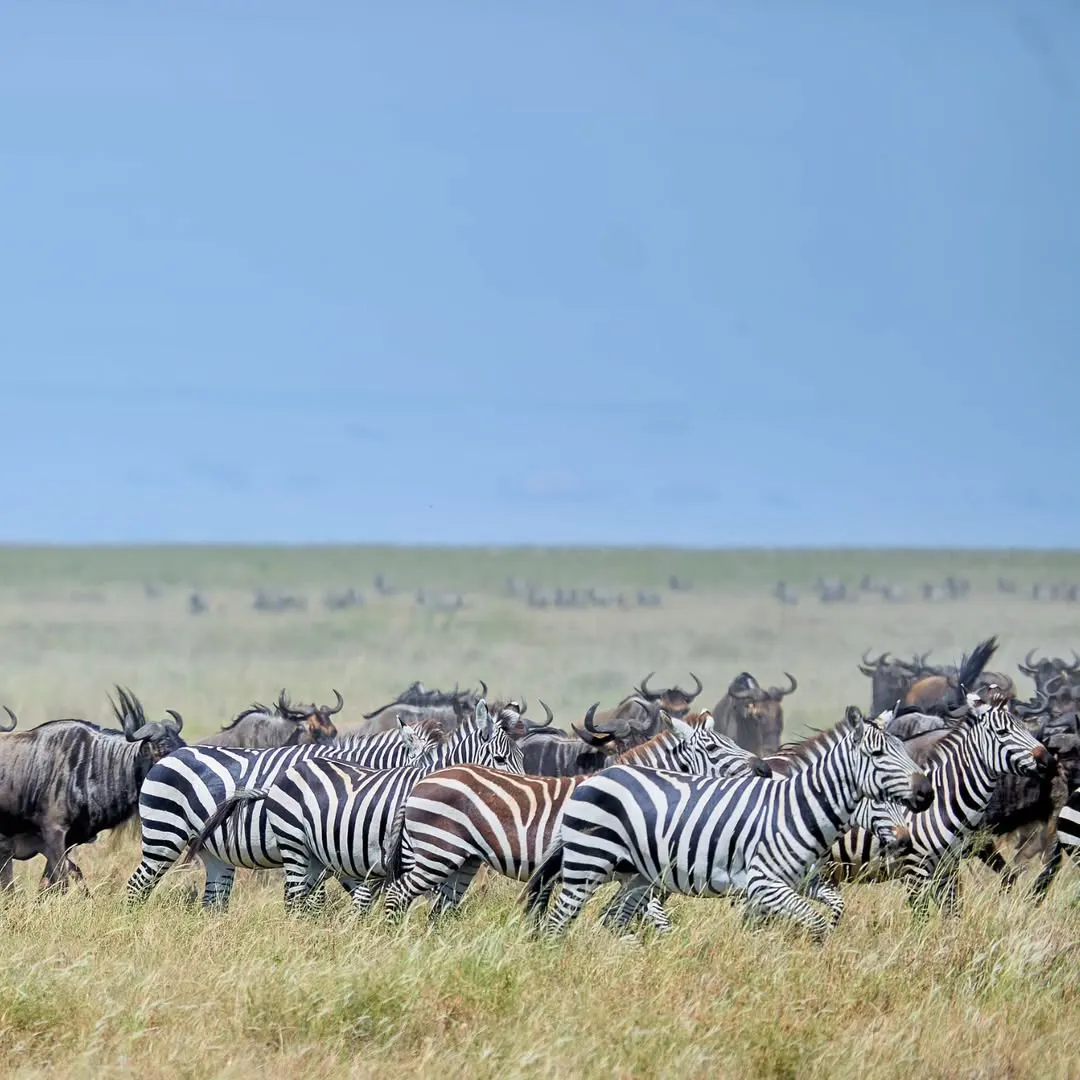
Around July some 1.3 million wildebeest move north from the Serengeti with zebra, gazelle, topi and eland, and return around October.
Free quote, no obligation. We reply within 24 hours.
The Masai Mara National Reserve is a 1,510 km² (580 sq mi) game reserve in Narok County, south-west Kenya, on the border with Tanzania's Serengeti National Park. It was established in 1961 and is managed by Narok County Government, with the Mara Conservancy running the western Mara Triangle.
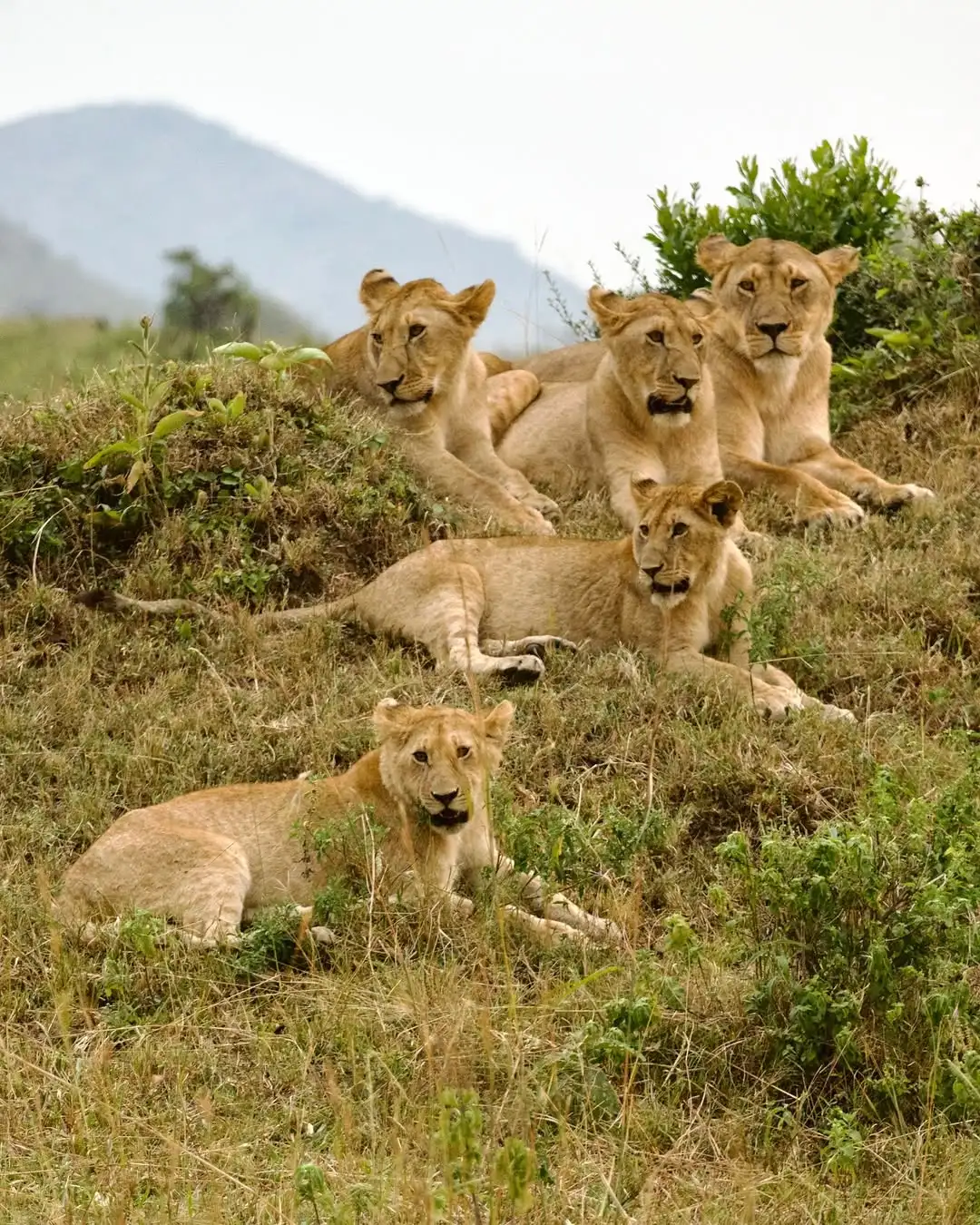
Travellers come for lion, leopard and cheetah on open grassland, for all of the Big Five, and for the wildebeest migration that arrives around July and stays until about October. The drive from Nairobi takes five to six hours and the flight about 45 minutes, so the Mara is the centre of most Kenya safaris, often paired with Lake Nakuru or Amboseli.
Our guides are adding their own photos of Masai Mara National Reserve. They appear here as soon as they are uploaded.
Around July some 1.3 million wildebeest move north from the Serengeti with zebra, gazelle, topi and eland, and return around October.
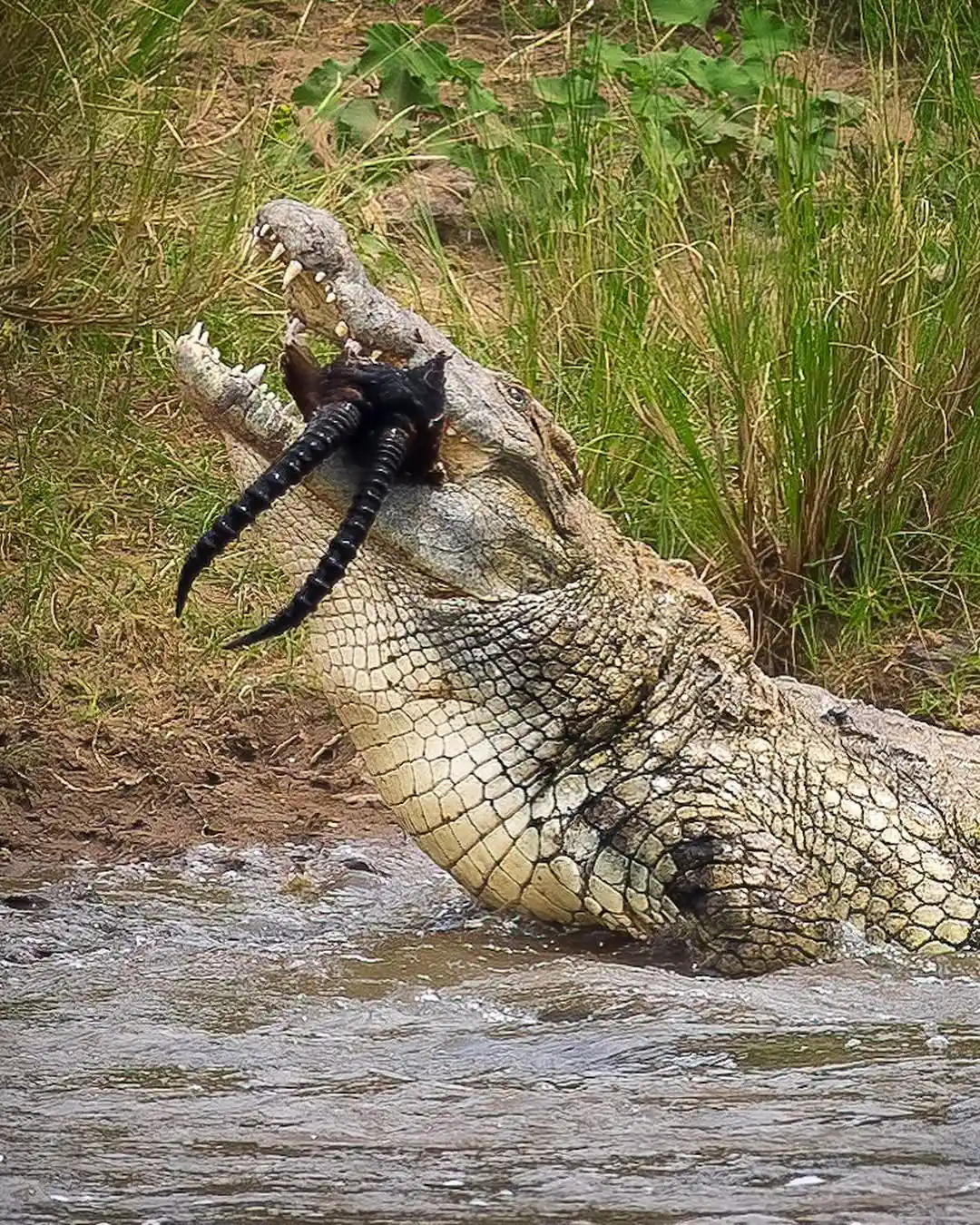
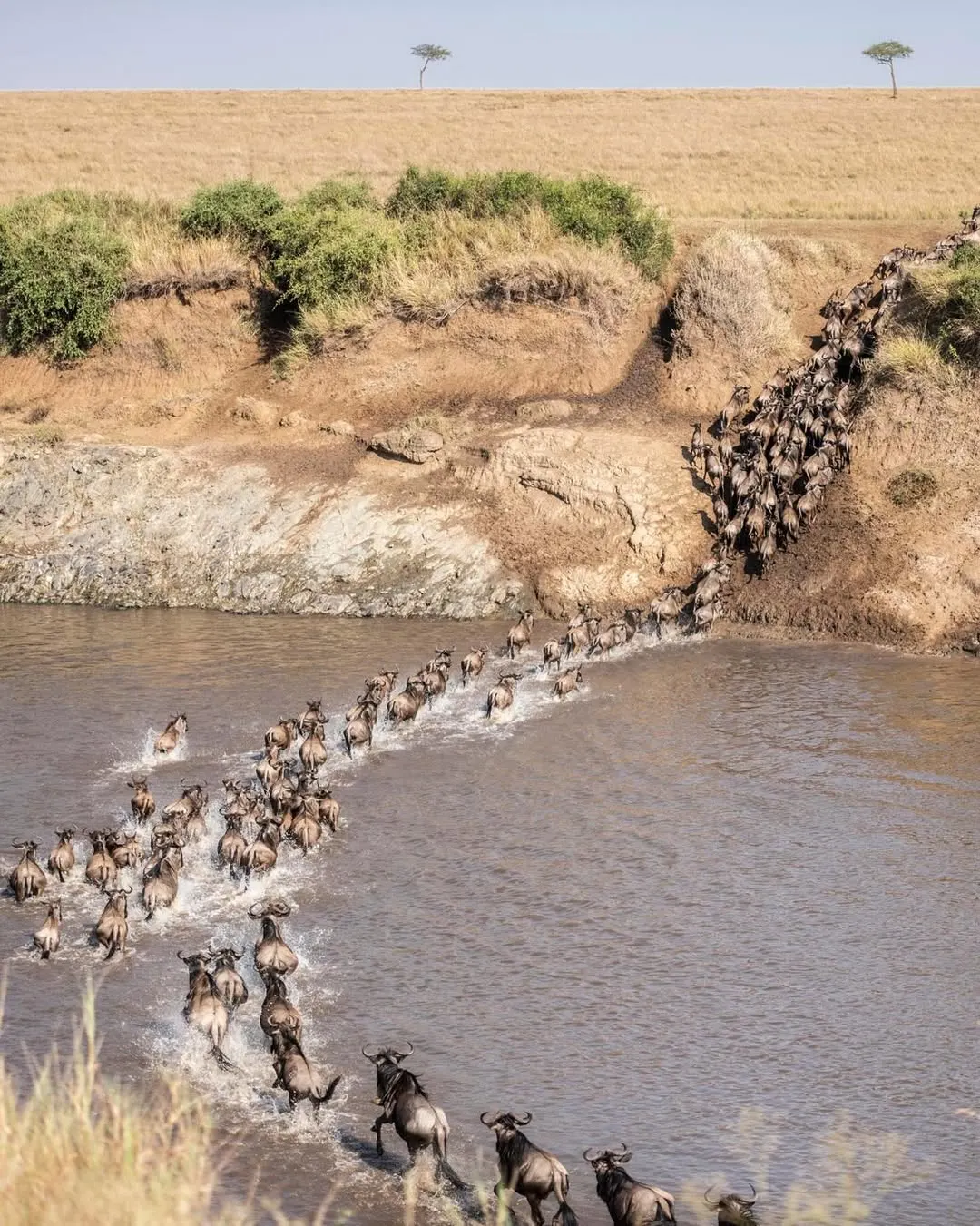
Herds cross the Mara River between the Serengeti and the Mara, facing strong currents, crocodiles and lions.
The 510 km² western third of the reserve, between the Mara River and the Oloololo Escarpment. It is less visited.
Also called the Siria Escarpment, it forms the western border and stands about 400 m above the Mara Triangle.
Two tributaries of the Mara River that drain the reserve. Trees and shrubs line their banks.
Parts of the reserve filmed for the BBC series Big Cat Diary, which followed its lions, leopards and cheetahs.
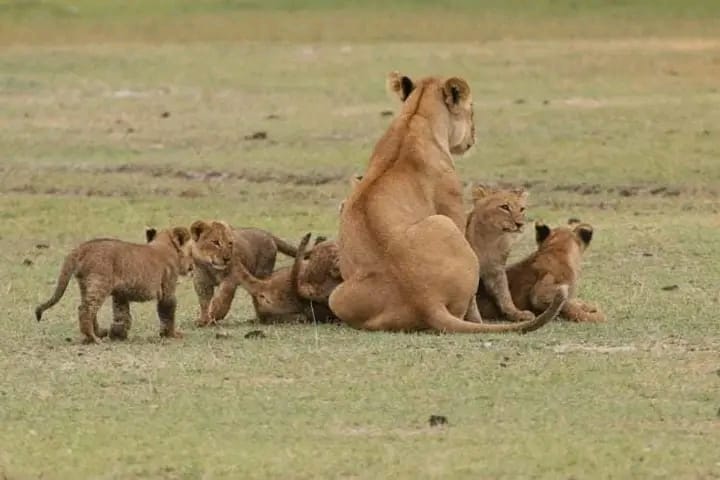
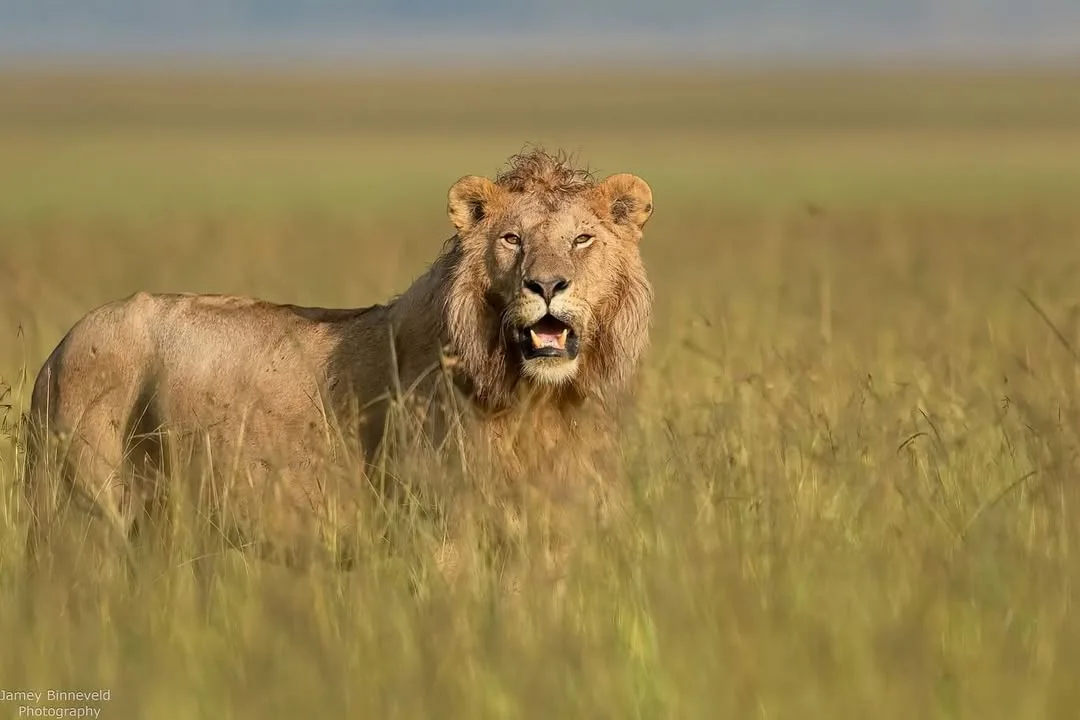
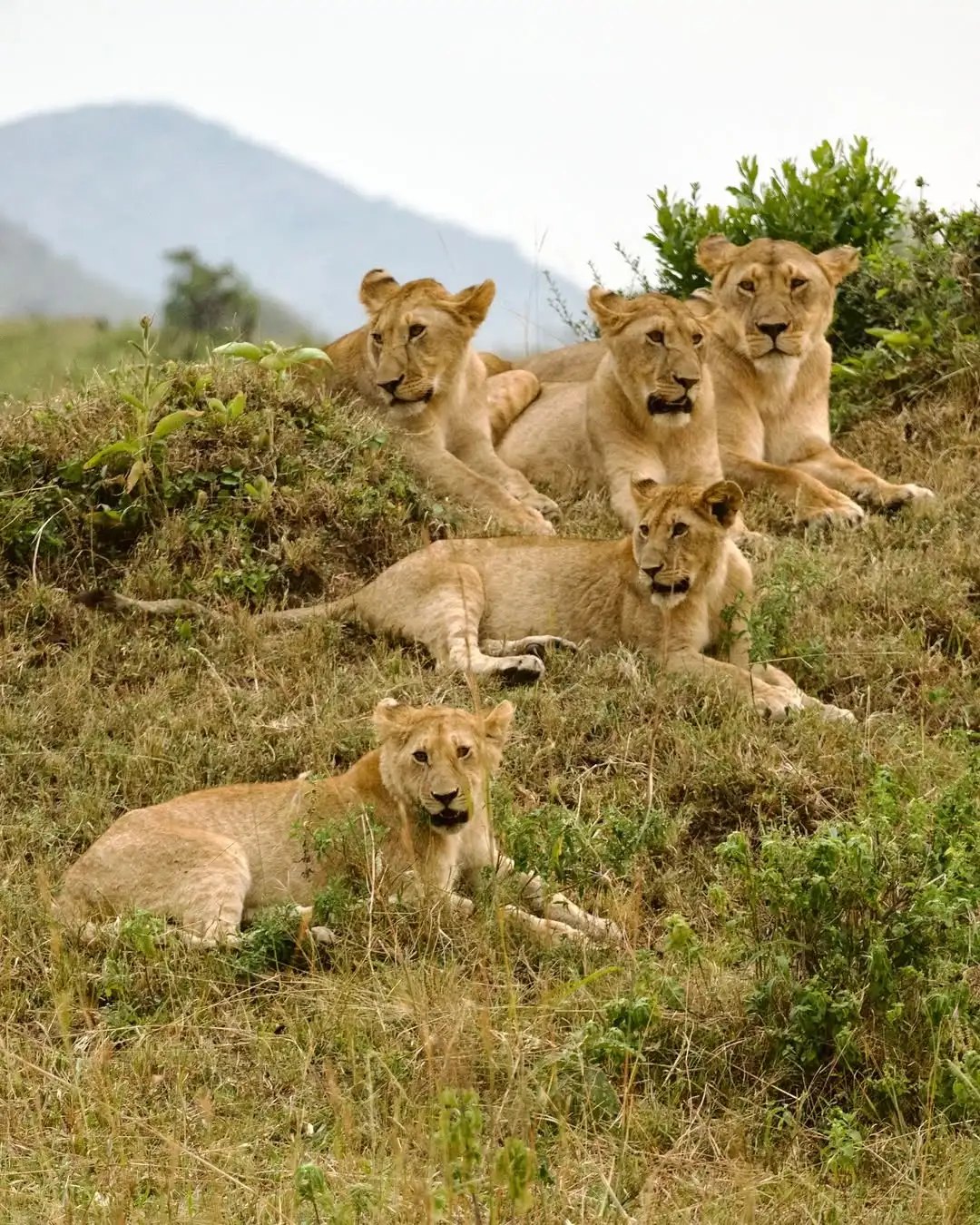
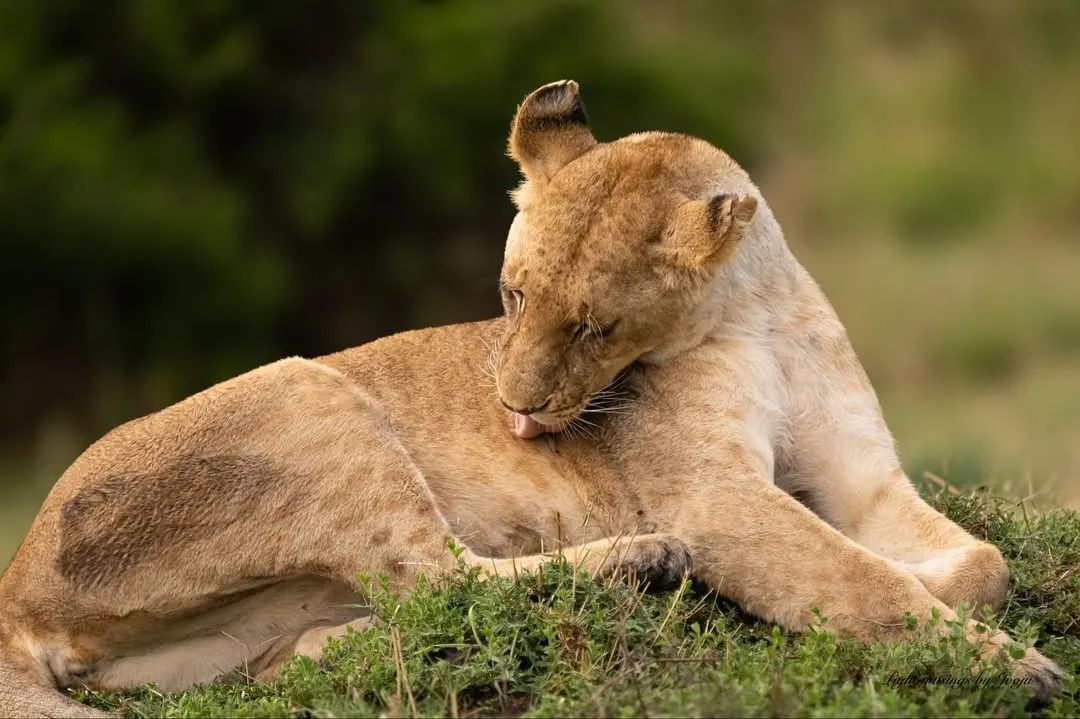
Lions are the dominant large carnivore and live here in large numbers, competing for food with spotted hyena.
Leopards live wherever there are trees to climb. Cheetahs hunt gazelle and wildebeest on the open savanna.
The Mara has an indigenous black rhino population. The Mara Conservancy reported a stable 25 to 30 animals in 2023.
Both live in the reserve all year. With lion, leopard and black rhino they complete the Big Five.
Blue wildebeest are the most numerous animals, joined by Grant's zebra, Thomson's gazelle, topi and eland.
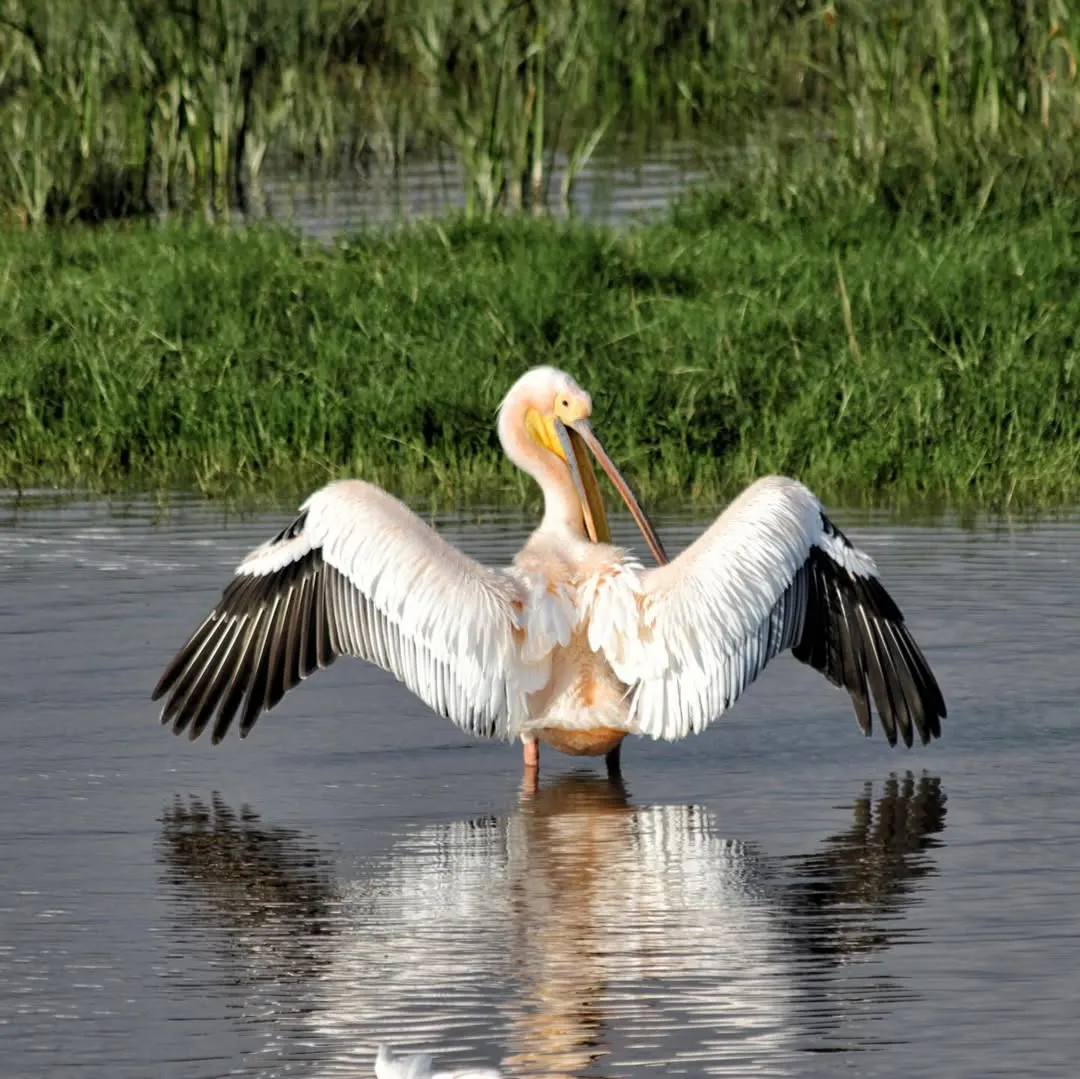
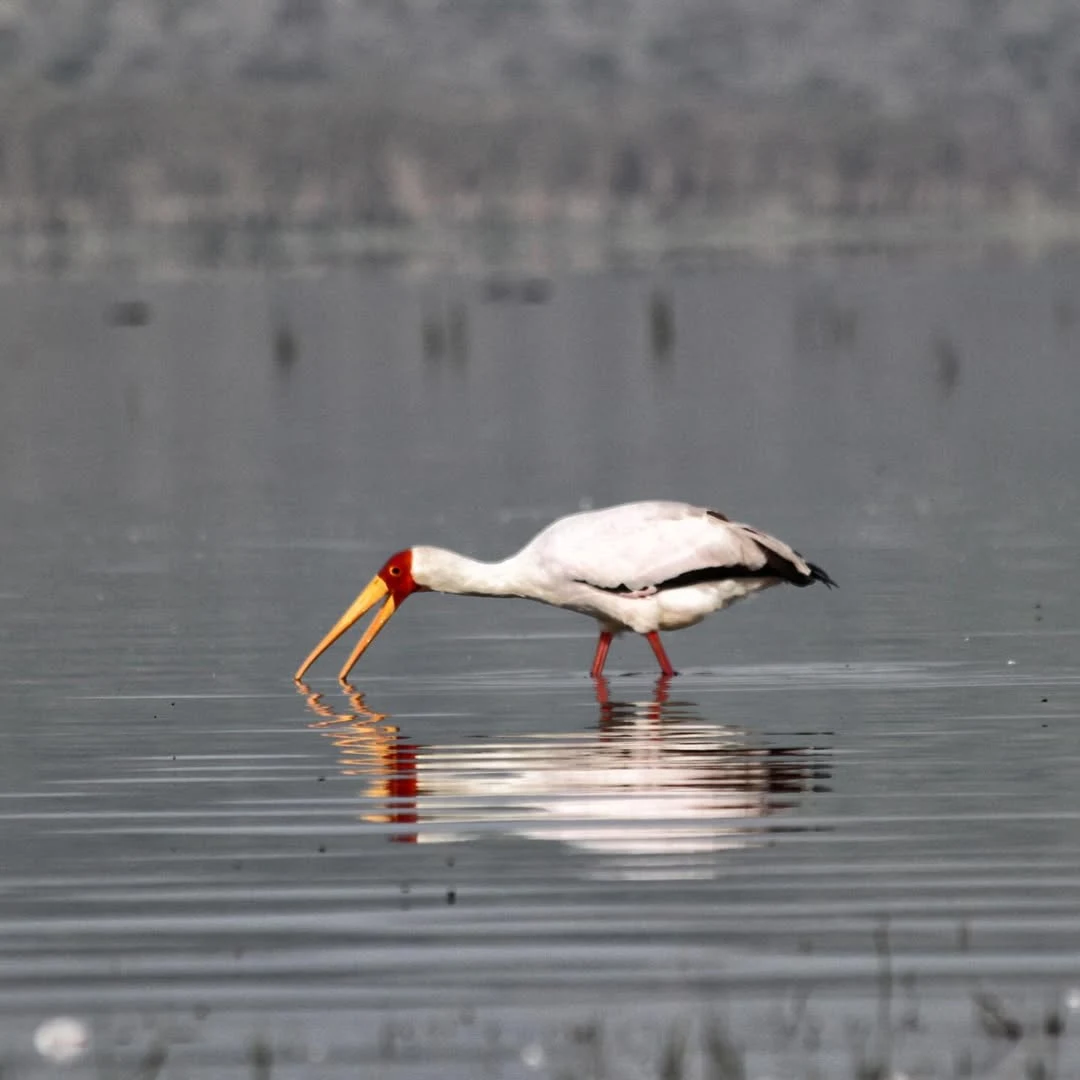
Almost 60 are raptors. The list includes vultures, secretary birds, crowned cranes and the lilac-breasted roller.
Most of the reserve is open grassland crossed by seasonal streams, with clumps of acacia in the south-east.
Trees and shrubs follow the Mara, Talek and Sand rivers and most drainage lines, and cover the hills.
Ground below the escarpment stays wet, so water is always available and wildlife is most concentrated there.
The reserve is the northern end of the Mara and Serengeti ecosystem and joins Serengeti National Park to the south.
The reserve lies between 1,500 and 2,180 m (4,920 and 7,150 ft), with temperatures from 12 to 30 °C (54 to 86 °F).
Rainfall rises from about 800 mm (31 in) a year in the east to 1,200 mm (47 in) in the west.
July to October for the migration and river crossings, January to March for quieter game drives
Months June to October
What to expect Dry months. The wildebeest herds arrive around July and stay until about October.
Best for River crossings and big cats
Crowds and prices Busiest months
Months January to March
What to expect Drier weeks between the rainy seasons, with green grass on the plains.
Best for Big cats and quieter game drives
Crowds and prices Quieter
Months April to May
What to expect Rain for six to eight weeks. Tracks are muddy and some camps close.
Best for Green scenery and birdwatching
Crowds and prices Fewer visitors
Months November to December
What to expect About four weeks of rain, often as afternoon showers.
Best for Resident wildlife and migrant birds
Crowds and prices Fewer visitors
38 of our trips include Masai Mara National Reserve. A few to compare:
Each price in the list below is per person in US dollars, with our own vehicle, our own guide and park fees included. For more choice, see the Masai Mara safari packages and the Kenya safari packages, or send us your dates and we will plan a private trip around them.
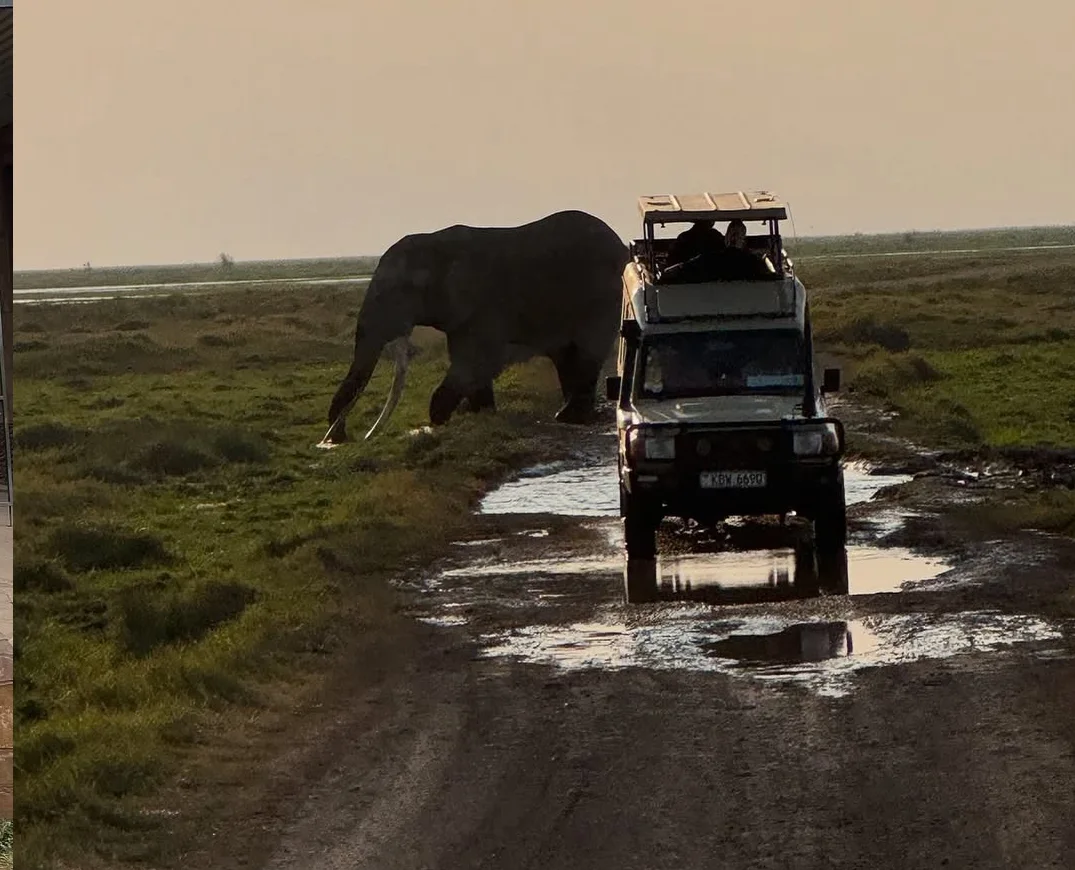
Morning and afternoon drives in a 4x4 safari vehicle with our own guide.
From July to October we wait near crossing points on the Mara River for the herds to go over.
A sunrise flight over the Mara plains, followed by breakfast in the bush.
Walking safaris are not permitted inside the reserve. They take place in the conservancies next to it, such as Naboisho.
Night drives also run only in the neighbouring conservancies, which limit the number of vehicles at a sighting.
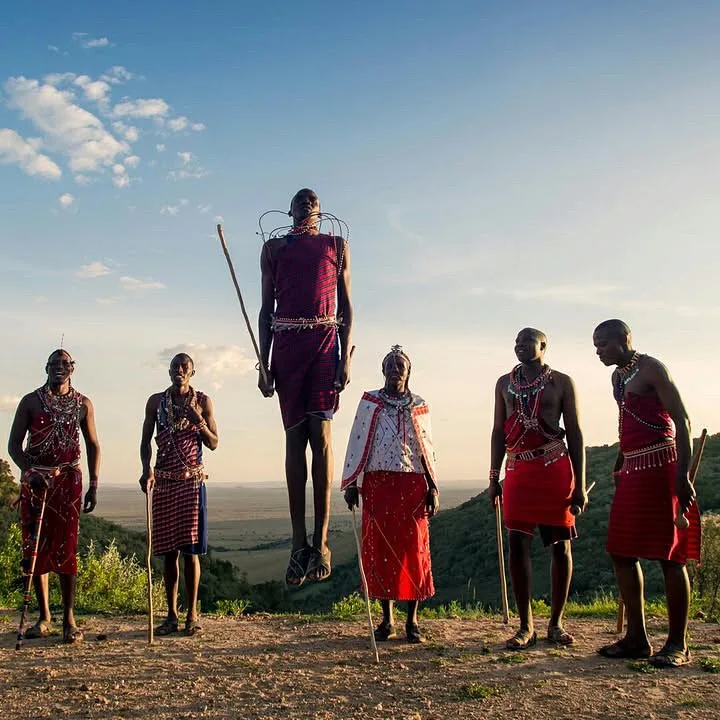
Meet a Maasai community near the reserve and see traditional dances and beadwork.
How Road
Time 5 to 6 hours
Distance 224 km
Good to know Via Narok to the eastern border of the reserve, with a stop at the Rift Valley viewpoint
How Air
Time About 45 minutes
Good to know Daily scheduled flights to Keekorok, Mara Serena and other Mara airstrips
How Road
Good to know The last large town on the route. The road is tarmac from Narok to Sekenani Gate
How Air
Time Scheduled flight
Good to know Daily scheduled flights link the Mara airstrips with the Kenyan coast
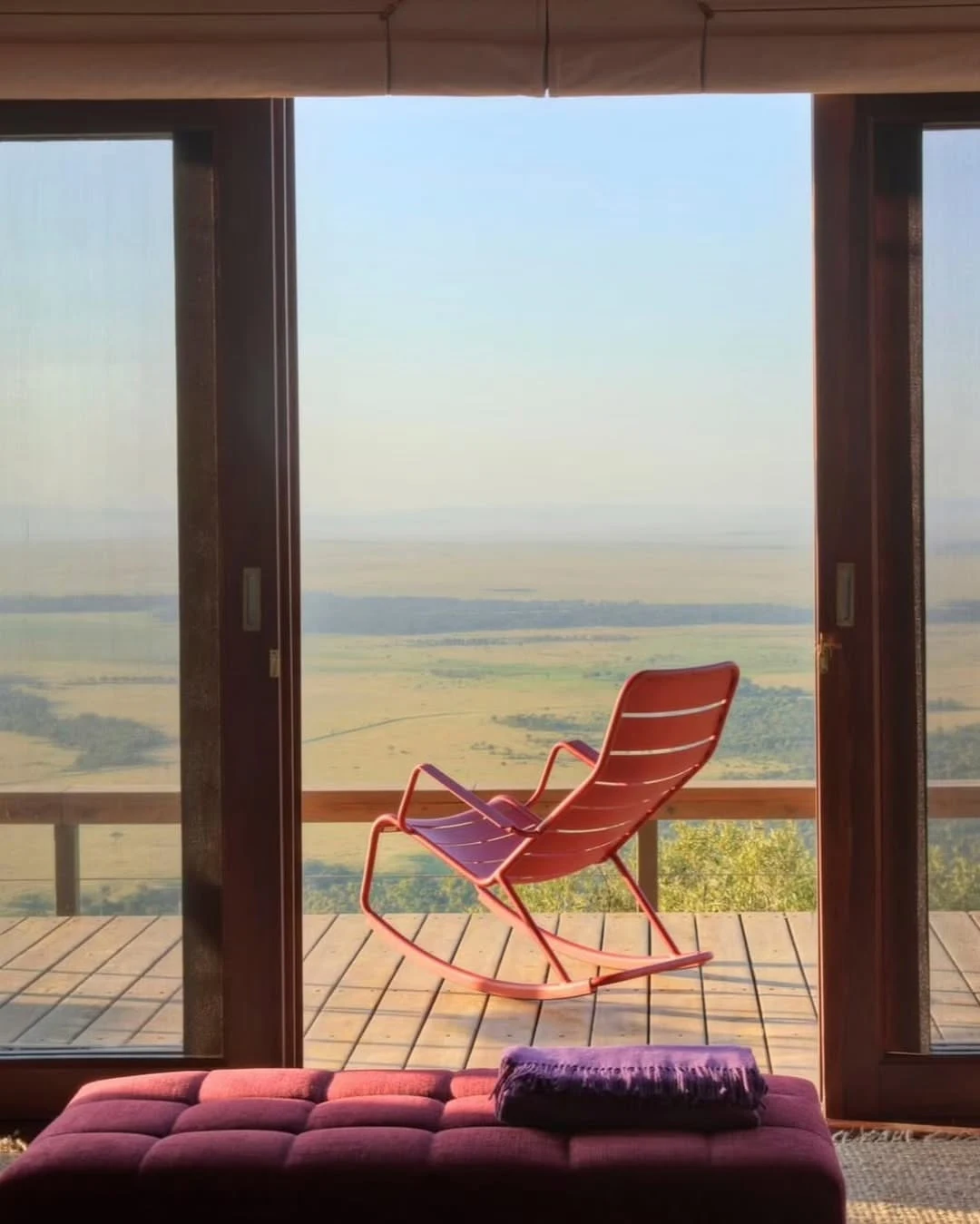
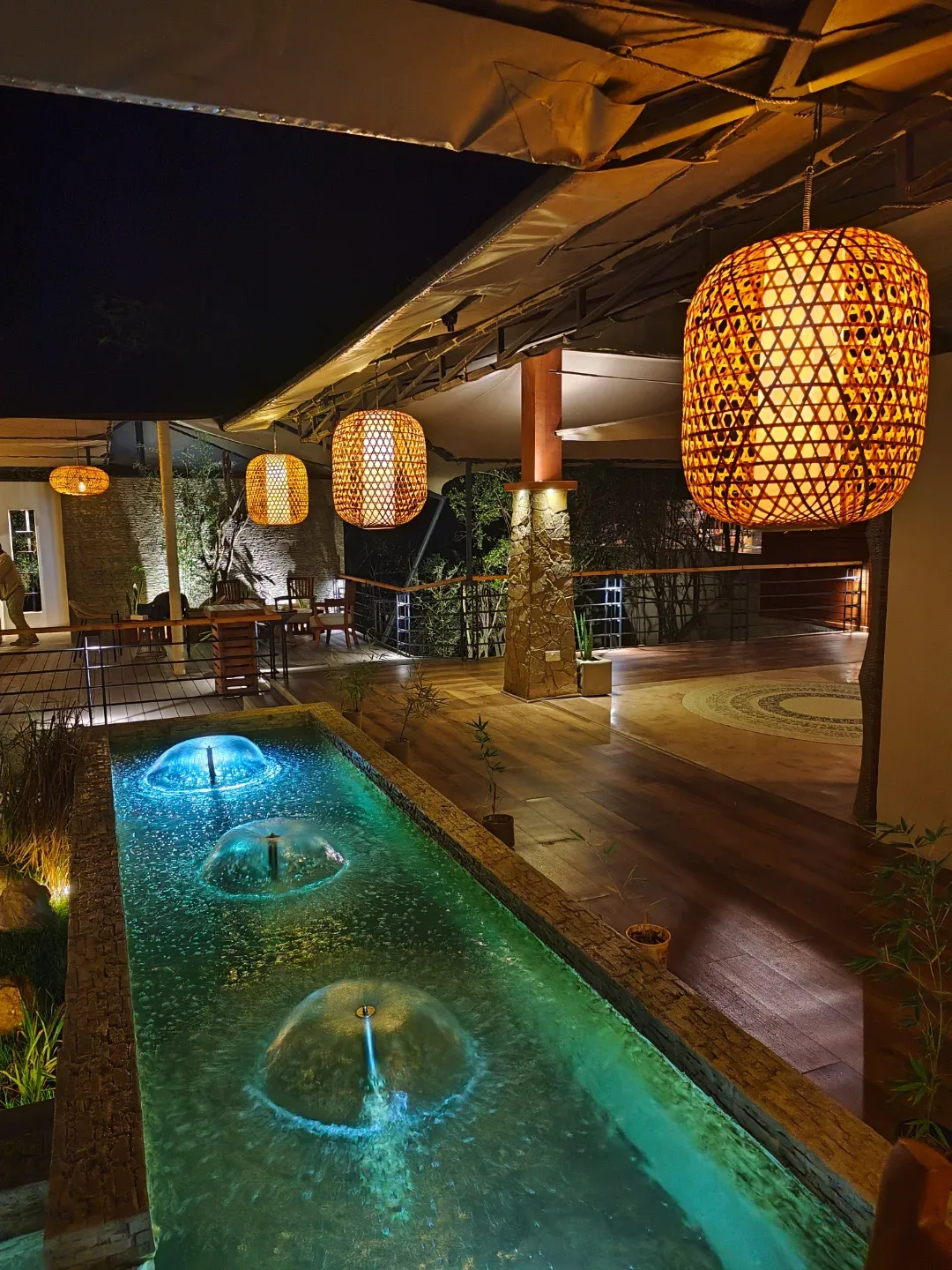
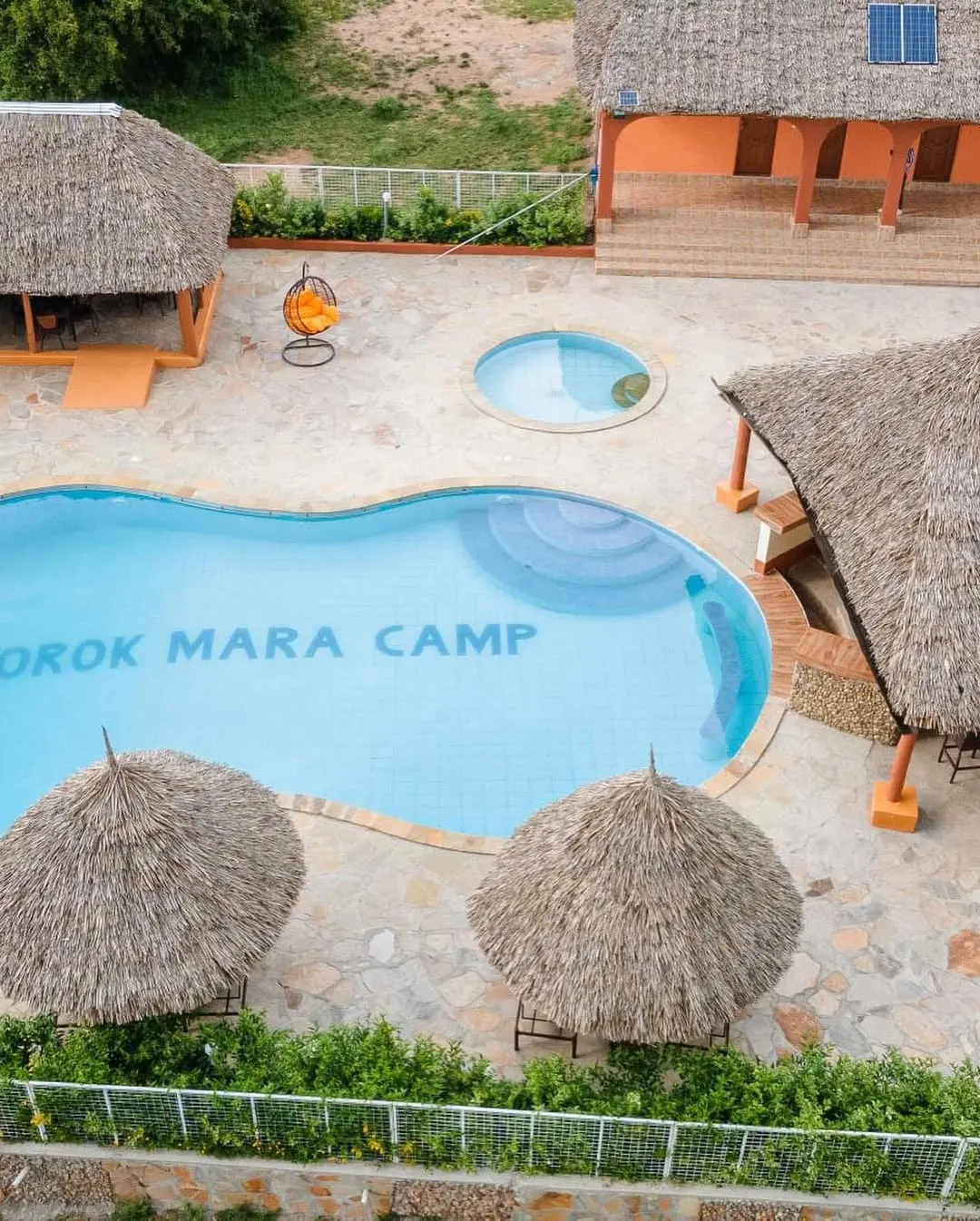
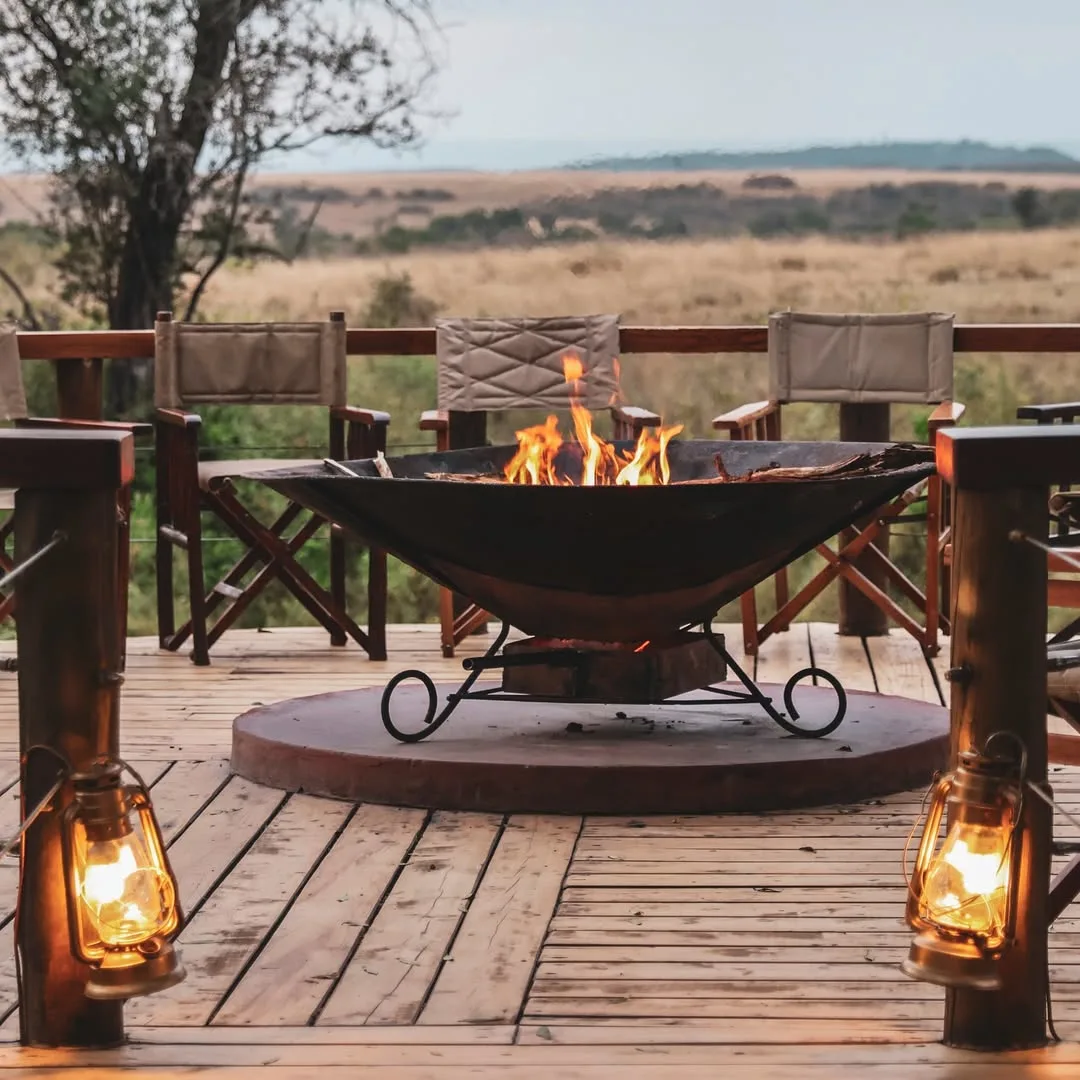
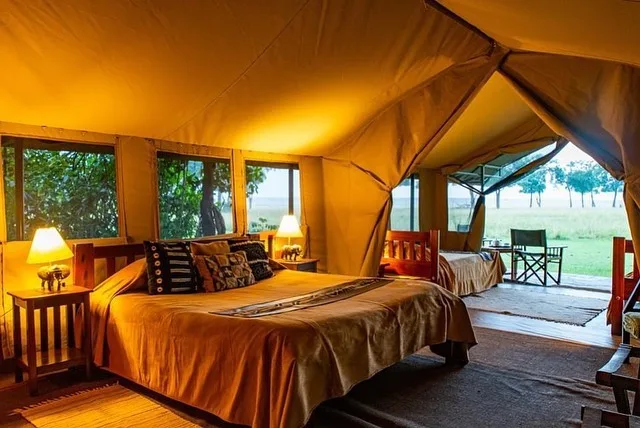
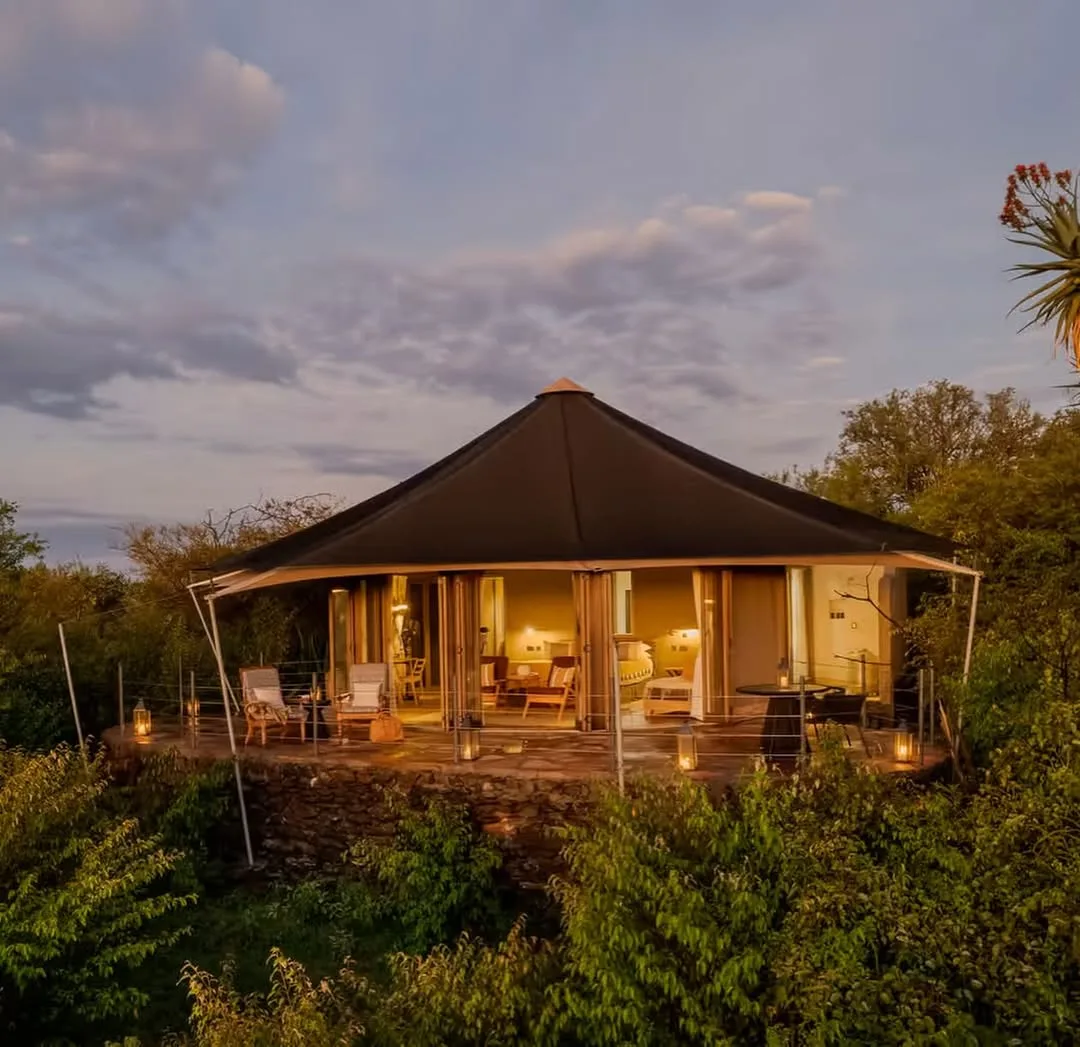
We book the lodge or camp that fits your budget when we plan your trip to Masai Mara National Reserve.
The Masai Mara National Reserve spans over 1,510 km² in Narok County and is one of Africa’s premier wildlife destinations. Its vast savannahs, riverine forests, and rolling hills host a remarkable diversity of wildlife.
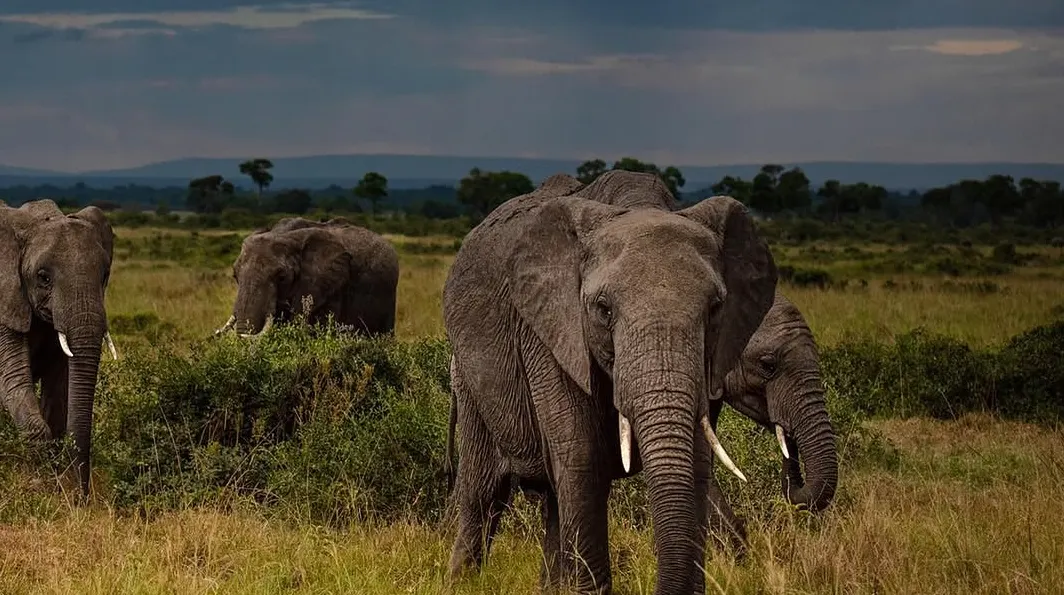
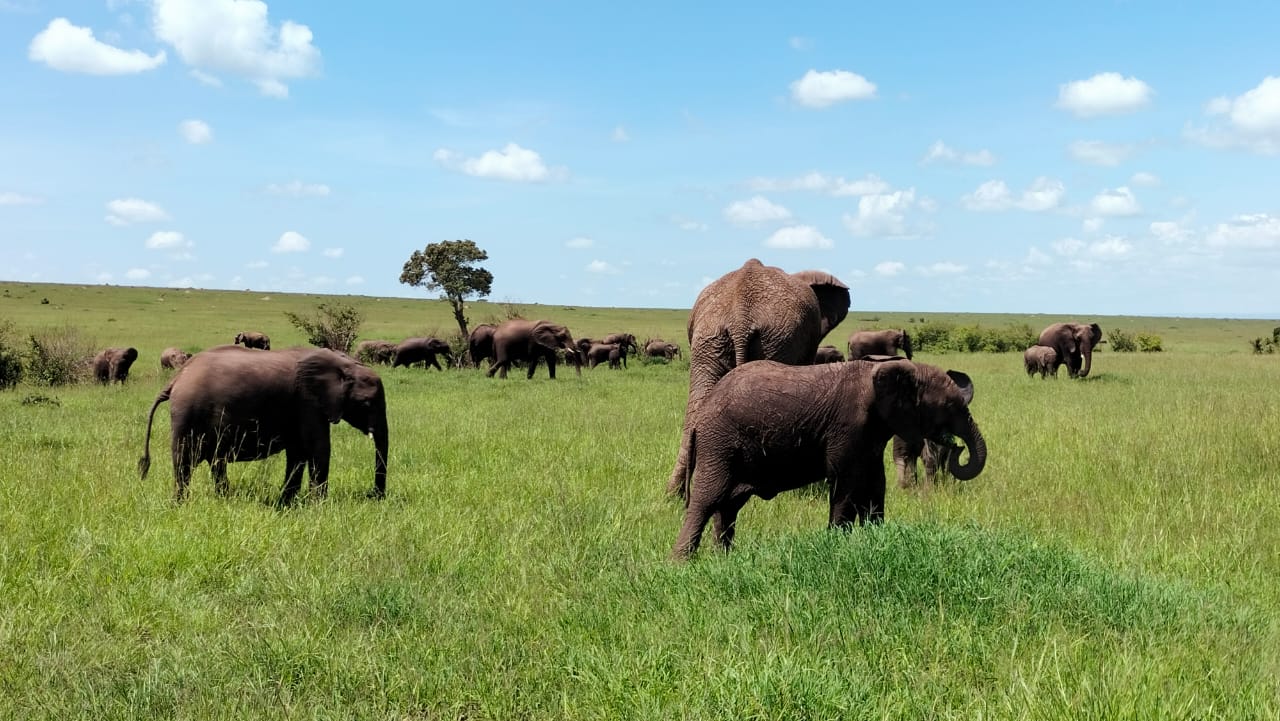
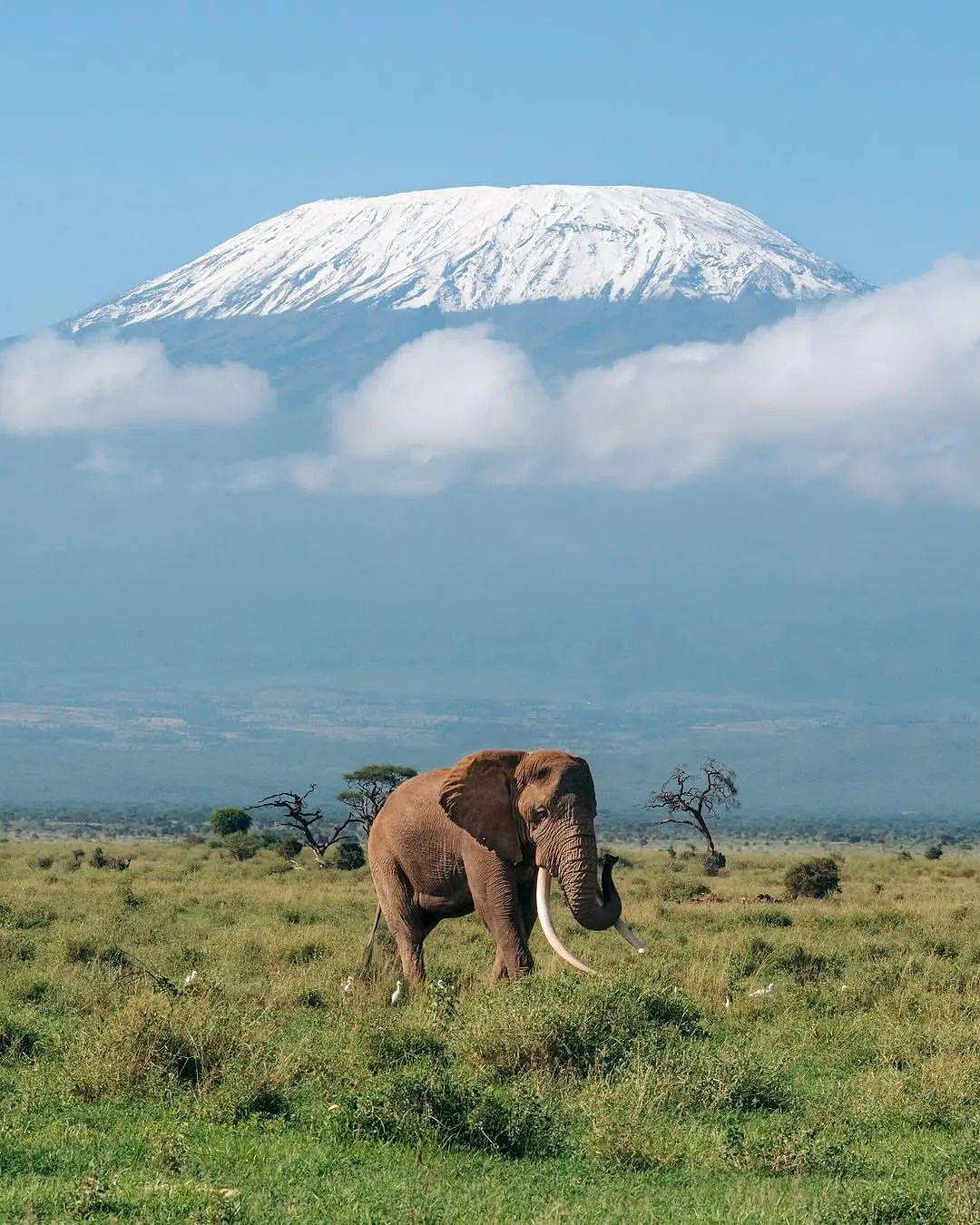
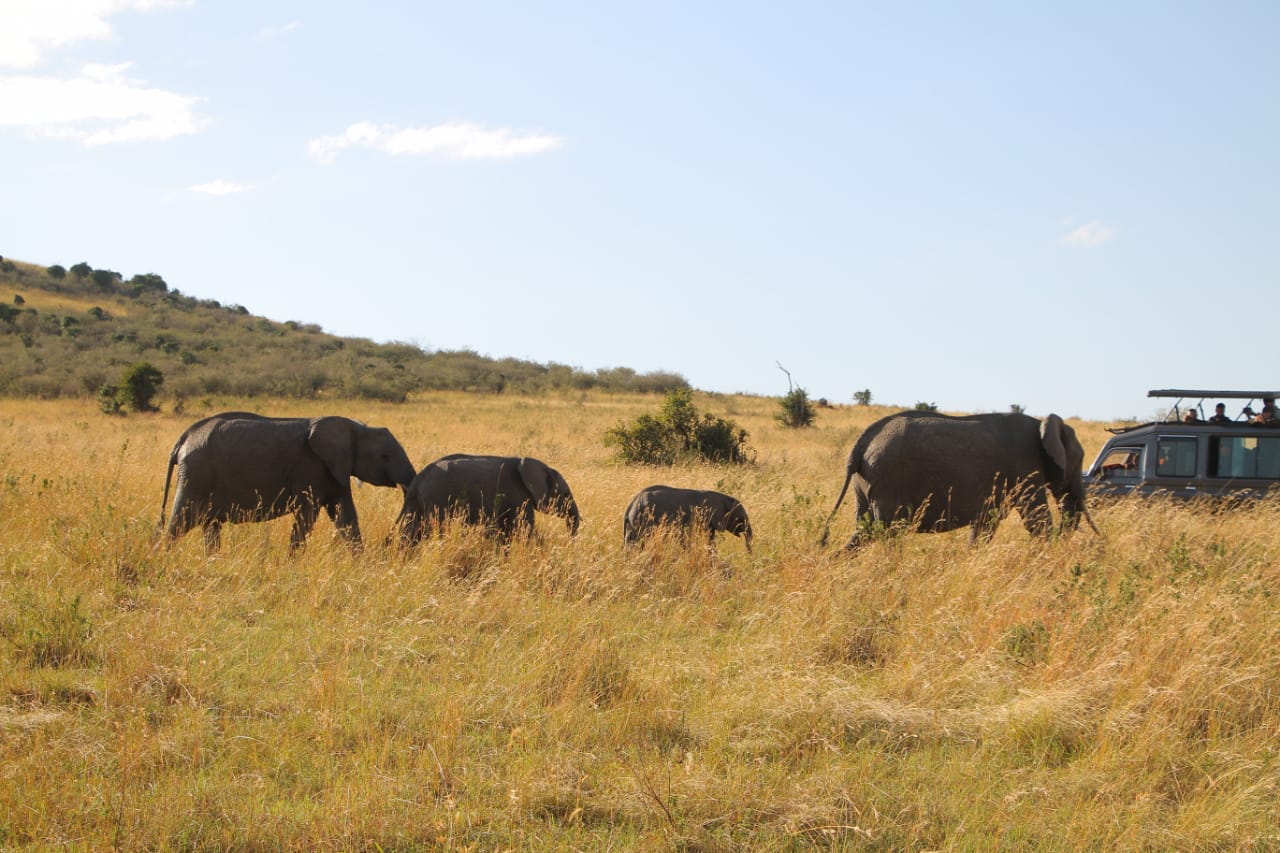
The reserve is known for its Big Five: lions, leopards, elephants, buffalo, and black rhinos. Visitors can also encounter cheetahs hunting across the open plains, spotted hyenas patrolling the Mara River, and large herds of zebras and wildebeests grazing in the golden grasslands.
Key locations within the Mara include:
Mara River: Famous for dramatic river crossings during the Great Wildebeest Migration, where crocodiles lie in wait.
Talek River: A prime location to see elephants and hippos along the riverbanks, with excellent birdwatching for kingfishers and fish eagles.
Mara Triangle: The western section of the reserve, offering less-crowded game drives and sightings of lions in dense bush areas.
Naboisho Conservancy: A private conservancy adjacent to the Mara, known for walking safaris and up-close predator encounters.
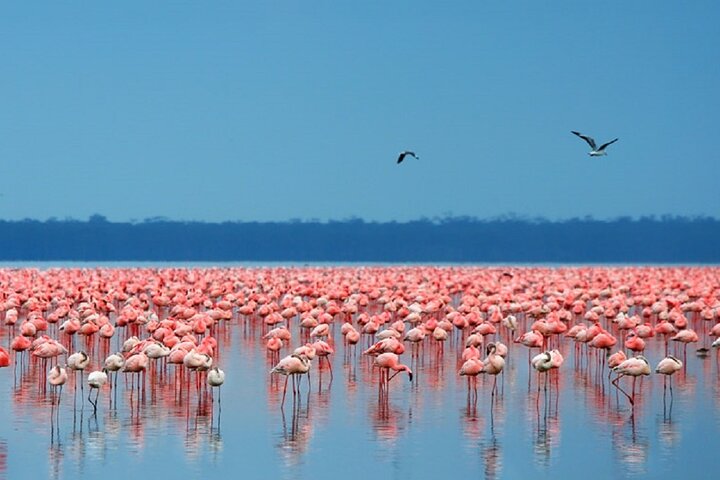
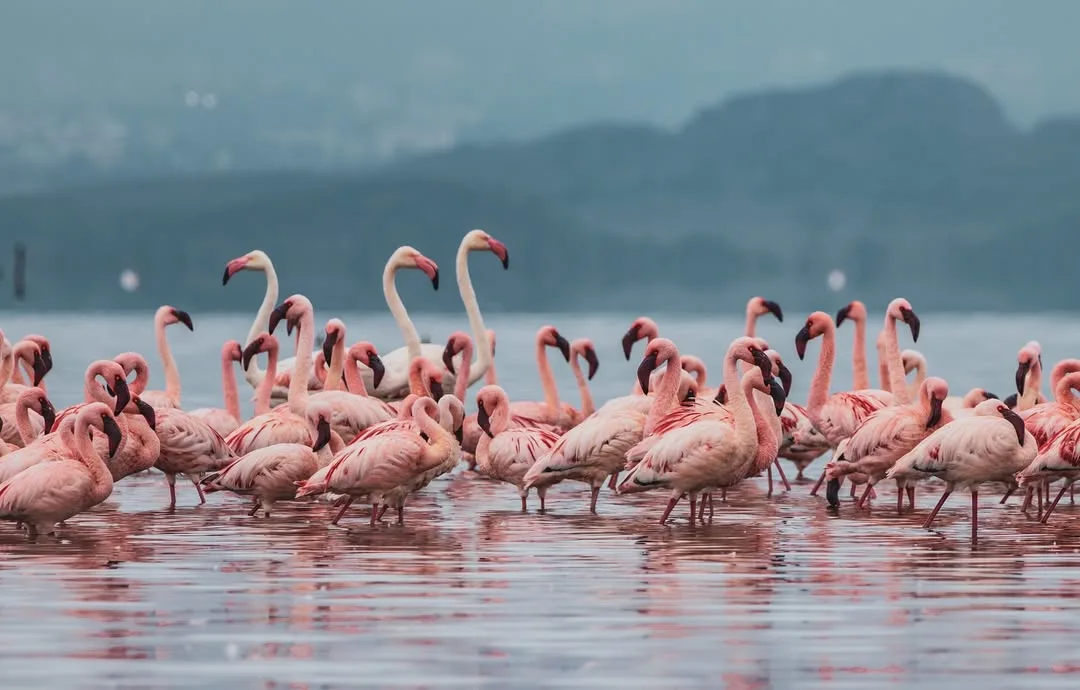
The Masai Mara is home to over 450 recorded bird species, including African fish eagles, lilac-breasted rollers, kori bustards, and flamingos near seasonal wetlands. The annual Great Wildebeest Migration (July, October) sees over 1.5 million wildebeests, zebras, and gazelles move between the Mara and the Serengeti, creating some of the most dramatic wildlife scenes in the world.
Visitors can experience the Mara through:
Morning and afternoon game drives in 4x4 safari vehicles
Guided walking safaris in conservancies such as Naboisho
Hot air balloon safaris over the Mara plains, followed by a champagne breakfast
Cultural visits to Maasai villages for traditional dances and beadwork demonstrations
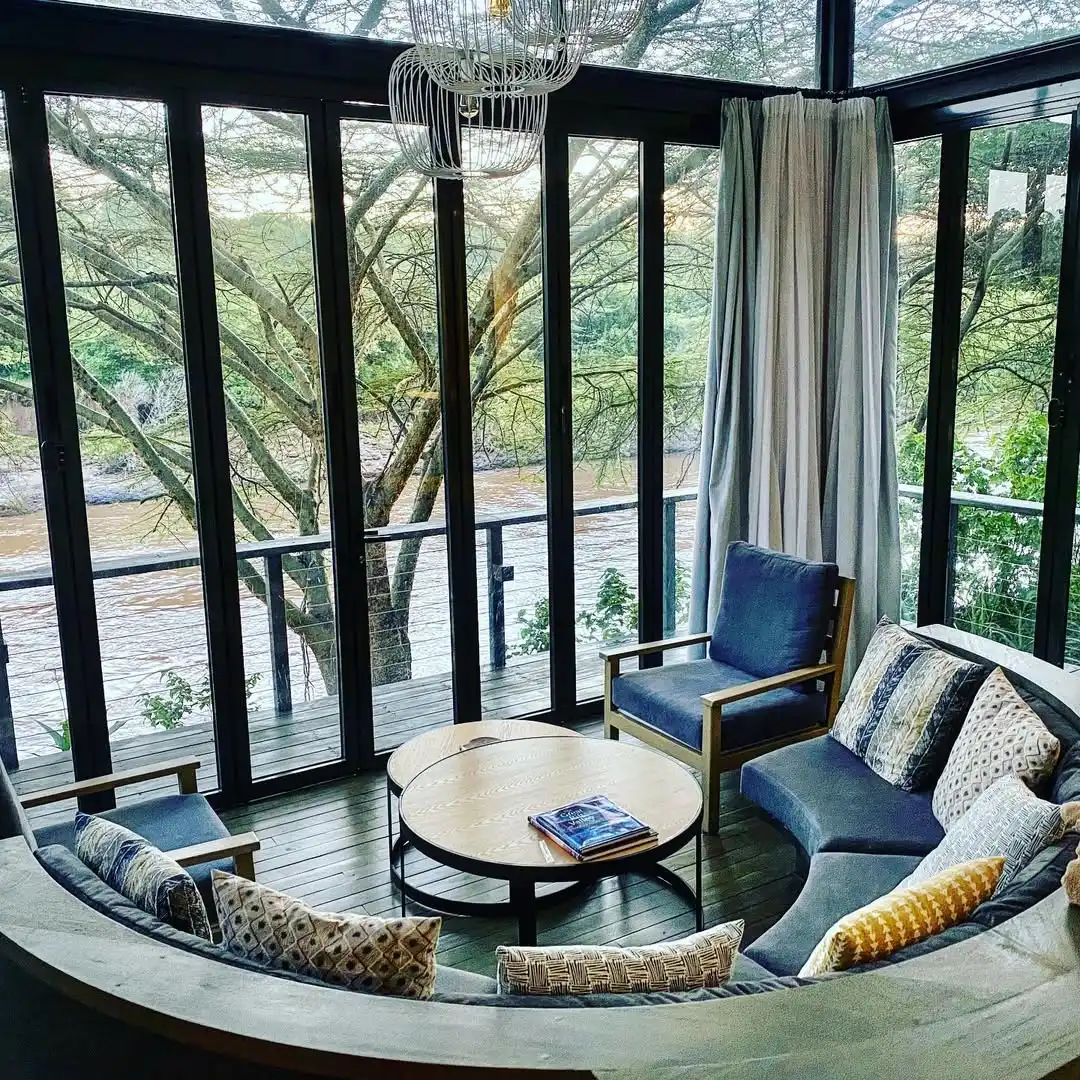
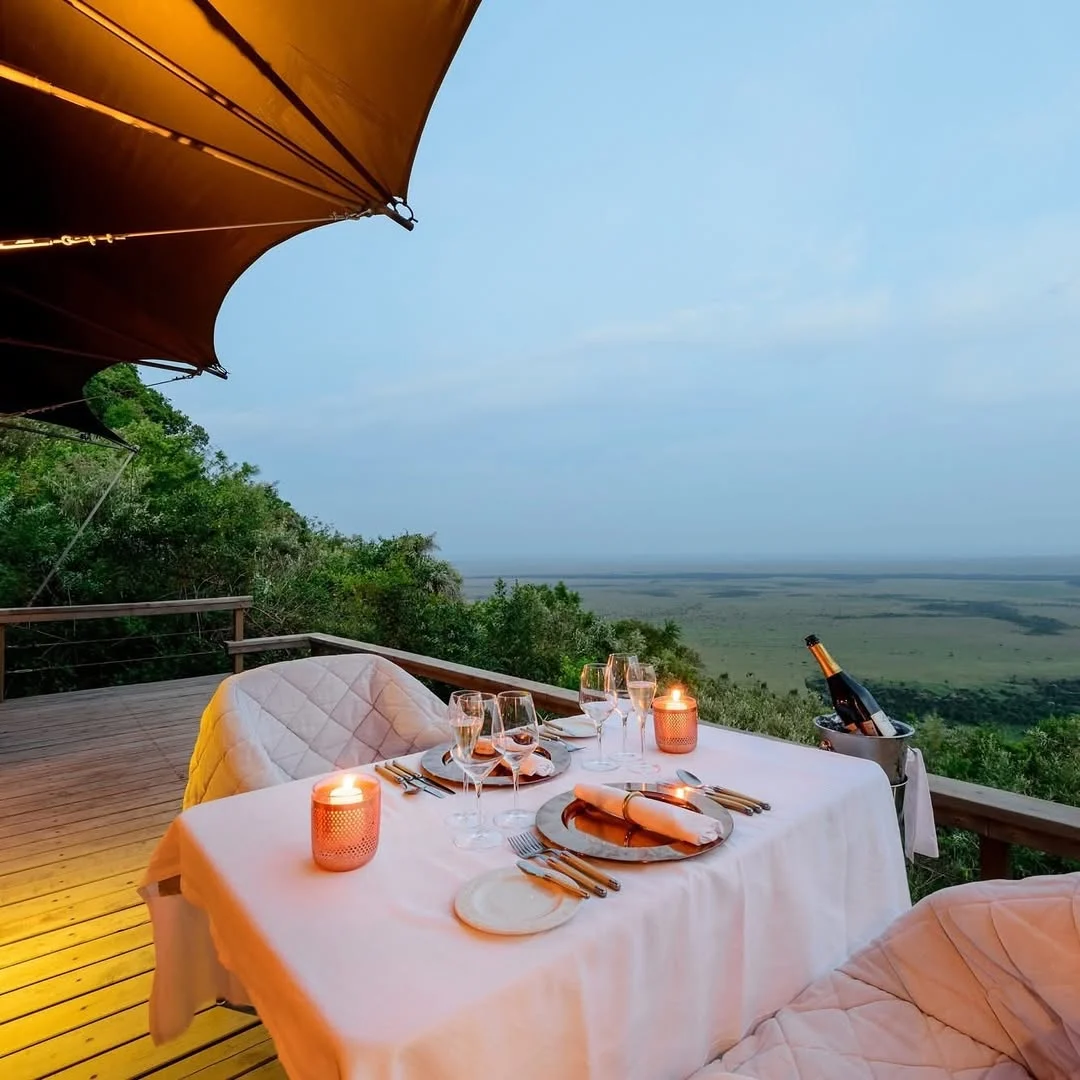
The reserve offers accommodation options ranging from luxury lodges like Sarova Mara Game Camp and Mara Serena Safari Lodge to budget-friendly camps such as Lenchada Tourist Camp. Strategic lodge placement near rivers, waterholes, and plains ensures maximum wildlife viewing opportunities.
The Masai Mara is accessible via road from Nairobi (approximately 5 to 6 hours) or via scheduled flights to Mara airstrips such as Keekorok, Mara Serena, and Ol Kiombo. This accessibility, combined with first-rate wildlife and scenery, makes the Masai Mara a popular destination for safaris in Kenya.
Lions, leopards, cheetahs, elephants and buffalo live in the Mara all year, so a safari works in any month.
The main reserve has the river crossings and the most famous sightings, but vehicles gather at big sightings in peak months. The private conservancies on its northern edge, such as Naboisho, Olare Motorogi and Mara North, limit vehicle numbers and allow night drives and guided walks. Many guests split their nights between the two.
Three days gives two full days of game drives after the drive in. Four or five days lets you cover the Mara Triangle and the eastern plains, wait at a crossing point and add a balloon flight at sunrise. Compare the 3 day, 4 day and 5 day Masai Mara safaris.
About 270 km, which takes five to six hours by road with a stop at the Rift Valley viewpoint. Scheduled flights from Wilson Airport take about 45 minutes.
August and September give the best chance of river crossings. January and February are quieter, with good game viewing and lower prices.
Lion, leopard, elephant and buffalo are seen often. Black rhino are few and shy, so add Lake Nakuru or Ol Pejeta to be sure of rhino.
The Masai Mara National Reserve is in Narok County in south-west Kenya, on the border with Tanzania. It joins Serengeti National Park to the south, and the Oloololo Escarpment forms its western edge. Narok is the last large town on the road from Nairobi.
The reserve covers 1,510 km² (580 sq mi). The Mara Triangle in the west makes up 510 km² of that and is managed by the Mara Conservancy, and Narok County Government manages the rest. Maasai group ranches and wildlife conservancies surround the reserve on the Kenyan side.
The wildebeest usually arrive from the Serengeti around July and return south around October, although the timing changes each year with the rains. About 1.3 million blue wildebeest take part, along with Grant's zebra, Thomson's gazelle, topi and eland.
Lion, leopard, cheetah, elephant, buffalo and spotted hyena live in the reserve all year, along with a small population of black rhino. Blue wildebeest, zebra, Thomson's gazelle, topi and eland graze the plains, and crocodiles live in the Mara River. More than 500 bird species have been recorded.
Not inside the national reserve, where walking safaris and night drives are not permitted. These activities take place in the Maasai Mara conservancies next to the reserve, such as Mara Naboisho, Mara North and Olare Motorogi. The conservancies also limit the number of vehicles at each sighting.
Temperatures range from about 12 to 30 °C (54 to 86 °F), because the reserve lies between 1,500 and 2,180 m (4,920 and 7,150 ft). The long rains fall for six to eight weeks in April and May, and the short rains for about four weeks in November and December. Bring a warm layer for early game drives.
Three recent reviews from SafariBookings. The score covers all 19.
Read SafariBookings Reviews5/5
An unforgettable safari experience in Kenya!
I had an amazing experience with Sun Summit & Safaris! I booked a 5-day safari visiting the Masai Mara and Lake Nakuru, and it was definitely one of the highlights of my travels. The itinerary was well planned and offere...
Yamila · United Kingdom · Oct 25, 2026
5/5
Incredible 9-Day Kenya Safari with Sun Summit & Safaris
We just returned from an unforgettable 10-day safari through Kenya with Sun Summit & Safaris, and we can't recommend them highly enough. From our very first exchange, Diana was outstanding to work with. She was incredibl...
Vishak Seshadri · United States · Aug 31, 2026
5/5
Safari Bookings provided a truly exceptional white-glove experience for my family. From our initial conversation, they provided expert guidance that perfectly matched our budget. Their custom recommendations for our enti...
Francis Kayiwa · United States · Apr 7, 2026
Tell us your dates and group size. We reply within 24 hours with a priced plan in US dollars.