Great Migration
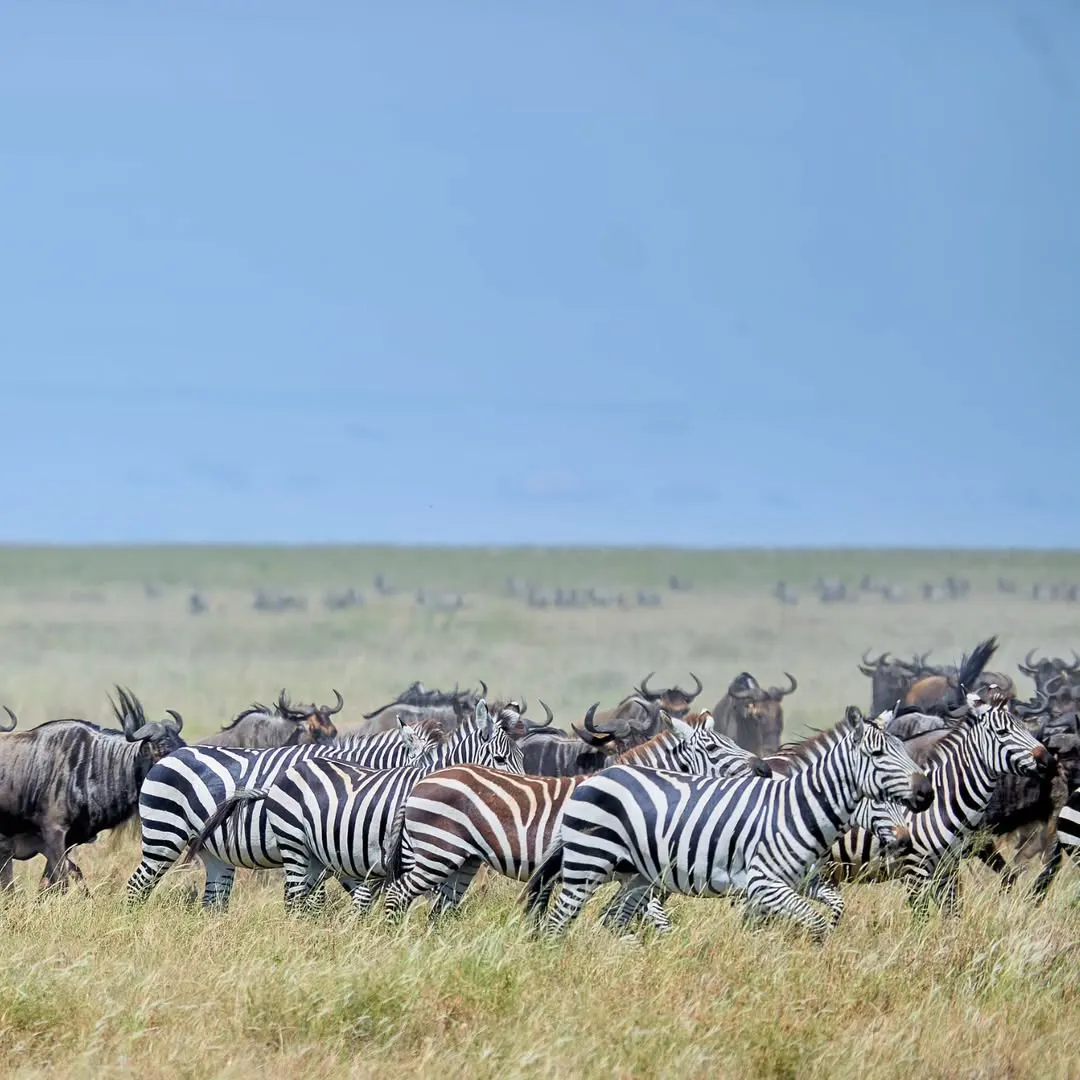
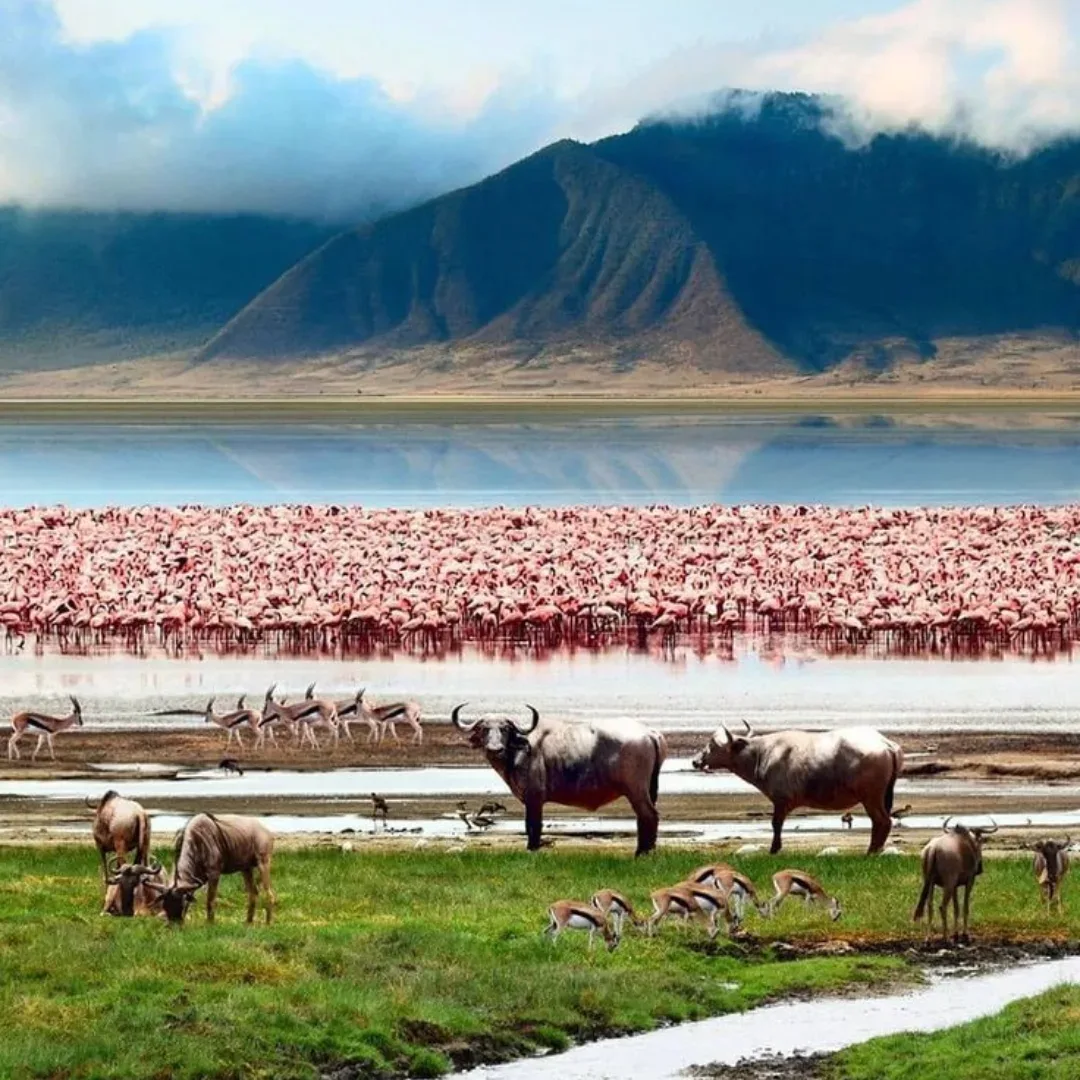
Over 1.5 million western white-bearded wildebeest move through the park with zebra and Thomsons gazelle.
Free quote, no obligation. We reply within 24 hours.
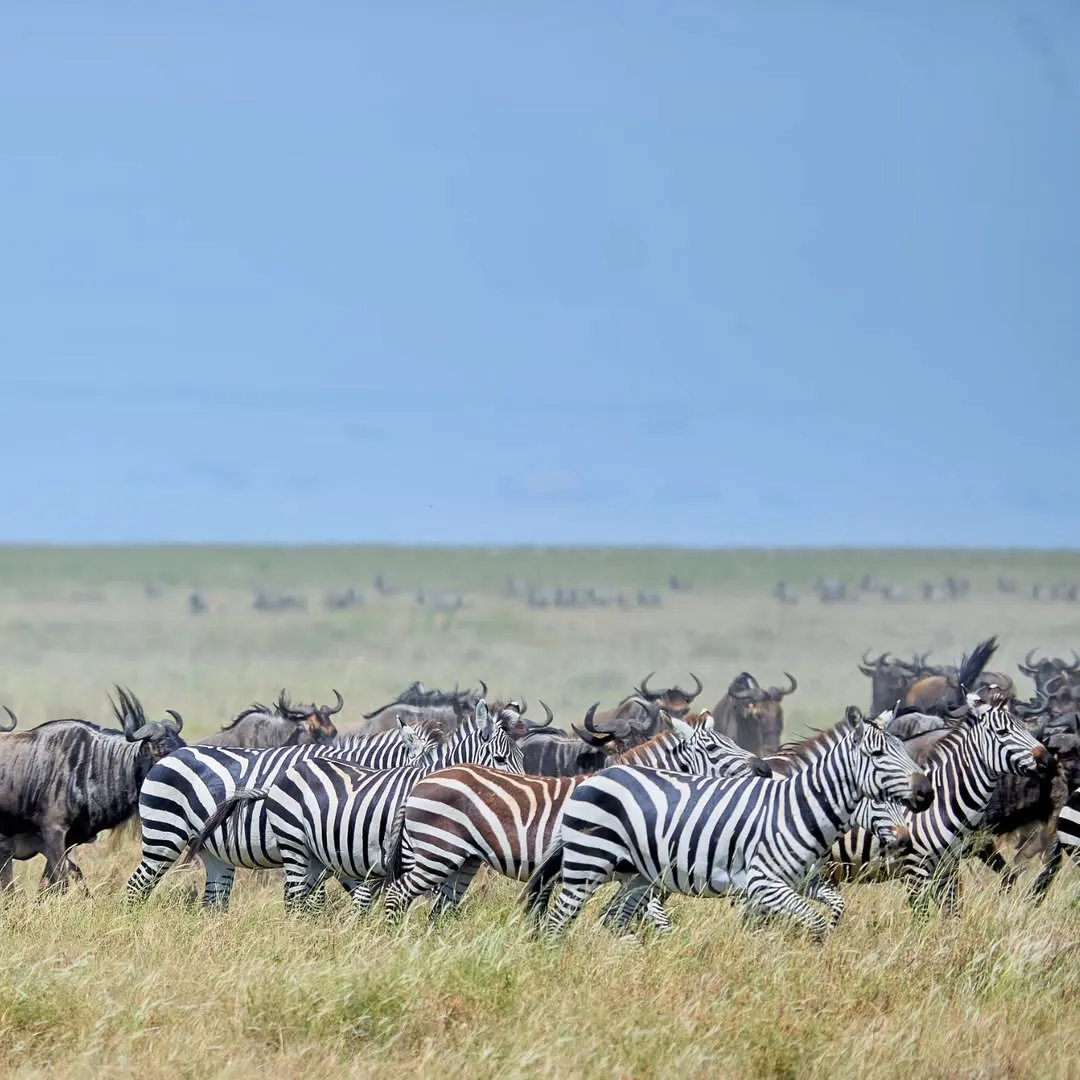
Serengeti National Park covers 14,763 km2 (5,700 sq mi) of grassland, savanna and woodland in northern Tanzania. It was established in 1940, is managed by the Tanzania National Parks Authority, and has been a UNESCO World Heritage Site since 1981.
Travellers come for the Great Migration of more than 1.5 million wildebeest, for resident big cats around Seronera, and for Mara River crossings in the north. The park borders Kenya Masai Mara and the Ngorongoro Conservation Area, so it sits at the centre of a northern Tanzania safari.
Our guides are adding their own photos of Serengeti National Park. They appear here as soon as they are uploaded.
Over 1.5 million western white-bearded wildebeest move through the park with zebra and Thomsons gazelle.
The central settlement and airstrip area, known for resident lions, leopards and cheetahs through the year.
Open woodlands south of the Mara River, where herds gather for dry-season crossings from July to October.
The Grumeti and Mbalageti rivers, riverine forest and crocodiles on the route toward Lake Victoria.
Almost treeless volcanic grasslands and koppies where calves are born from December to March.
Uplifted rock outcrops that rise from the plains and give predators a high lookout.
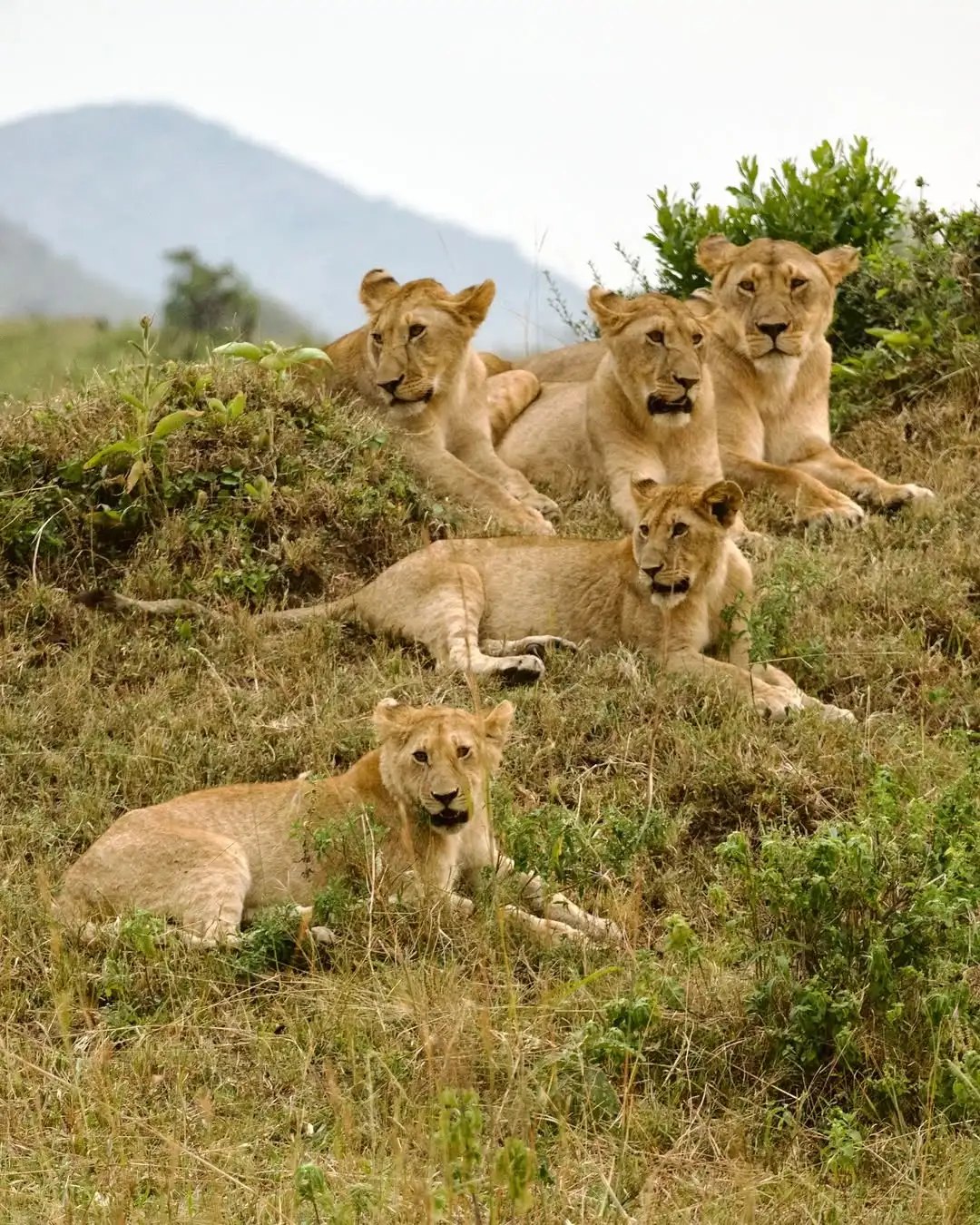
More than 3,000 lions live in the Serengeti ecosystem, which forms a Lion Conservation Unit with the Masai Mara.
Leopard density is estimated at about 5.4 per 100 km2 in the dry season, and cheetahs hunt on the open plains.
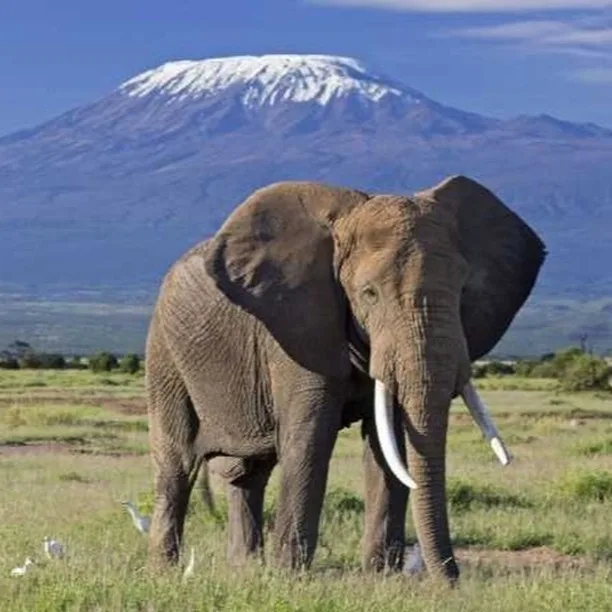
Elephants numbered over 5,000 by 2014, and buffalo rose to about 28,500 by 2008 after earlier declines.
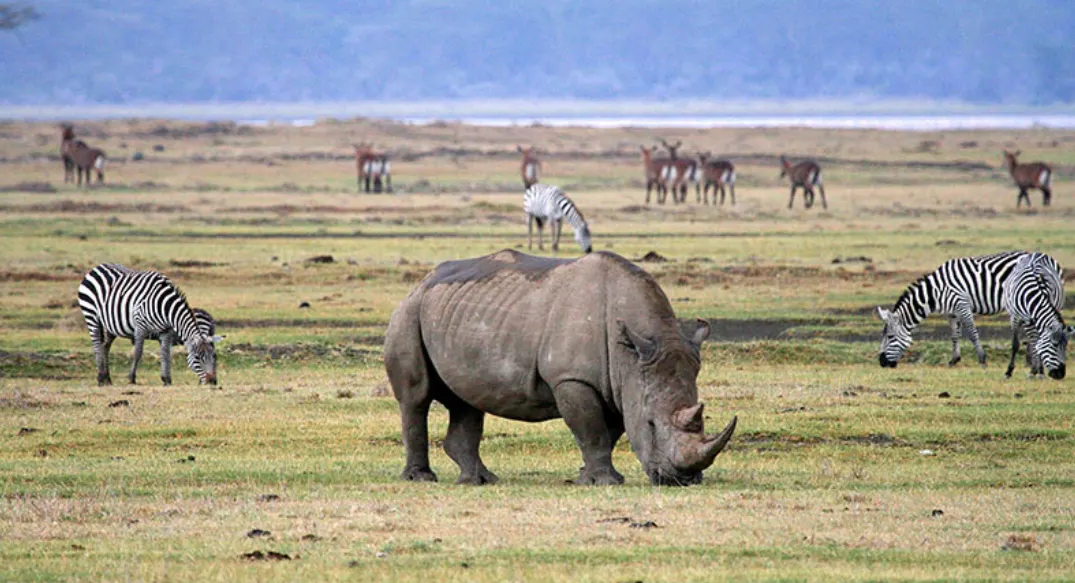
Fewer than 70 eastern black rhino remain in the park after heavy poaching in the 1980s.
African wild dogs were returned to the area in 2012 after disappearing in 1991.
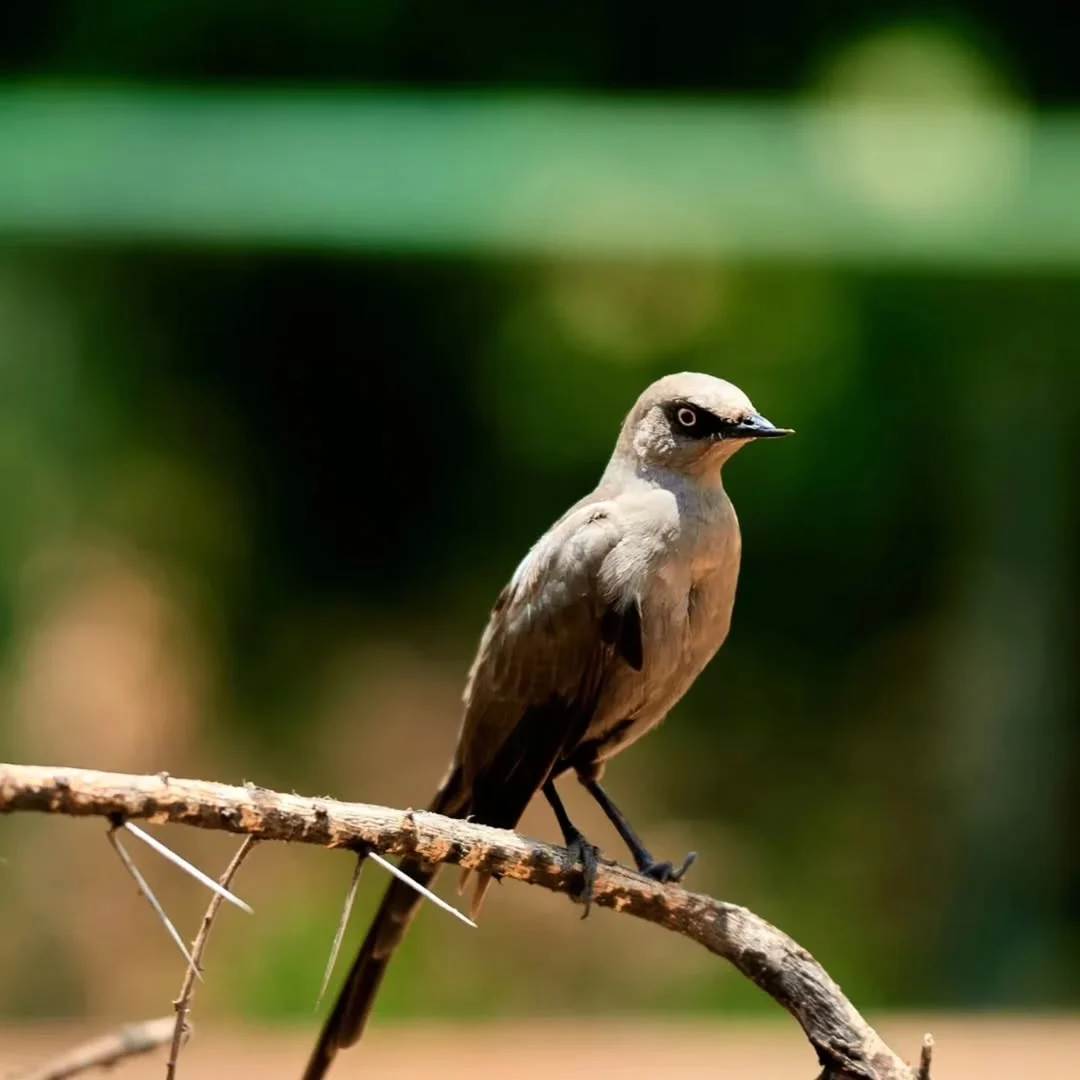
The list includes ostrich, secretarybird, kori bustard, crowned crane and many storks and raptors.
Treeless volcanic grassland on ash soils, with granite koppies used as predator lookouts.
The Grumeti, Mara, Mbalageti and Orangi rivers flow west toward Lake Victoria.
Commiphora woodland and hills from Seronera north to the Mara River on the Kenya border.
Gallery forest along the Grumeti holds baboons, vervet monkeys and mantled guereza.
June to October for river crossings, January to March for calving on the southern plains
Months December to March
What to expect Herds on the short-grass southern plains around Ndutu.
Best for Calving and predators
Crowds and prices Busiest months
Months April to June
What to expect Herds move through the centre and western corridor toward the Grumeti.
Best for Western corridor game drives
Months July to October
What to expect Dry season. Herds in the north, with crossings on the Mara River.
Best for Crossings at Kogatende
Crowds and prices Busiest months
Months November
What to expect Short rains. Herds walk back south through the east.
Best for Quieter migration viewing
Crowds and prices Fewer visitors
21 of our trips include Serengeti National Park. A few to compare:
Each price in the list below is per person in US dollars, with our own vehicle, our own guide and park fees included. For more choice, see the Serengeti safari packages and the Tanzania safari packages, or send us your dates and we will plan a private trip around them.
Follow the herds between Seronera, the western corridor, Kogatende and Ndutu in a 4x4 with our own guide.
From July to October, sit by the Mara River as wildebeest and zebra cross under crocodile pressure.
From December to March, drive the short-grass plains around Ndutu when calves are born.
Seronera holds resident lions, leopards and cheetahs even when the migration is elsewhere.
Open plains and riverine forest hold ostrich, bustards, hornbills, storks and many raptors.
Several lodge areas offer dawn balloon flights over the plains when wind conditions allow.
How Road
Time About 7 hours
Good to know Via Lake Manyara and the Ngorongoro highlands into the park
How Air
Time About 1 hour
Good to know Light aircraft to Seronera, Kogatende and Ndutu airstrips
How Road
Good to know Continuous with Kenya Masai Mara across the northern border
How Road
Good to know The conservation area borders the southeast of the park
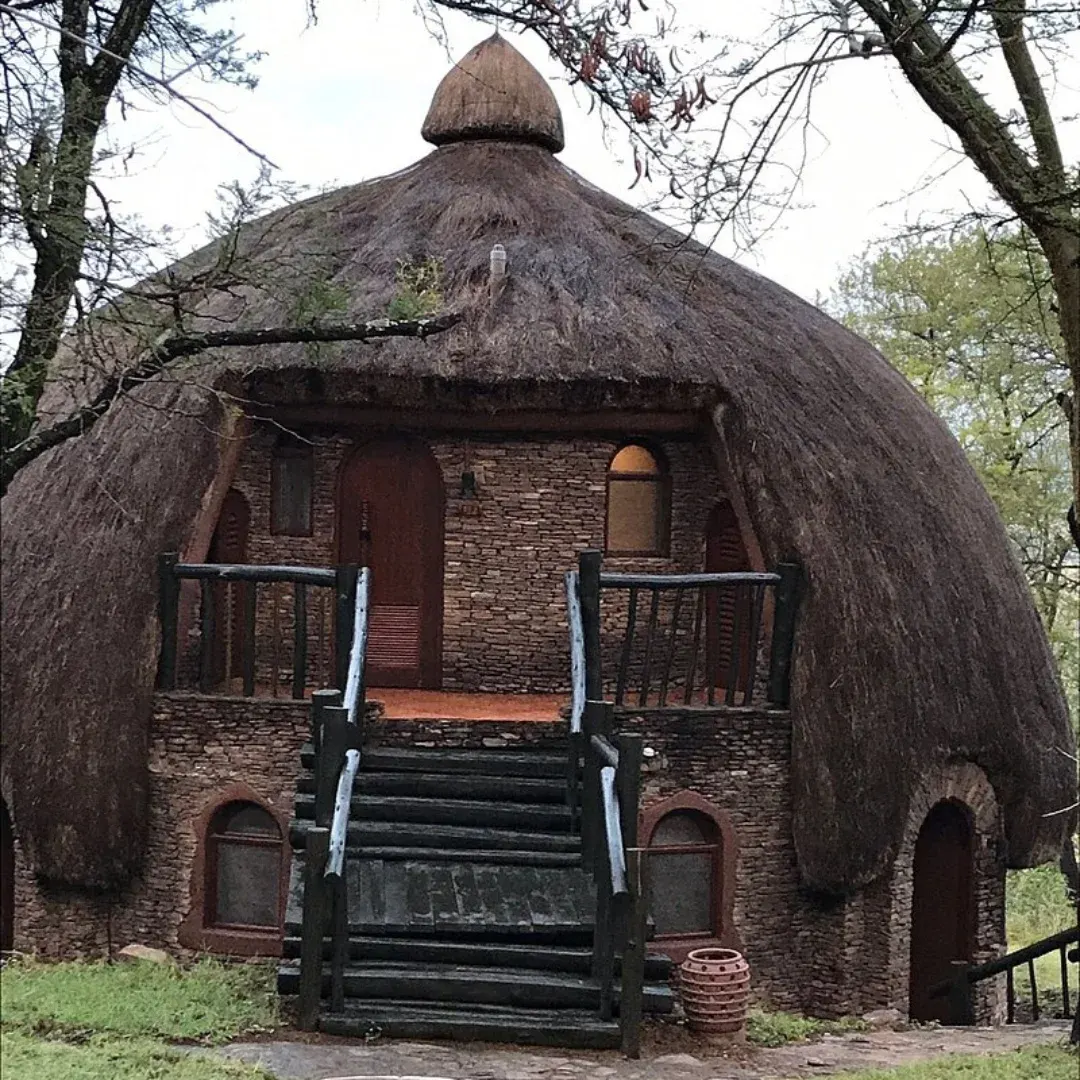
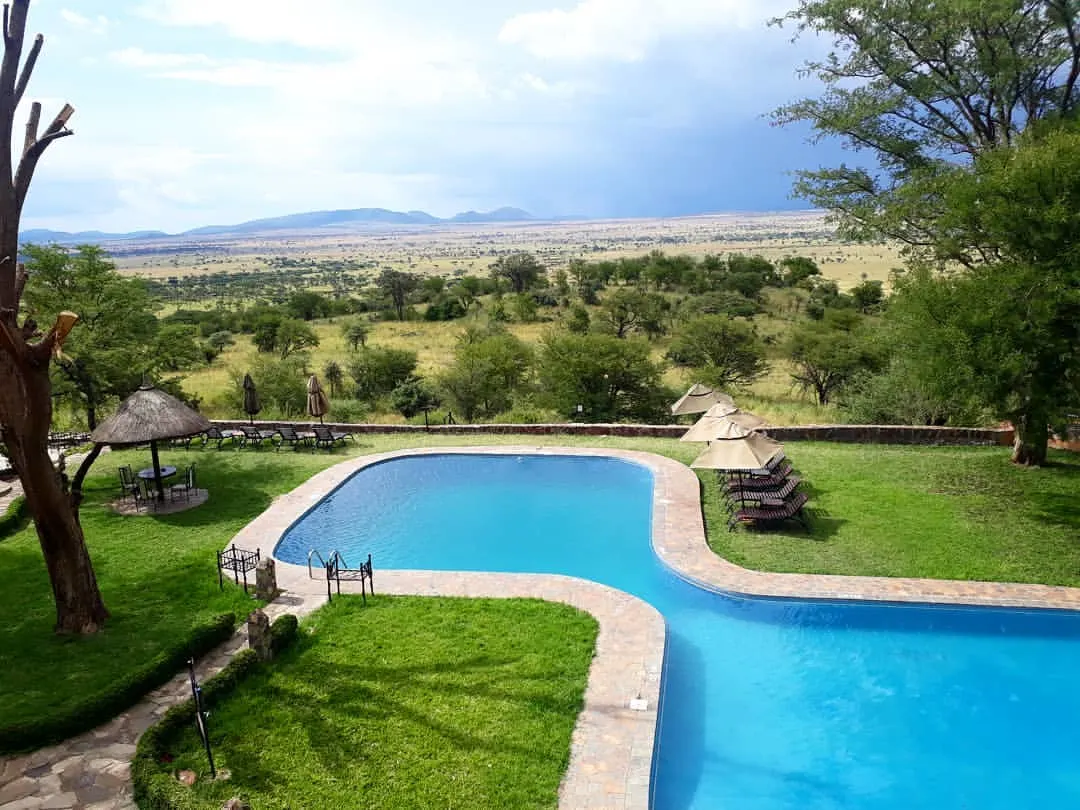
Permanent lodges and camps near the central airstrip suit year-round big cat drives.
Camps around Kogatende put you close to Mara River crossings from July to October.
Camps on the Ndutu plains suit December to March calving, on the Ngorongoro edge.
TANAPA staff and research bases share Seronera with public campsites used by camping safaris.
We book the lodge or camp that fits your budget when we plan your trip to Serengeti National Park.
See the migration safaris for trips timed to each season.
Seronera in the centre has resident big cats all year and is the easiest area to reach. The northern Kogatende area is best for crossings. The western corridor has the Grumeti River and its crocodiles. Ndutu in the south is the calving ground, on the edge of the Ngorongoro Conservation Area.
By road the route from Arusha passes Lake Manyara and the Ngorongoro highlands. Light aircraft land at Seronera, Kogatende and Ndutu. Stays range from public campsites to tented camps that move with the herds and permanent luxury lodges.
Plan at least two nights, and three or four in the migration season. Most Serengeti trips also include the Ngorongoro Crater and Tarangire. Compare the Serengeti safari packages.
June to October is best for dry season game viewing and river crossings. January to March is best for the calving season in the south.
Drive about seven hours through Ngorongoro, or fly about one hour from Arusha airport to an airstrip in the park.
Yes. The two parks are one ecosystem, and our Kenya and Tanzania trips cross the border at Isebania or fly between the two.
Plan at least two nights. Three or four nights work better in migration season so you can move between areas if the herds shift. Most of our Serengeti trips also include the Ngorongoro Crater and Tarangire on the same northern Tanzania route.
From December to March the herds calve on the southern plains around Ndutu. April to June they move through the centre and western corridor. July to October they gather in the north for Mara River crossings, then walk south again in November.
Yes. Lion, leopard, elephant, buffalo and eastern black rhino all live in the park. Lions number more than 3,000 across the wider ecosystem. Black rhino numbers are low, with fewer than 70 animals left in the park after past poaching.
Seronera is the main settlement and airstrip in the centre of the park. It has resident lions, leopards and cheetahs through the year, so it works even when the migration is in the north or south. Most road and air arrivals pass through this area.
Three recent reviews from SafariBookings. The score covers all 19.
Read SafariBookings Reviews5/5
An unforgettable safari experience in Kenya!
I had an amazing experience with Sun Summit & Safaris! I booked a 5-day safari visiting the Masai Mara and Lake Nakuru, and it was definitely one of the highlights of my travels. The itinerary was well planned and offere...
Yamila · United Kingdom · Oct 25, 2026
5/5
Incredible 9-Day Kenya Safari with Sun Summit & Safaris
We just returned from an unforgettable 10-day safari through Kenya with Sun Summit & Safaris, and we can't recommend them highly enough. From our very first exchange, Diana was outstanding to work with. She was incredibl...
Vishak Seshadri · United States · Aug 31, 2026
5/5
Safari Bookings provided a truly exceptional white-glove experience for my family. From our initial conversation, they provided expert guidance that perfectly matched our budget. Their custom recommendations for our enti...
Francis Kayiwa · United States · Apr 7, 2026
Tell us your dates and group size. We reply within 24 hours with a priced plan in US dollars.