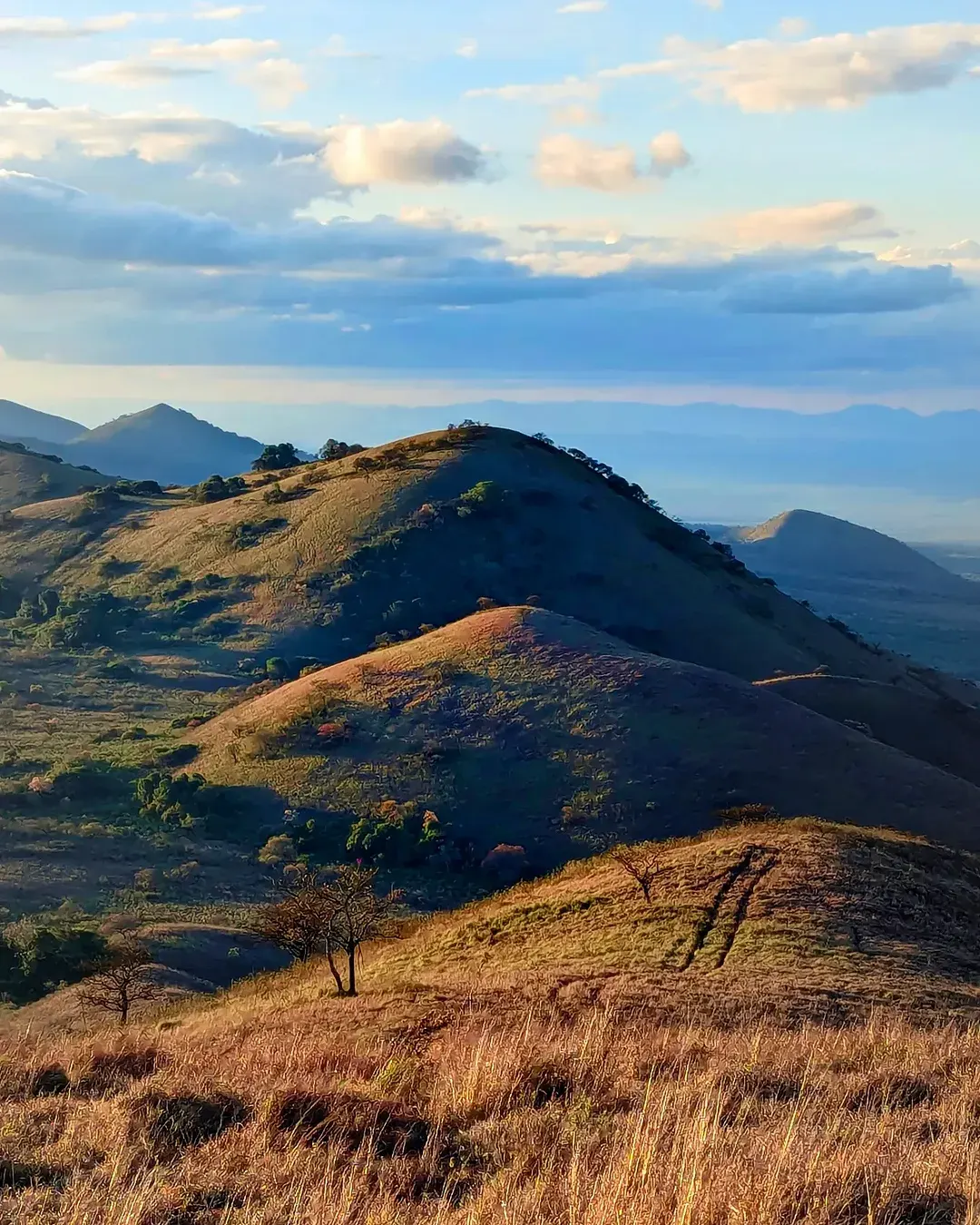
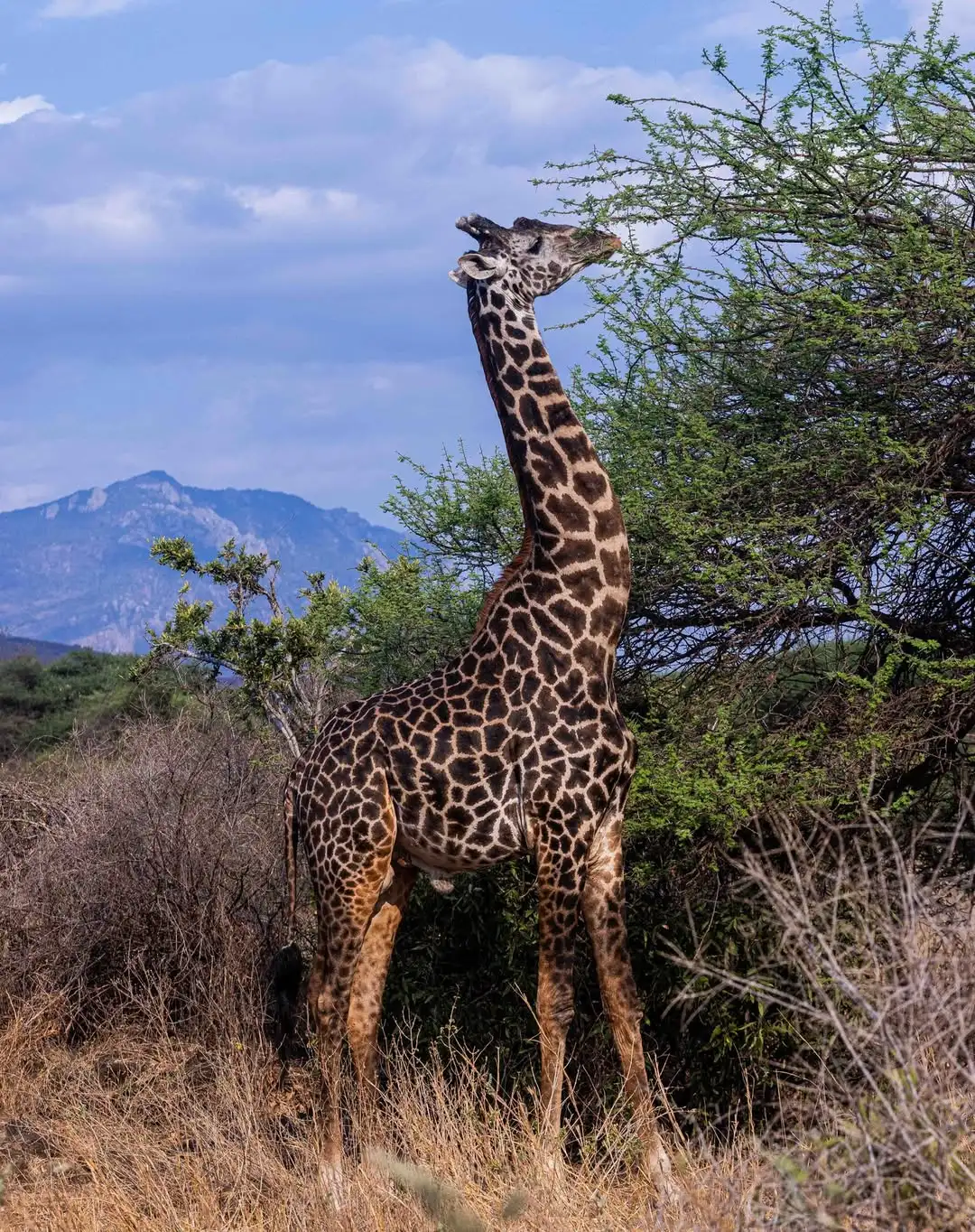
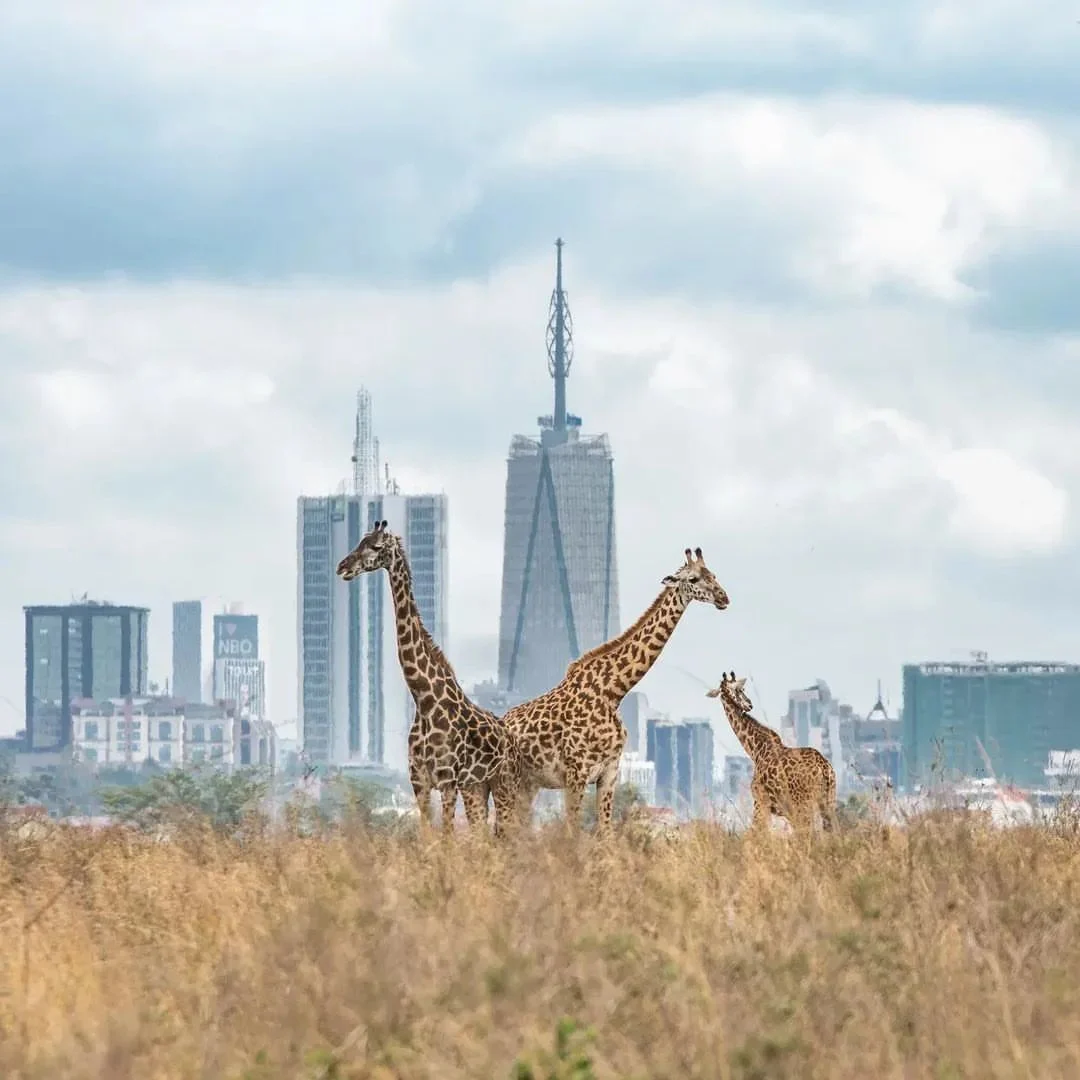
Mount Kilimanjaro views
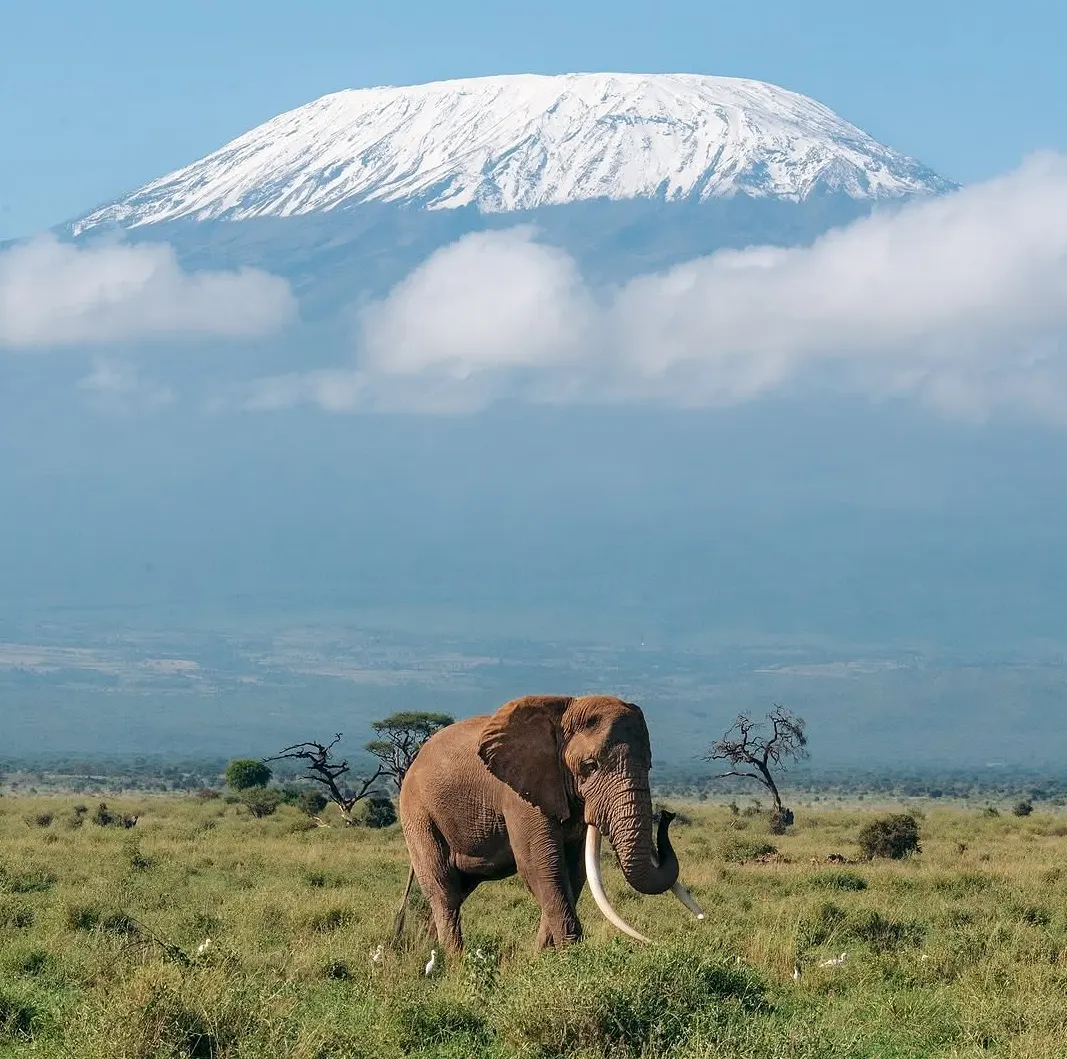
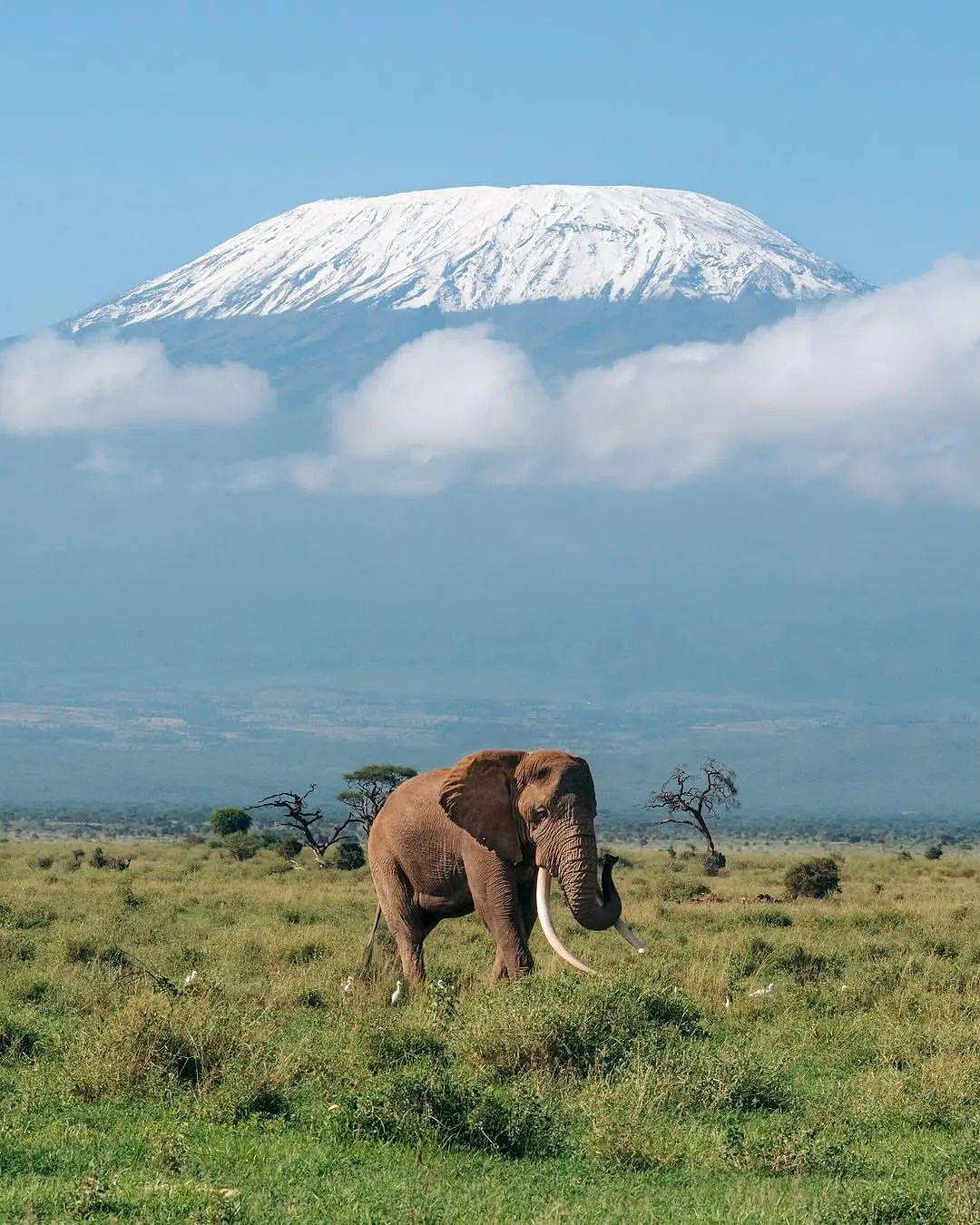
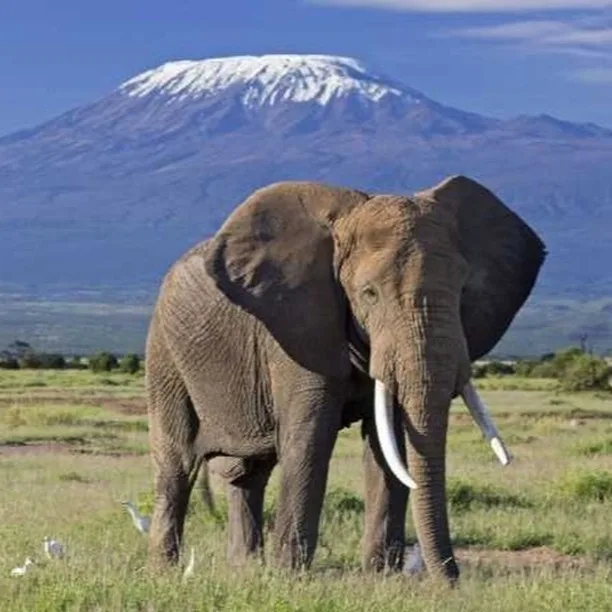
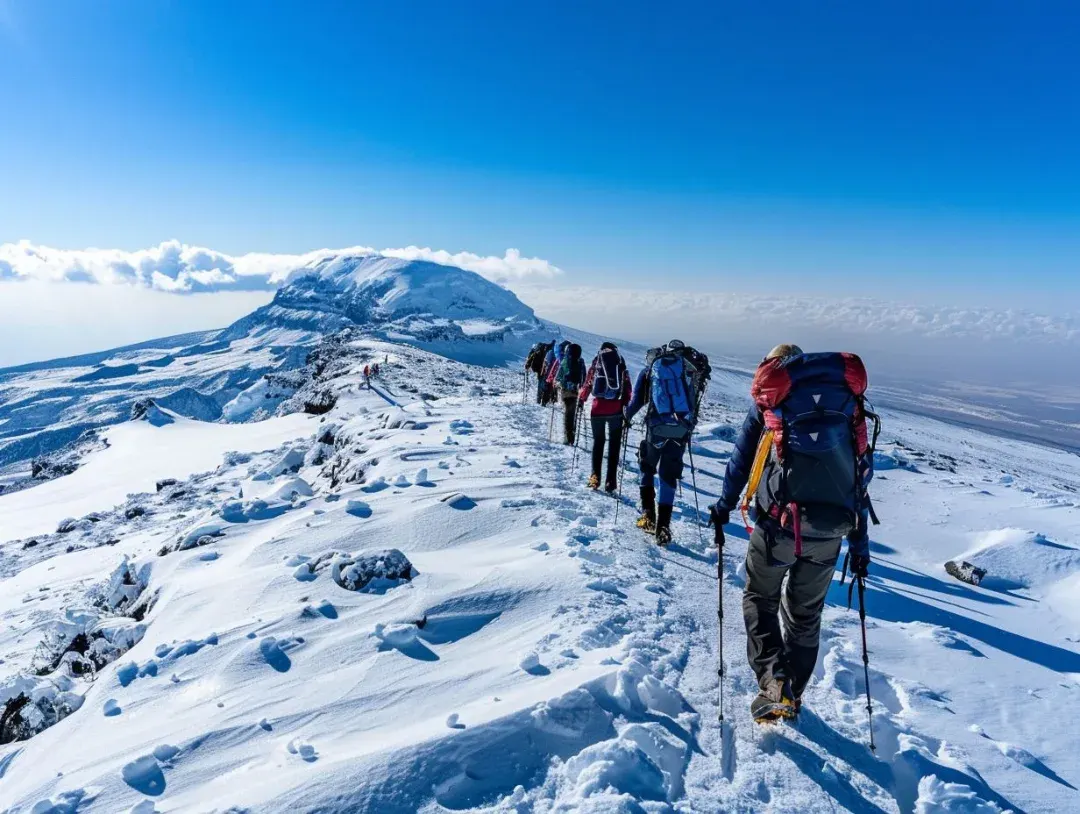
Africa's highest mountain at 5,895 m (19,341 ft) stands just across the border in Tanzania, behind the plains.
Free quote, no obligation. We reply within 24 hours.
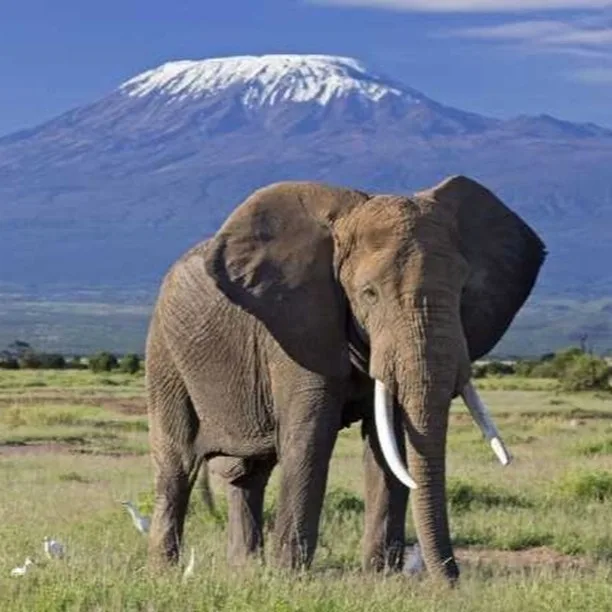
Amboseli National Park is a 392 km² (151 sq mi) park in Kajiado County, southern Kenya, at the foot of Mount Kilimanjaro near the Tanzania border. It was gazetted in 1974, is managed by Kenya Wildlife Service and forms the core of a UNESCO Biosphere Reserve.
Travellers come for large elephant herds on open plains with Kilimanjaro behind them, and for swamps and plains that hold more than 400 bird species. The drive from Nairobi takes four to five hours, so Amboseli works as a two night stop, paired with Tsavo West on the way to the coast or with the Masai Mara and Lake Nakuru on a longer route.
Our guides are adding their own photos of Amboseli National Park. They appear here as soon as they are uploaded.
Africa's highest mountain at 5,895 m (19,341 ft) stands just across the border in Tanzania, behind the plains.
Amboseli's elephants have been studied since 1972, the longest running study of elephant behaviour in the wild.
Also called Nomatior, the hill gives wide views over the park and has cultural links to the Ndorobo community.
The park protects two of the area's five main swamps, an oasis beside the arid bed of the dry lake.
The dried-up bed of a Pleistocene lake lies inside the park. Kenya Wildlife Service lists it for its flamingos.
Echo, the most researched elephant in the world, lived here until 2009 and featured in books and documentaries.
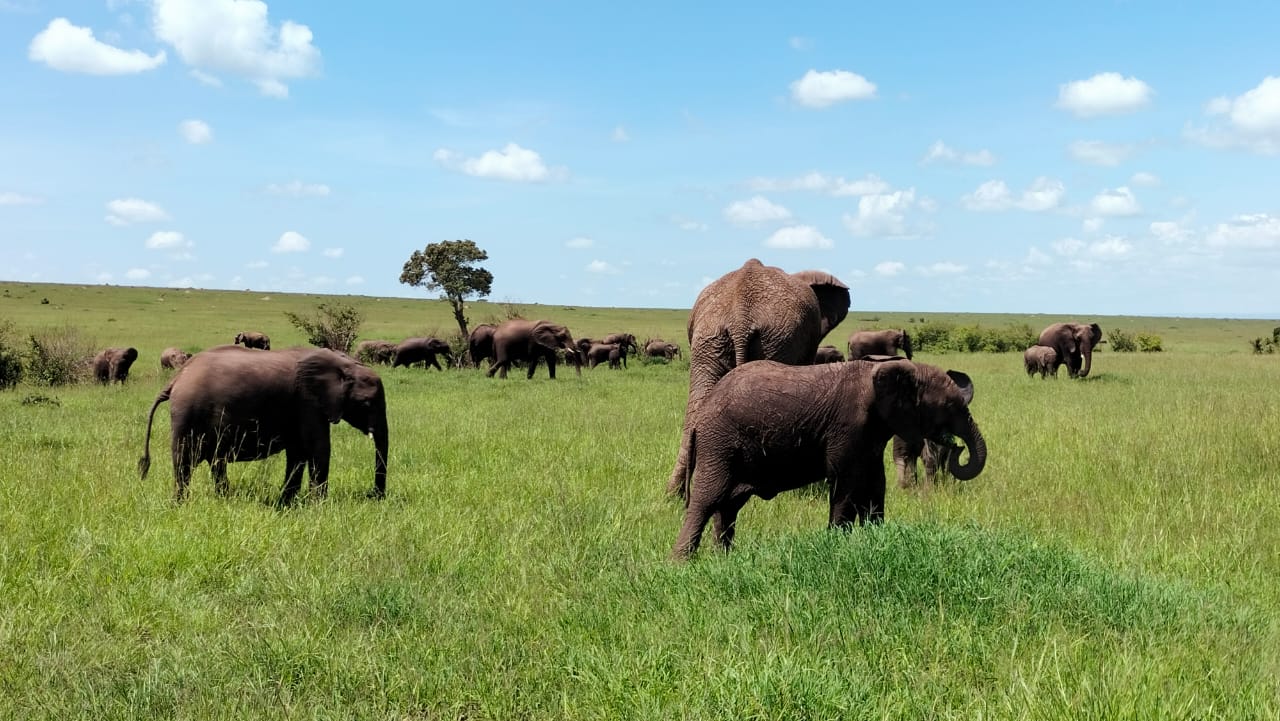
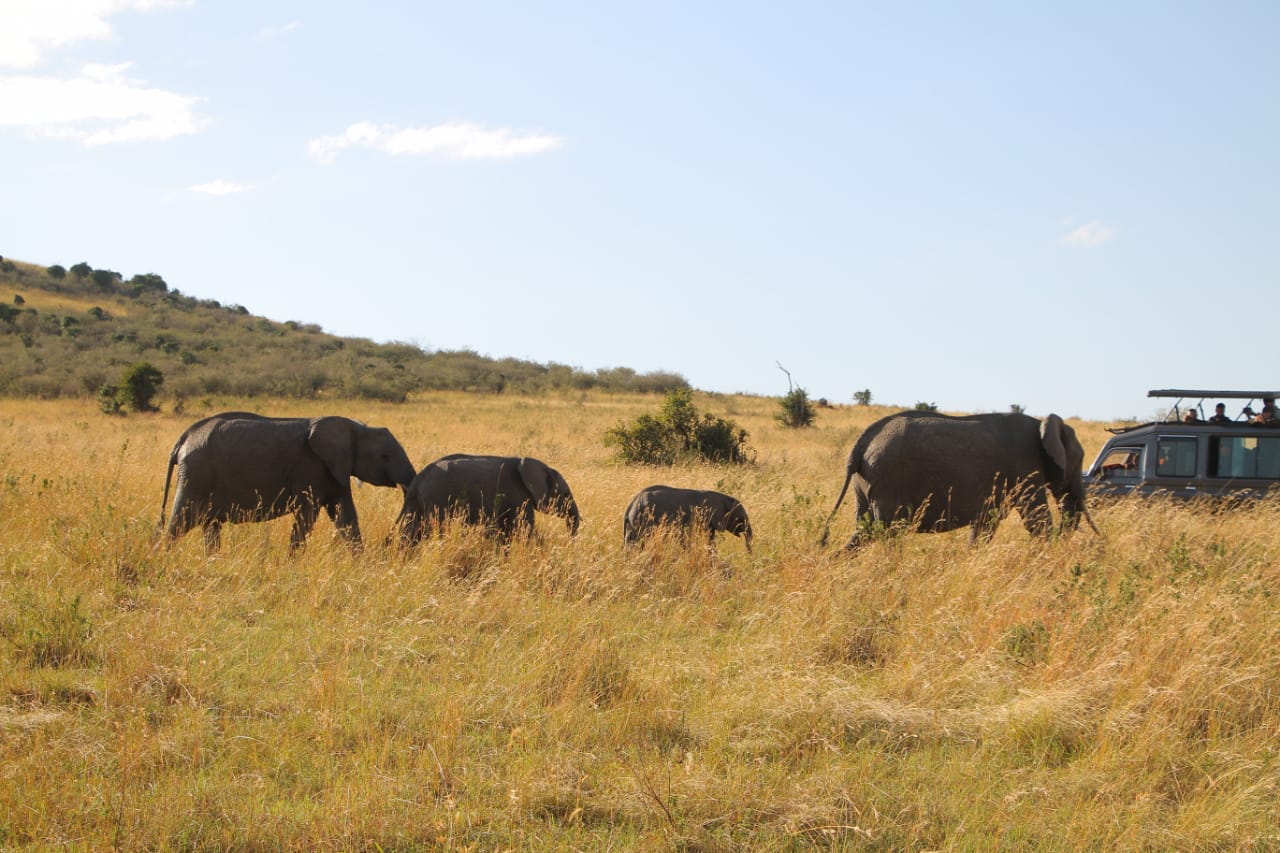
Large herds are the main draw. Researchers hold life histories for more than 2,000 individual elephants.
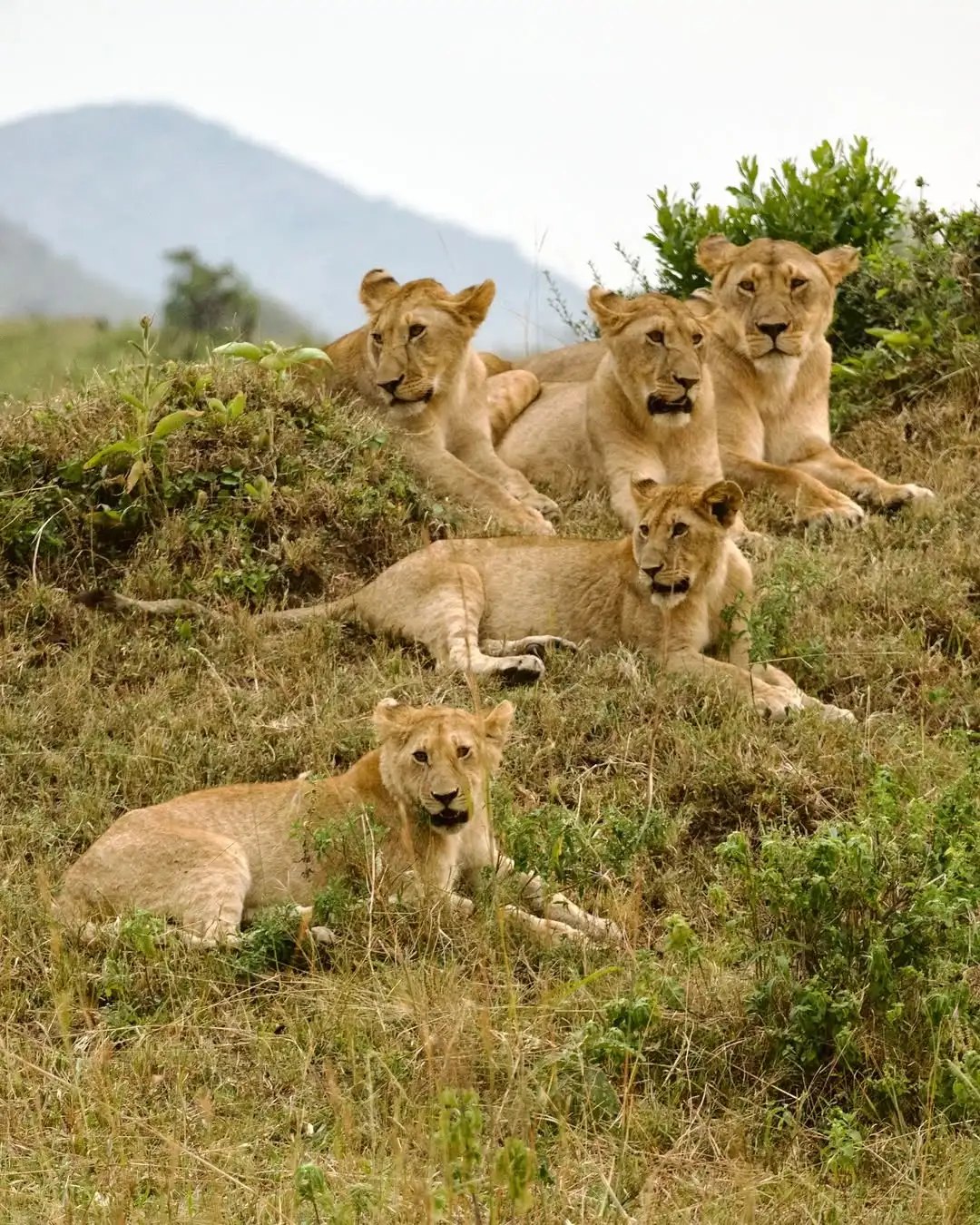
Both cats hunt on the open plains of the park, and spotted hyena are resident too.
Cape buffalo, Masai giraffe and Grant's zebra are among the 50 to 80 mammal species recorded here.
Eastern white-bearded wildebeest and impala share the park with troops of yellow baboon.
Pelicans, kingfishers, crakes and hamerkop are among about 400 bird species recorded in the park.
More than 40 species of raptor have been recorded. Amboseli is one of Kenya's 60 Important Bird Areas.
Open grass plains run between the swamps and the woodland, with Kilimanjaro behind them.
Acacia woodland and thorny bushland grow on the drier ground of this semi-arid area.
Freshwater swamps and marshes sit among saline plains below the volcanic slopes of Kilimanjaro.
Empusel, the Maasai name for the area, means salty, dusty place, after the bed of the dried-up lake.
June to October and January to February, for dry weather and clear views of Kilimanjaro
Months June to October
What to expect Dry and dusty, with wildlife close to the swamps and clear views of Kilimanjaro.
Best for Elephants and photography
Crowds and prices Busiest months
Months January to February
What to expect Mostly dry, with clear mornings.
Best for Kilimanjaro views
Months March to May
What to expect Rain on many days in March and April, easing in May. The plains turn green.
Best for Birdwatching
Crowds and prices Fewer visitors
Months November to December
What to expect Showers, green scenery and migrant birds.
Best for Birdwatching
Crowds and prices Quieter
14 of our trips include Amboseli National Park. A few to compare:
Each price in the list below is per person in US dollars, with our own vehicle, our own guide and park fees included. For more choice, see the Kenya safari packages, or send us your dates and we will plan a private trip around them.
Morning and afternoon drives in a 4x4 with our own guide, when the light and the wildlife are at their best.
Elephants on the plains with Kilimanjaro behind them, best early in the day before cloud builds.
Swamps and plains with over 400 recorded species, including water birds and many birds of prey.
A short walk to the top of the hill for a view over the swamps and plains.
Visits to Maasai manyattas and cultural centres show a pastoral way of life that is closely tied to conservation.
Guided walks in the conservancies and private areas next to the park.
How Road
Time 4 to 5 hours
Distance 204 km
Good to know Mombasa road to Emali, then the Loitokitok road to Iremito Gate
How Road
Distance 220 km
Good to know Via Namanga to Meshanani Gate. Tarmac to Namanga, then a murram road
How Road
Good to know A road links the two parks and enters Amboseli through Kimana Gate
How Air
Time Scheduled flight
Good to know Scheduled and charter flights land at the tarmac airstrip inside the park
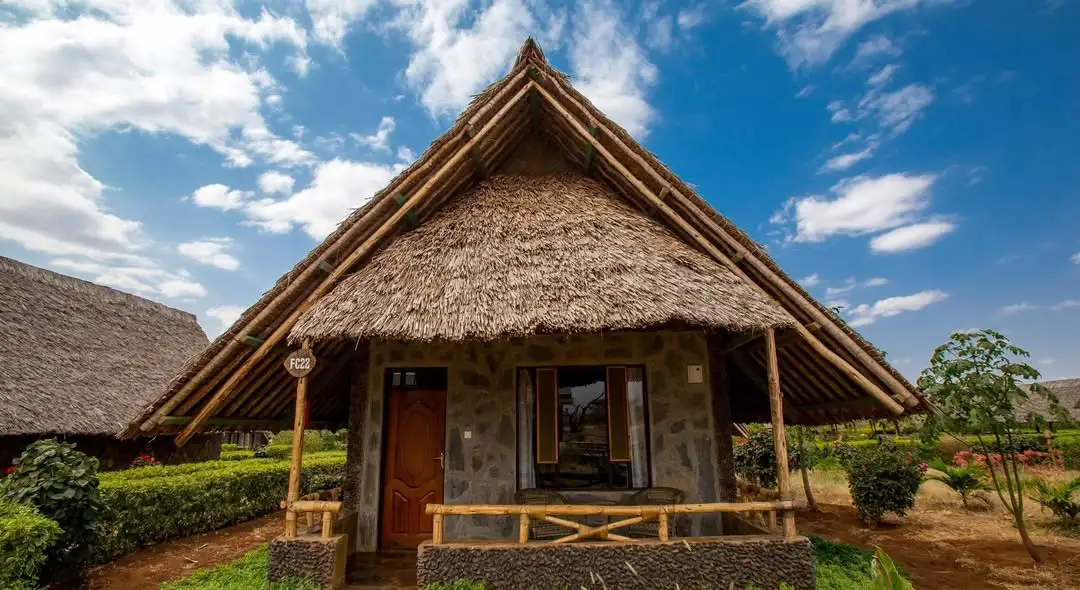
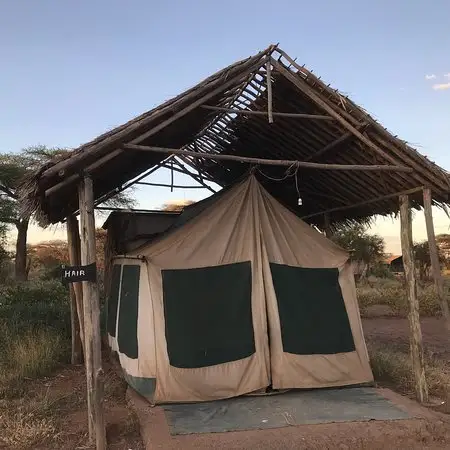
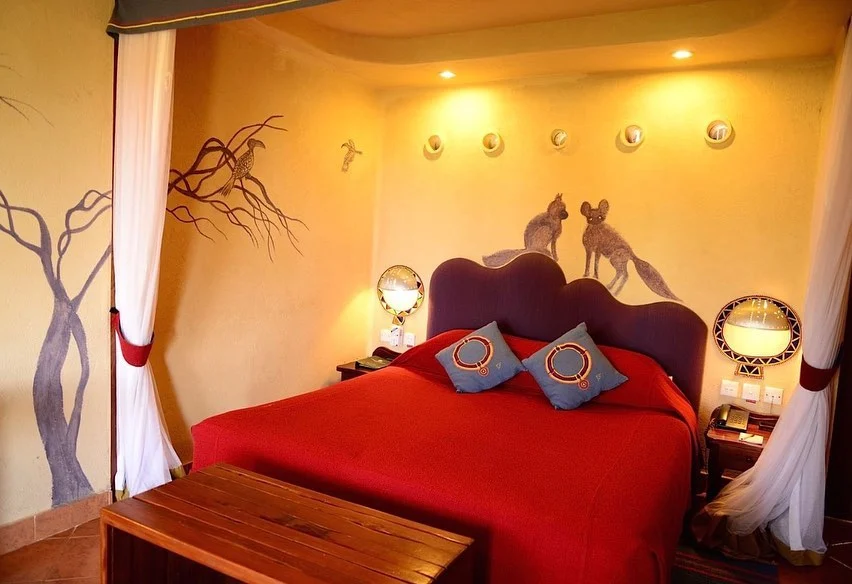
Amboseli Serena Safari Lodge offers classic African-style luxury in the heart of Amboseli National Park, with striking Mount Kilimanjaro views, comfor...
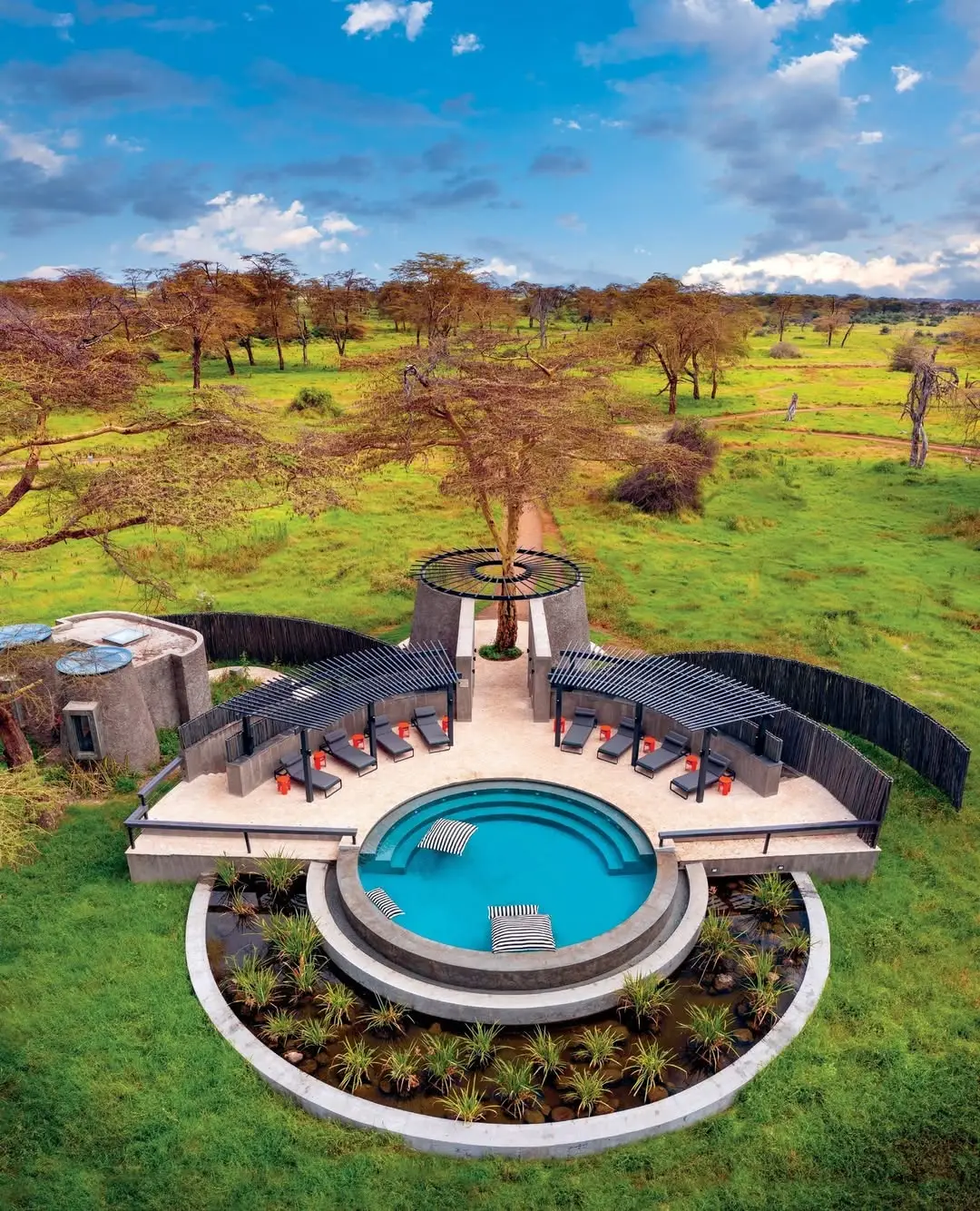
Angama Amboseli is a luxury safari lodge in Kenya’s Kimana Sanctuary, offering intimate wildlife experiences, striking views of Mount Kilimanjaro, and...
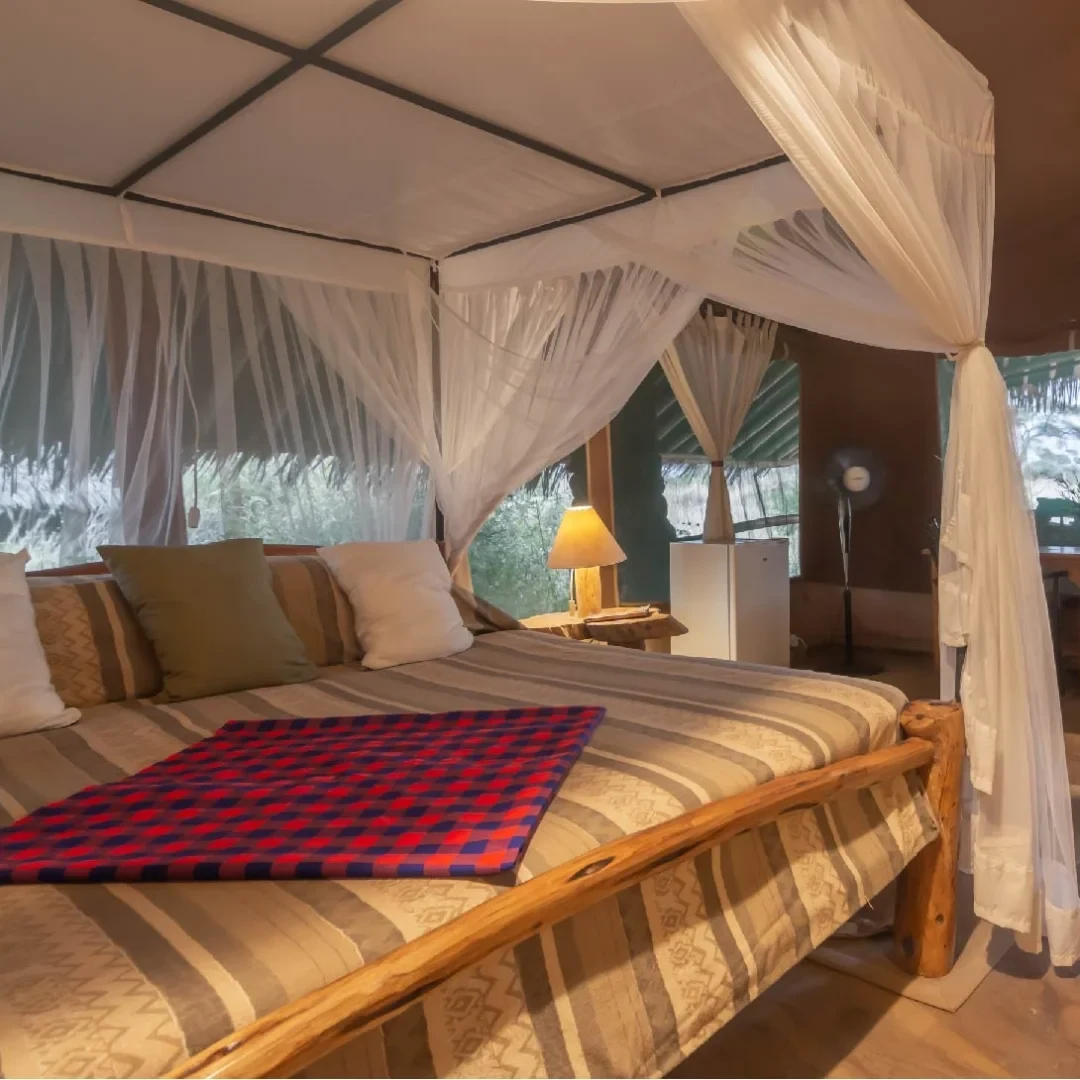
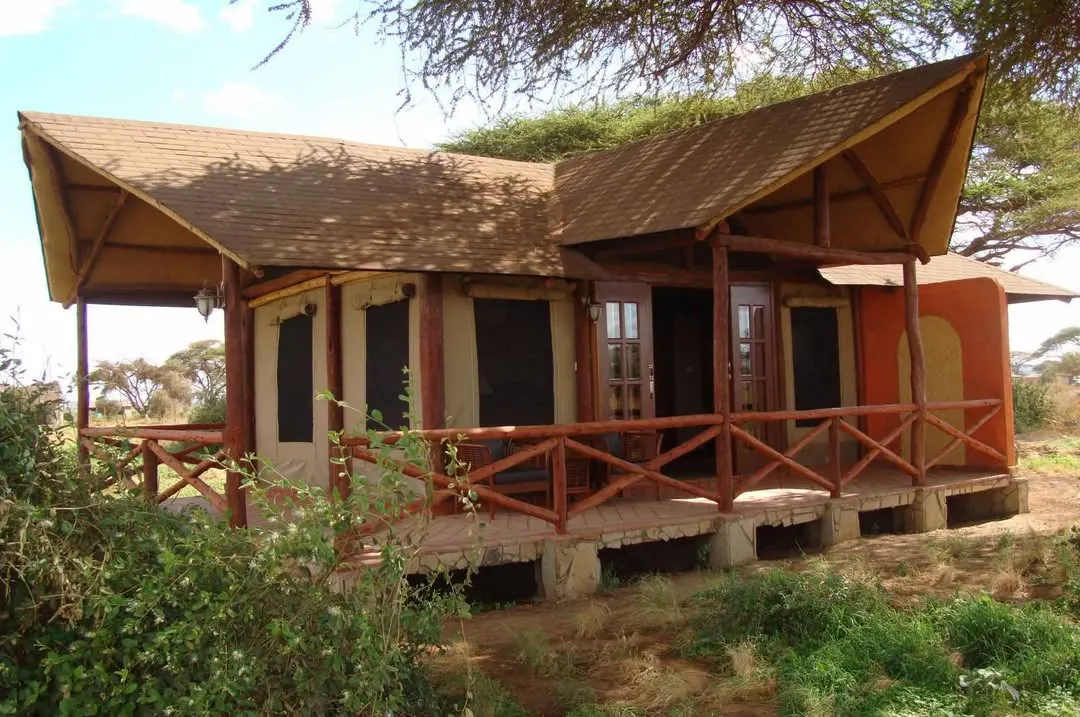
We book the lodge or camp that fits your budget when we plan your trip to Amboseli National Park.
Amboseli National Park covers approximately 392 km² at the foot of Mount Kilimanjaro, offering some of the best-known safari scenery in Kenya.
The park is known for its large elephant herds, scenic plains, wetlands, and diverse wildlife. Amboseli’s open savannahs, acacia woodlands, and swamps attract species such as lions, cheetahs, zebras, giraffes, and hippos, making it a top destination for wildlife enthusiasts and photographers.
Elephants: Amboseli is famous for massive elephant herds, including matriarchs with impressive tusks.
Predators: Lions, cheetahs, and leopards roam the plains and woodlands.
Other Mammals: Wildebeests, zebras, giraffes, impalas, buffaloes, and hippos thrive in the wetlands.
Birdlife: Over 400 species, including African fish eagles, crowned cranes, storks, pelicans, and kingfishers.
Mount Kilimanjaro: Snow-capped peaks create a dramatic backdrop for photography and wildlife viewing.
Observation Hill: Offers panoramic views of the wetlands, plains, and distant mountains.
Swamps and Marshes: Key ecosystems attracting hippos, elephants, and hundreds of bird species.
Game Drives: Morning and afternoon drives make the most of wildlife sightings with experienced safari guides.
Birdwatching: Wetlands and plains host hundreds of bird species, including migratory birds.
Photography Safaris: Famous scenery with elephants and Kilimanjaro peaks provide striking shots.
Cultural Visits: Interactions with Maasai communities for traditional dances, beadwork, and local lifestyle.
Walking Safaris: Available in conservancies and private areas adjacent to the park for close-up wildlife experiences.
Luxury: Amboseli Serena Safari Lodge, Ol Tukai Lodge
Midrange: Sentrim Amboseli Lodge, Amboseli Sopa Lodge
Budget Campsites: Kimana Camp, Nyati Camp, Rafiki Ositua Camp, and other campsites near park entrances
Access: Approximately 240 km from Nairobi (4 to 5 hour drive) or via charter flights to Amboseli Airstrip.
Park Fees (2025/2026 updates):
Non-Resident Adult: USD 90 per person per day
Non-Resident Child: USD 45 per day
East African Citizen (Adult): KES 1,000 to 1,350
East African Child: 50% of adult rate
Children under 5: Free
Best Time to Visit: June, October for dry-season wildlife concentration and clear Kilimanjaro views; November, May for lush scenery and migratory birds.
Tips for Visitors: Bring binoculars, sun protection, and cameras with zoom lenses. Early morning drives provide the best lighting and wildlife activity.
Two nights is enough for three or four game drives and a walk up Observation Hill. Kilimanjaro is clearest at sunrise and late afternoon, so plan drives for those hours. Amboseli pairs well with Tsavo West on the way to the coast, or with the Masai Mara and Lake Nakuru on a week long route.
Two nights covers the park well. Add a third if photography is your main aim.
The mountain is clearest from June to October and from January to February, mostly early in the morning.
Yes. Amboseli has one of the most studied elephant populations in Africa, including several big tuskers.
Amboseli National Park is in Kajiado County in southern Kenya, at the foot of Mount Kilimanjaro and close to the Tanzania border. The park covers 392 km² (151 sq mi) at the centre of an ecosystem of about 8,000 km² (3,100 sq mi) that reaches across the border.
By road the drive takes four to five hours. One route follows the Mombasa road to Emali and then the Loitokitok road to Iremito Gate, about 204 km. The other goes through Namanga to Meshanani Gate, about 220 km, on tarmac as far as Namanga. Scheduled and charter flights land at the airstrip inside the park.
Amboseli is best known for its large elephant herds. Lion, cheetah, spotted hyena, Cape buffalo, Masai giraffe, Grant's zebra, wildebeest, impala and yellow baboon also live in the park. More than 400 bird species have been recorded, including pelicans, kingfishers and over 40 birds of prey.
Kenya Wildlife Service lists the fee for non-residents at US$90 for an adult and US$45 for a child. We checked this rate on 26 November 2026. Fees change from time to time, so we confirm the current rate when we quote your trip.
June to October is the main dry season, when wildlife gathers at the swamps and Kilimanjaro is often clear. January and February are also mostly dry. March to May and November to December bring rain, green plains and migrant birds, with more cloud over the mountain.
Yes. Kenya Wildlife Service runs self-catering houses and cottages inside the park, including Kilimanjaro Guest House, Kibo House, Simba Cottages and Chui Cottages, and a public campsite. Privately owned lodges and tented camps are also listed in and around the park.
Three recent reviews from SafariBookings. The score covers all 19.
Read SafariBookings Reviews5/5
An unforgettable safari experience in Kenya!
I had an amazing experience with Sun Summit & Safaris! I booked a 5-day safari visiting the Masai Mara and Lake Nakuru, and it was definitely one of the highlights of my travels. The itinerary was well planned and offere...
Yamila · United Kingdom · Oct 25, 2026
5/5
Incredible 9-Day Kenya Safari with Sun Summit & Safaris
We just returned from an unforgettable 10-day safari through Kenya with Sun Summit & Safaris, and we can't recommend them highly enough. From our very first exchange, Diana was outstanding to work with. She was incredibl...
Vishak Seshadri · United States · Aug 31, 2026
5/5
Safari Bookings provided a truly exceptional white-glove experience for my family. From our initial conversation, they provided expert guidance that perfectly matched our budget. Their custom recommendations for our enti...
Francis Kayiwa · United States · Apr 7, 2026
Tell us your dates and group size. We reply within 24 hours with a priced plan in US dollars.