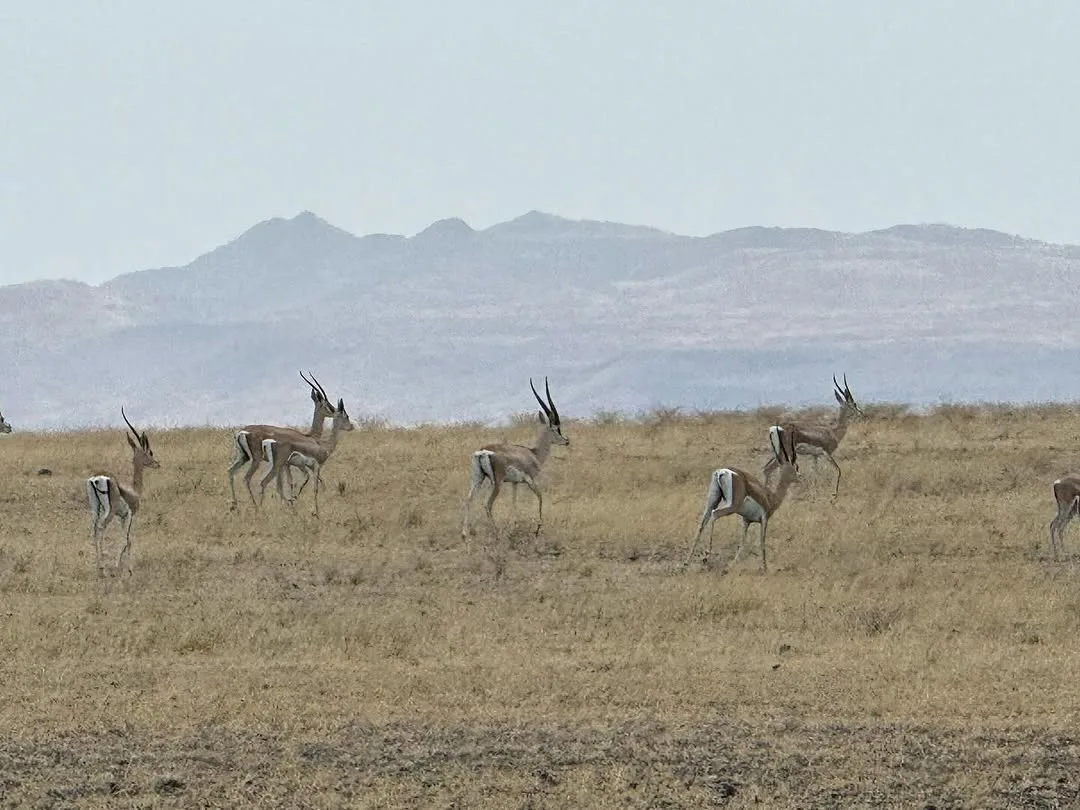
Sibiloi National Park is a wild, remote UNESCO World Heritage Site situated on the northeastern shores of Lake Turkana in Marsabit County, Northern Kenya. Covering 1,570 square kilometers of volcanic desert, dry riverbeds, petrified forests, and basalt hills, Sibiloi sits along the edge of Lake Turkana—the world's largest permanent desert lake and largest alkaline lake, affectionately known as the "Jade Sea" for its striking turquoise color.
Why Visit Sibiloi National Park & Lake Turkana?
Sibiloi is internationally famous as the "Cradle of Humankind." It was here at the Koobi Fora Spit that paleontologist Dr. Richard Leakey and his team uncovered groundbreaking hominid fossils, including Homo habilis, Homo erectus, and Australopithecus boisei, which reshaped the world's understanding of human evolution. Beyond paleontology, the park offers an extraordinary desert adventure featuring 7-million-year-old petrified forests, giant crocodile populations, and vibrant indigenous desert cultures.
Best Time to Visit
- December to February & June to August (Cooler Dry Months): The premier months for visiting. While temperatures in this desert region remain hot year-round (often 35°C to 40°C), these months offer lower humidity, less dust, and manageable lake winds.
- November to April (Bird Migration Season): Over 350 species of resident and European migratory waterbirds gather along the shores of Lake Turkana and Central Island.
- March to May & October (Extreme Heat & Flash Floods): Temperatures reach peak highs, and occasional rare flash floods can make desert tracks impassable.
Paleontological & Natural Attractions
Sibiloi contains a unique combination of prehistoric human history, desert geology, and specialized wildlife:
- Koobi Fora Fossil Sites & Museum: World-famous archaeological dig sites and an on-site museum displaying intact fossils of early hominids, giant extinct tortoises, 45-million-year-old crocodile skulls, and elephant ancestors.
- The "Jade Sea" (Lake Turkana): A mesmerizing turquoise alkaline lake stretching over 250 kilometers through the volcanic Great Rift Valley.
- Petrified Forest at Mount Sibiloi: A 7-million-year-old fossilized forest featuring massive petrified tree trunks preserved by ancient volcanic ash.
- Desert Wildlife: Habitat for dry-country species including Grevy's zebras, Beisa oryx, gerenuks, reticulated giraffes, Grant's gazelles, striped hyenas, and desert lions.
- Nile Crocodile Breeding Sanctuary: Lake Turkana holds one of the world's largest natural breeding colonies of Nile crocodiles, particularly around nearby Central Island National Park.
- Indigenous Desert Cultures: Surrounded by traditional pastoralist tribes, including the Turkana, Rendille, Gabbra, and the El Molo—Kenya's smallest ethnic group.
Top Activities & Experiences
- Koobi Fora Museum & Dig Site Tour: Take a guided tour of the fossil museum and walk among active archaeological excavation pits.
- Visiting the Petrified Forest: Hike across the volcanic slopes of Mount Sibiloi to explore ancient petrified tree trunks.
- Boat Safaris to Central Island National Park: Take a boat trip across Lake Turkana to Central Island to hike up three volcanic crater lakes filled with flamingos and breeding crocodiles.
- El Molo Cultural Village Visit: Visit the unique El Molo fishing villages near Loiyangalani to learn about their ancient palm-frond housing and basket-fishing traditions.
- Sunset over the Jade Sea: Watch spectacular desert sunsets over the glowing turquoise waters of Lake Turkana.
How to Get There
- By Air (Fastest & Standard Route for Tourists): Scheduled or private charter light-aircraft flights operate from Nairobi (Wilson Airport) to Koobi Fora Airstrip inside the park, or to nearby Loiyangalani Airstrip or Kalokol Airstrip, followed by 4x4 transfers.
- By Road (Overland Expedition): A 2 to 3-day rugged 4x4 expedition (approx. 800 km) from Nairobi via Isiolo, Laisamis, Marsabit, and North Horr across the Chalbi Desert. Requires heavy-duty 4x4 vehicles, satellite phones, and extra fuel/water reserves.
Where to Stay in Sibiloi & Lake Turkana
Because Sibiloi is one of the most remote national parks in East Africa, accommodations are limited to scientific research guest houses, desert eco-lodges, and self-catering KWS bandas:
- Luxury (5-Star & High-End Expedition Lodges):
- Desert Rose Lodge: An exclusive, eco-luxury mountain lodge built into the cedar forests of Mount Nyiru near South Turkana, featuring hand-crafted stone-and-timber suites, natural rock plunge pools, and private charter access to Sibiloi.
- Koobi Fora Research Center VIP Guest House: Air-conditioned, comfortable stone research chalets overlooking Lake Turkana at the main Koobi Fora archaeological headquarters.
- Private Luxury Flying Safaris: High-end mobile luxury tented camps set up on the shores of Lake Turkana by private safari operators.
- Mid-Range (4-Star & Desert Resorts):
- Eliye Springs Resort (Kalokol): A famous beach resort located on the western shore of Lake Turkana, featuring thatched Boma-style chalets, a swimming pool, and boat charters across to Sibiloi.
- Palm Shade Resort (Loiyangalani): A comfortable mid-range lodge offering air-conditioned rooms, gardens, and cultural tours on the southeastern shore of Lake Turkana.
- Lobolo Camp: A permanent tented safari camp nestled in a palm oasis on the western shore of Lake Turkana.
- Budget (3-Star & KWS Bandas):
- KWS Koobi Fora Bandas: Basic self-catering stone bandas with sea views managed directly by Kenya Wildlife Service at Koobi Fora research base.
- KWS Alia Bay Bandas & Campsite: Simple self-catering bandas and public camping grounds managed by KWS near the park headquarters at Alia Bay.
- Loiyangalani & Kalokol Local Guesthouses: Simple, affordable local guesthouses located in nearby desert trading centers.
Recommended Duration & Traveler Tips
- Ideal Stay: 2 to 4 nights (allows time to explore Koobi Fora dig sites, the petrified forest, Central Island, and local cultural villages).
- Who It’s Best For: Archaeologists, history buffs, adventurous travelers, photographers, cultural enthusiasts, and bucket-list expedition seekers.
- Traveler Tips: Sibiloi is extremely hot and dry; drink plenty of water, wear lightweight breathable clothing, wide-brim hats, and heavy sun protection. Ensure you carry adequate cash, satellite communications, and specialized medical supplies as emergency services in Northern Kenya are limited.


