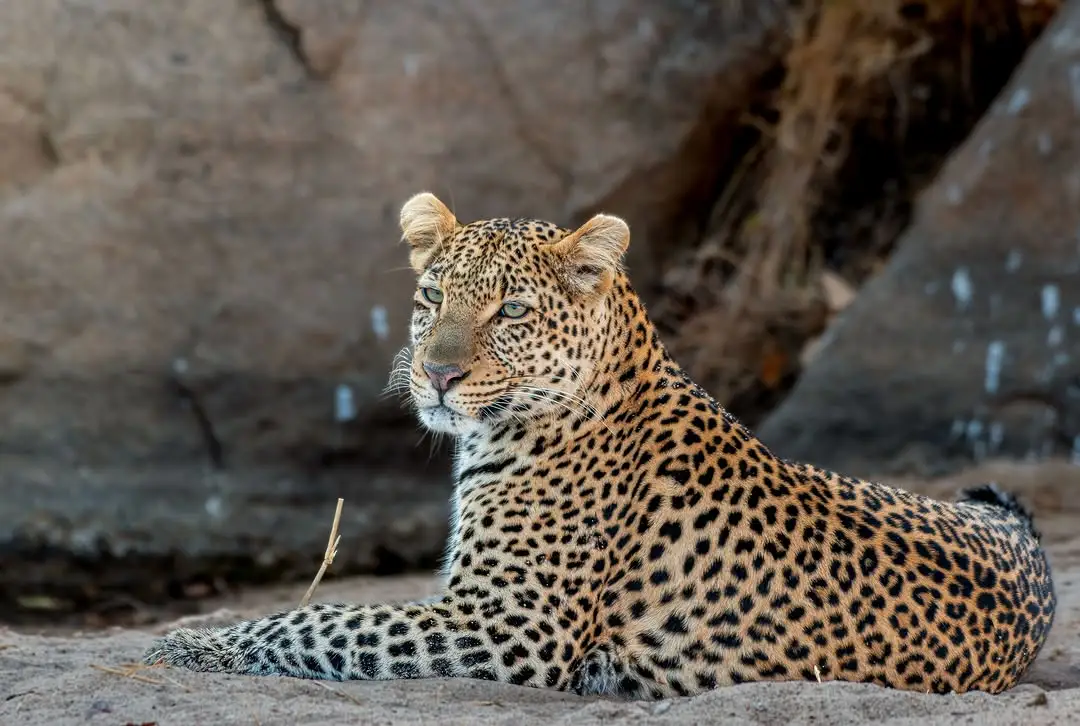
Ruaha National Park is Tanzania's second-largest national park, encompassing over 20,000 square kilometers of wild, untouched African wilderness in the heart of Southern Tanzania. Defined by its iconic baobab-dotted landscape, rocky granite kopjes, and the life-giving Great Ruaha River, Ruaha is a rugged, off-the-beaten-path haven for true safari purists.
Why Visit Ruaha National Park?
Ruaha is world-famous for its incredible predator density, hosting 10% of the world's remaining wild lion population. Large, formidable lion prides—sometimes numbering over 20 individuals—are frequently seen hunting big game along the dry riverbeds. Additionally, Ruaha sits at the transition zone where East African and Southern African flora and fauna overlap, making it one of the few places on Earth where you can see both Greater and Lesser Kudu side by side.
Best Time to Visit
- June to October (Dry Season): The premier season for game viewing. As water holes dry up, massive herds of elephants, buffalos, and antelopes gather along the Great Ruaha and Mwagusi Rivers, attracting lions, leopards, and wild dogs.
- November to April (Emerald / Green Season): The park transforms into a lush, green paradise. Ideal for birdwatching, lush photography, lower lodge rates, and observing newborn animals.
- March to April (Peak Rains): Heavy seasonal rains occur, making some remote dirt tracks impassable, though main lodges remain accessible.
Wildlife & Natural Attractions
Ruaha offers an extraordinary diversity of big game, rare antelopes, and birdlife:
- Prolific Big Cats & Predators: Massive lion prides, leopards, cheetahs, spotted hyenas, and one of Tanzania’s largest remaining populations of endangered African wild dogs.
- Elephant Haven: Ruaha shelters one of the highest concentrations of elephants in East Africa, often seen digging for water in dry sand rivers.
- Rare Antelopes: Home to both Greater and Lesser Kudu, Sable antelope, Roan antelope, Lichtenstein's hartebeest, and Grant's gazelle.
- The Great Ruaha River System: The park’s lifeline, teeming with hippos, Nile crocodiles, and waterbirds.
- Birdwatcher’s Paradise: Over 570 recorded bird species, including the endemic Ruaha red-billed hornbill, crested barbet, and yellow-collared lovebird.
Top Activities & Experiences
- 4x4 Wilderness Game Drives: Traverse vast, uncrowded landscapes without seeing another safari vehicle for miles.
- Guided Bush Walking Safaris: Experience the African bush on foot under the guidance of expert trackers and armed rangers.
- Night Game Drives: Explore specialized concession areas outside the park borders to spot elusive nocturnal wildlife like pangolins, aardvarks, and leopards.
- Fly-Camping Expeditions: Spend an unforgettable night sleeping in a temporary canvas dome tent under a canopy of stars deep in the wilderness.
How to Get There
- By Air (Fastest & Recommended): Scheduled daily safari flights depart from Dar es Salaam, Zanzibar, Arusha, or Nyerere National Park directly to Msembe Airstrip or Jongomero Airstrip in Ruaha (approx. 1.5 to 2 hours flight time).
- By Road: A 2.5 to 3-hour drive from Iringa town, or a long 9 to 10-hour road expedition from Dar es Salaam via Iringa. A 4x4 vehicle is required.
Where to Stay in Ruaha National Park
Ruaha offers a exceptional range of safari accommodations, from ultra-exclusive cliffside lodges to authentic riverside tented camps and budget park bandas:
-
Luxury (5-Star & Exclusive Lodges):
- Jabali Ridge (Asilia Africa): An architectural masterpiece built directly onto a granite kopje overlooking the Mwagusi River, featuring private plunge pools, open-air suites, and a luxury spa.
- Ikuka Safari Camp: A high-end, owner-run boutique camp perched on the edge of the Ikuka Escarpment, offering panoramic views across the Ruaha valley floor.
- Jongomero Camp: An exclusive, secluded luxury tented camp located along the Jongomero River in the remote southern section of the park.
-
Mid-Range (4-Star & Tented Camps):
- Ruaha River Lodge: The oldest and most iconic lodge in the park, featuring individual stone chalets built directly along the banks of the Great Ruaha River.
- Mwagusi Safari Camp: A world-renowned, authentic tented camp set into the sandy banks of the Mwagusi River, praised for exceptional guiding and bush hospitality.
- Tandala Tented Camp: A comfortable, eco-friendly tented lodge located just outside the park boundary, surrounded by baobab trees and wildlife trails.
-
Budget (3-Star & Bandas):
- TANAPA Cottages & Bandas (Msembe): Affordable self-catering cottages and bandas managed by Tanzania National Parks located near the park headquarters at Msembe.
- TANAPA Public Campsites: Wilderness campsites (such as Kichaka and Msembe Campsites) providing basic facilities for self-drive camping travelers.
Recommended Duration & Traveler Tips
- Ideal Stay: 3 to 4 nights (to properly explore both the Great Ruaha River network and the remote southern river valleys).
- Who It’s Best For: Experienced safari enthusiasts, photographers, wildlife lovers, honeymooners, and travelers seeking raw wilderness away from mass tourism.
- Traveler Tips: Ruaha can be dry and hot during the day; pack lightweight, neutral-colored clothing, sun protection, and a warm fleece for cool early-morning game drives. Standard malaria precautions apply.


