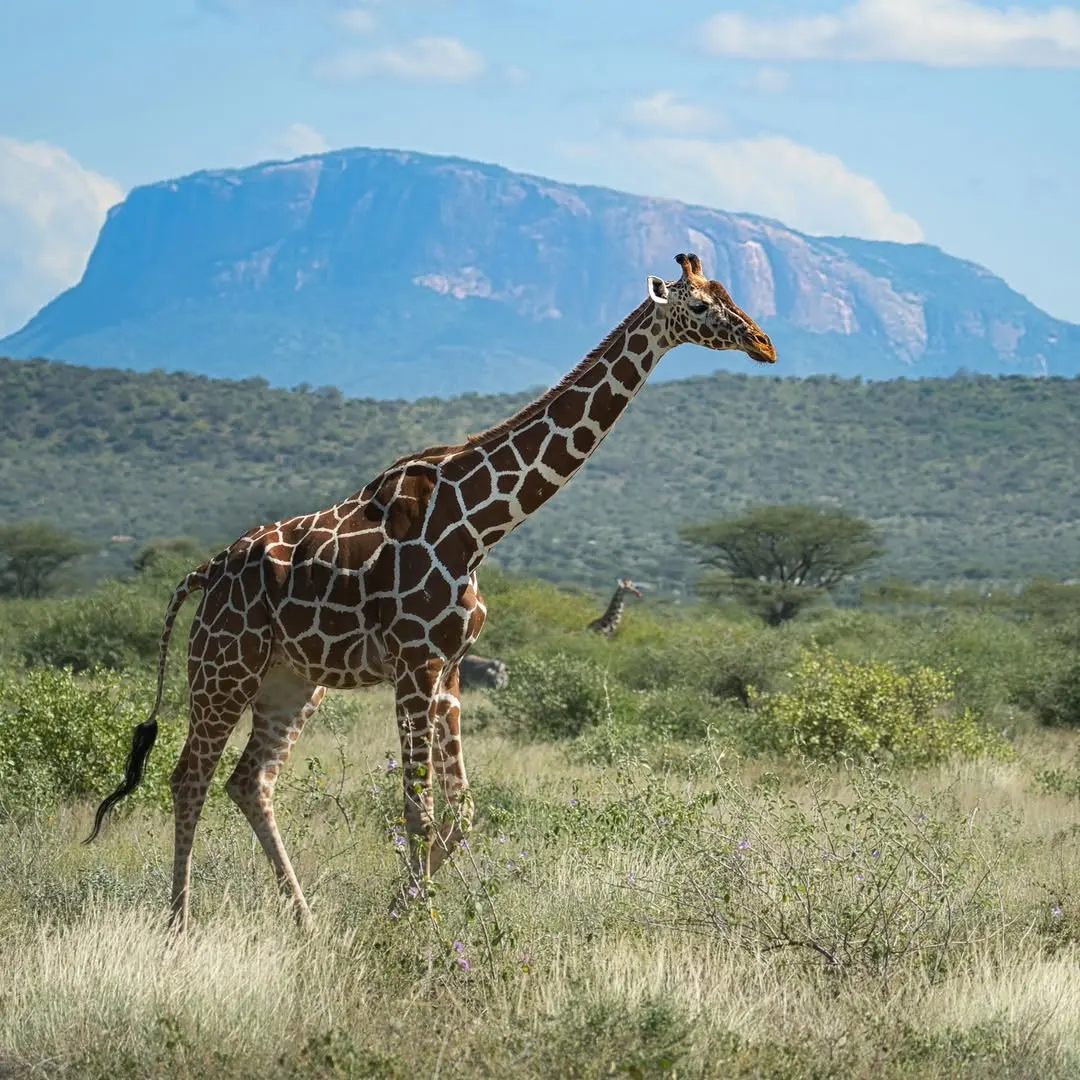
Meru National Park is one of Kenya’s most pristine, wild, and uncrowded safari destinations. Located east of Mount Kenya, this 870-square-kilometer sanctuary is characterized by vast open savannas, dramatic baobab trees, red-earth roads, and 13 permanent rivers and spring-fed streams lined with doum palms, making it a lush, emerald oasis within an arid landscape.
Why Visit Meru National Park?
Meru offers a rare, exclusive safari experience far removed from the tourist crowds. It holds a legendary place in conservation history as the wilderness where Joy and George Adamson raised and released Elsa the Lioness, immortalized in the world-famous book and movie Born Free. Today, Meru boasts thriving Big Five populations, incredible birdlife, and a state-of-the-art Rhino Sanctuary.
Best Time to Visit
- June to September & December to February (Dry Season): The absolute best time for wildlife viewing. As vegetation thins, animals gather in high concentrations along the 13 rivers, and park roads are dry and easily navigable.
- March to May (Long Rains): Heavy tropical rains make the park vibrantly green and lush. Wildlife disperses, but it is a paradise for photography and birdwatching.
- October to November (Short Rains): Brief afternoon showers with warm temperatures and low tourist numbers.
Wildlife & Natural Attractions
Meru boasts an exceptional diversity of wildlife, combining classic Big Five game with unique northern endemic species:
- The Big Five & Rhino Sanctuary: Home to lions, leopards, elephants, and buffalos. A highlight is the secure 84-square-kilometer fenced Meru Rhino Sanctuary, protecting large populations of both black and white rhinos.
- Northern Special Species: Spot rare northern Kenya species including the Grevy's zebra, reticulated giraffe, gerenuk (giraffe gazelle), Beisa oryx, and Somali ostrich.
- Abundant Birdlife: Over 400 recorded bird species, including the Pel’s fishing owl, Peter's Finfoot, Martial Eagle, and colorful kingfishers along the riverbanks.
- Historic Sites: Visit George Adamson’s original campsite and the memorial grave site of Elsa the Lioness.
Top Activities & Experiences
- Rhino Tracking Game Drives: Explore the dedicated Rhino Sanctuary for guaranteed close-up encounters with endangered black and white rhinos.
- Off-the-Beaten-Track Game Drives: Enjoy miles of wild tracks without seeing another safari vehicle.
- Elsa's Kopje Heritage Visit: Visit the historic Mughwango Hill for panoramic wilderness views and history lessons on Joy and George Adamson.
- River Fishing & Sundowners: Enjoy bush sundowners on rocky granite kopjes or catch-and-release fishing in the palm-lined rivers.
How to Get There
- By Air (Fastest & Most Convenient): Daily scheduled 1-hour flights depart from Nairobi (Wilson Airport) to Elsa's Kopje Airstrip or Mulika Airstrip inside the park.
- By Road: A 5 to 6-hour drive (approx. 350 km) from Nairobi via Nanyuki and Maua, or via the Embu-Meru highway. A 4x4 safari vehicle is required.
Where to Stay in Meru National Park
Accommodation in Meru ranges from world-class luxury lodges built into granite hills to comfortable eco-camps and self-catering park cottages:
- Luxury (5-Star & Boutique):
- Elsa’s Kopje (Elewana Collection): An award-winning luxury lodge built directly into the granite rocks of Mughwango Hill, offering unyielding 360-degree views over the Meru plains, private plunge pools, and open-fronted cottages.
- Offbeat Meru: An intimate, eco-friendly luxury tented camp located on the banks of the Bisanadi River, known for exceptional guiding and a relaxed, wilderness atmosphere.
- Mid-Range (4-Star & Tented Camps):
- Ikweta Safari Camp: A comfortable, eco-friendly tented camp located just 2 kilometers outside the Murera Gate, featuring spacious safari tents, a swimming pool, and personalized service.
- Meru Rhino River Camp: A stylish boutique tented camp situated on the edge of the park near the Kindani River, offering canvas suites with private wooden decks.
- Budget (3-Star, Self-Catering & Camping):
- KWS Murera & Bwatherongi Bandas: Affordable, self-catering wooden cottages managed by Kenya Wildlife Service inside the park, with access to a swimming pool.
- KWS Public & Special Campsites: Scenic wilderness campsites (such as Bwatherongi and Kampi ya Mbaa) ideal for adventurous self-drive campers.
Recommended Duration & Traveler Tips
- Ideal Stay: 2 to 3 nights (easily combined with Samburu National Reserve or Lewa Conservancy).
- Who It’s Best For: Experienced safari-goers, couples, photographers, and travelers seeking privacy and authentic wilderness away from crowds.
- Traveler Tips: Meru can get quite warm during the day; pack lightweight clothing, a wide-brimmed hat, insect repellent, and standard tropical malaria precautions.


