5-Day Kilimanjaro Marangu 'Coca-Cola' Route
Overview of 5-Day Kilimanjaro Marangu 'Coca-Cola' Route
The only route on Kilimanjaro offering hut accommodation. A direct but physically demanding 5-day ascent.
Highlights of this Tour
Itinerary and Where to Stay
Day 1: Marangu Gate to Mandara Hut
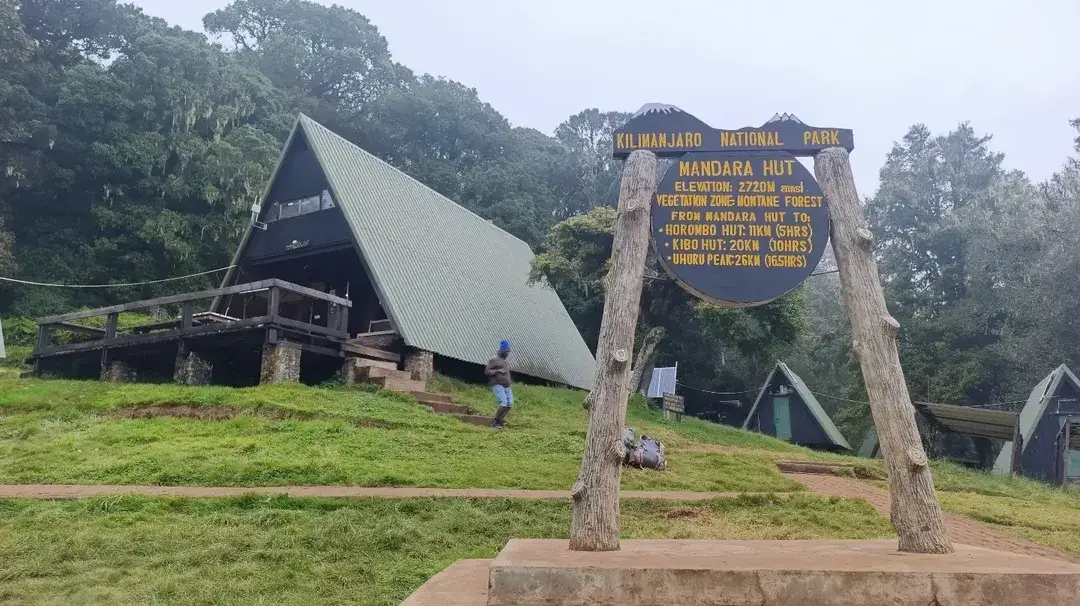
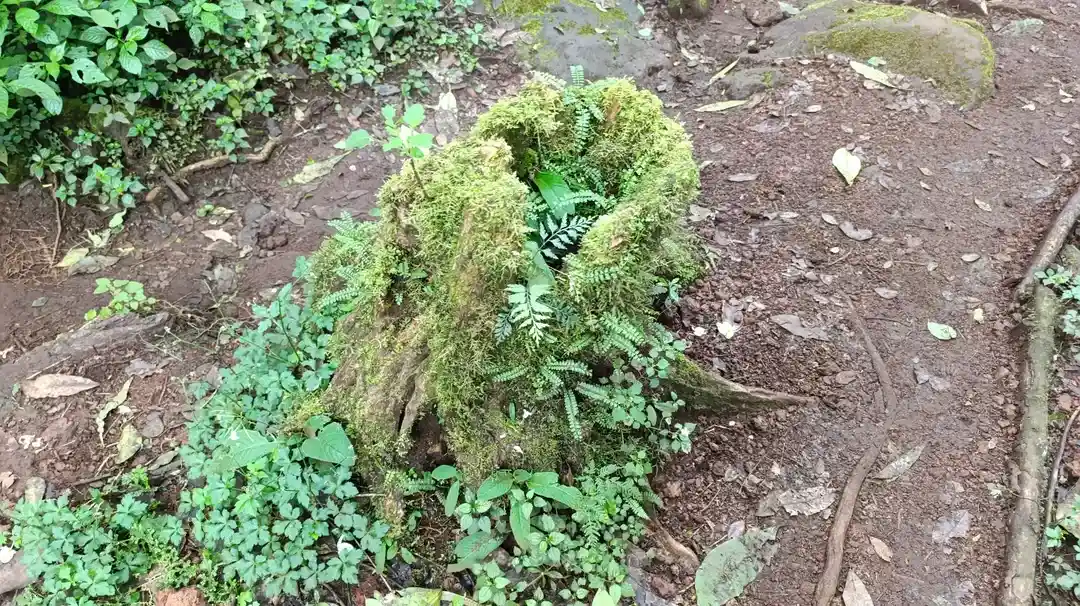
Your journey begins with a drive from Moshi or Arusha to the Marangu Gate, where you’ll register with the park authorities and meet your crew of guides and porters. The trek starts on a well-maintained trail that winds through a thick, humid rainforest. The air is heavy with the smell of damp earth and moss, and you’ll spend about four hours walking under a canopy of massive eucalyptus and cedar trees. It’s a good time to look for blue monkeys or the black-and-white colobus monkeys that live in the high branches. You’ll eventually reach Mandara Hut, located at the edge of the forest belt. After dropping your gear in your bunk, you can take a short walk to the nearby Maundi Crater for a view over the surrounding plains before returning to the communal dining hall for a hot dinner and your first night on the mountain
Meals Day 1: Lunch, Dinner
Destination: Mount Kilimanjaro
Day 2: Mandara to Horombo Hut
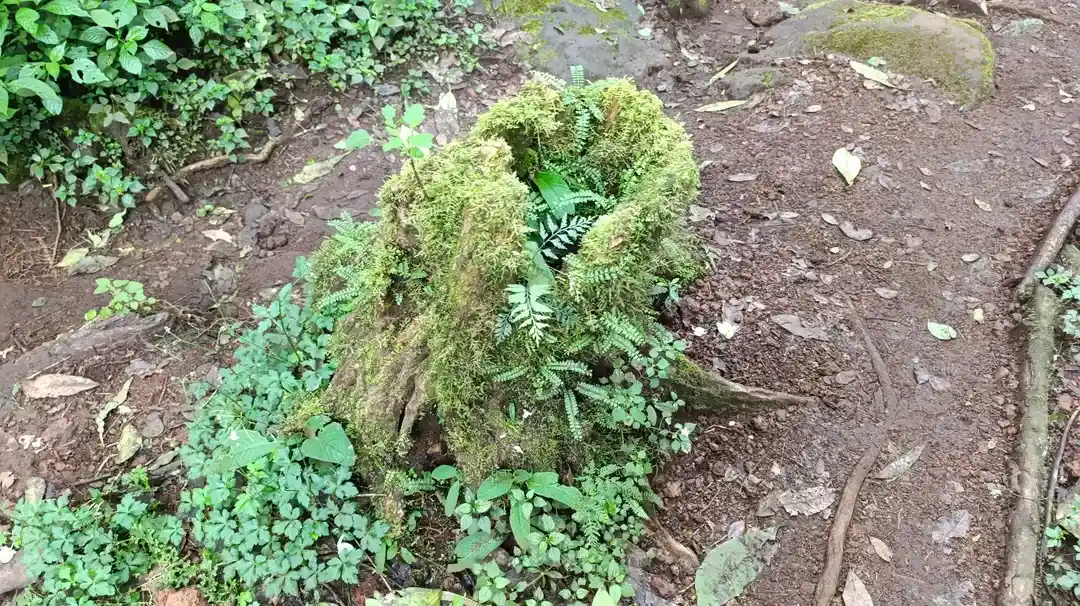
After breakfast, you’ll leave the last of the rainforest behind as the landscape opens up into the heather and moorland zone. The trees become shorter and are replaced by giant heathers and the unique lobelia plants that thrive in this thinner air. It’s a steady climb of about five or six hours, and you’ll start to get your first clear views of the jagged Mawenzi peak and the snow-capped summit of Kibo ahead. The trail is often dusty and can be quite windy as you move across the open ridges. You’ll reach Horombo Hut in the afternoon, which sits in a wide valley with views stretching across the plains below. This is a large camp where you’ll spend the night getting used to the altitude of 3,700 meters.
Meals Day 2: Breakfast, Lunch, Dinner
Destination: Mount Kilimanjaro
Day 3: Horombo to Kibo Hut
On the third day, the environment shifts again as you move into the alpine desert. The trail passes the "last water point" before crossing the vast, rocky plateau known as the Saddle, which sits between the peaks of Mawenzi and Kibo. It is a barren, lunar-like landscape where very little grows, and the air feels noticeably colder and thinner. The walk takes about five or six hours, and because there is no cover from the sun or wind, you’ll need to keep a slow, steady pace to save your energy. You’ll arrive at Kibo Hut, a stone building located at the base of the summit cone, in the early afternoon. You’ll have an early dinner and try to get some sleep, as the final push for the summit begins just a few hours later in the middle of the night.
Meals Day 3: Breakfast, Lunch, Dinner
Destination: Mount Kilimanjaro
Day 4: Summit Day & Horombo
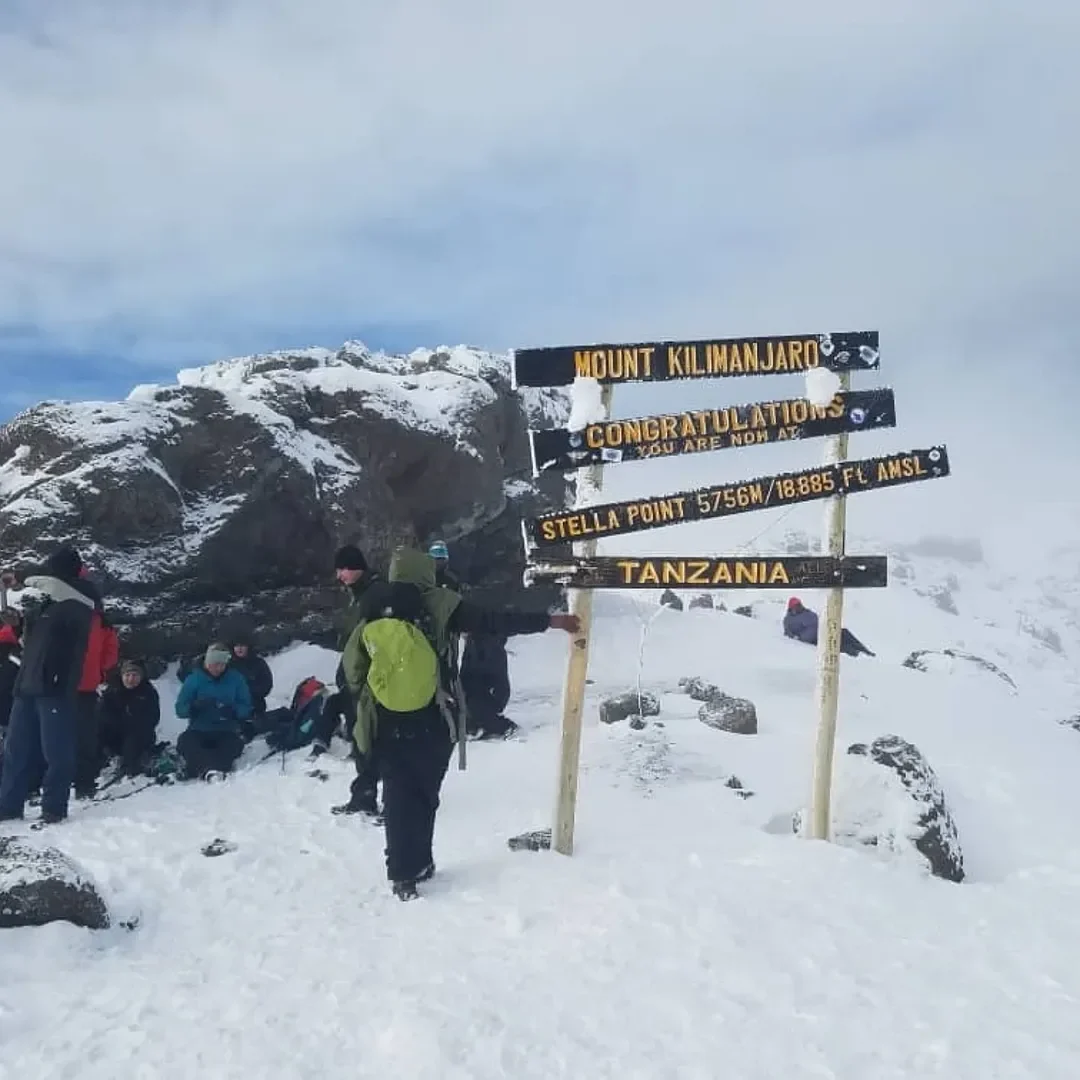
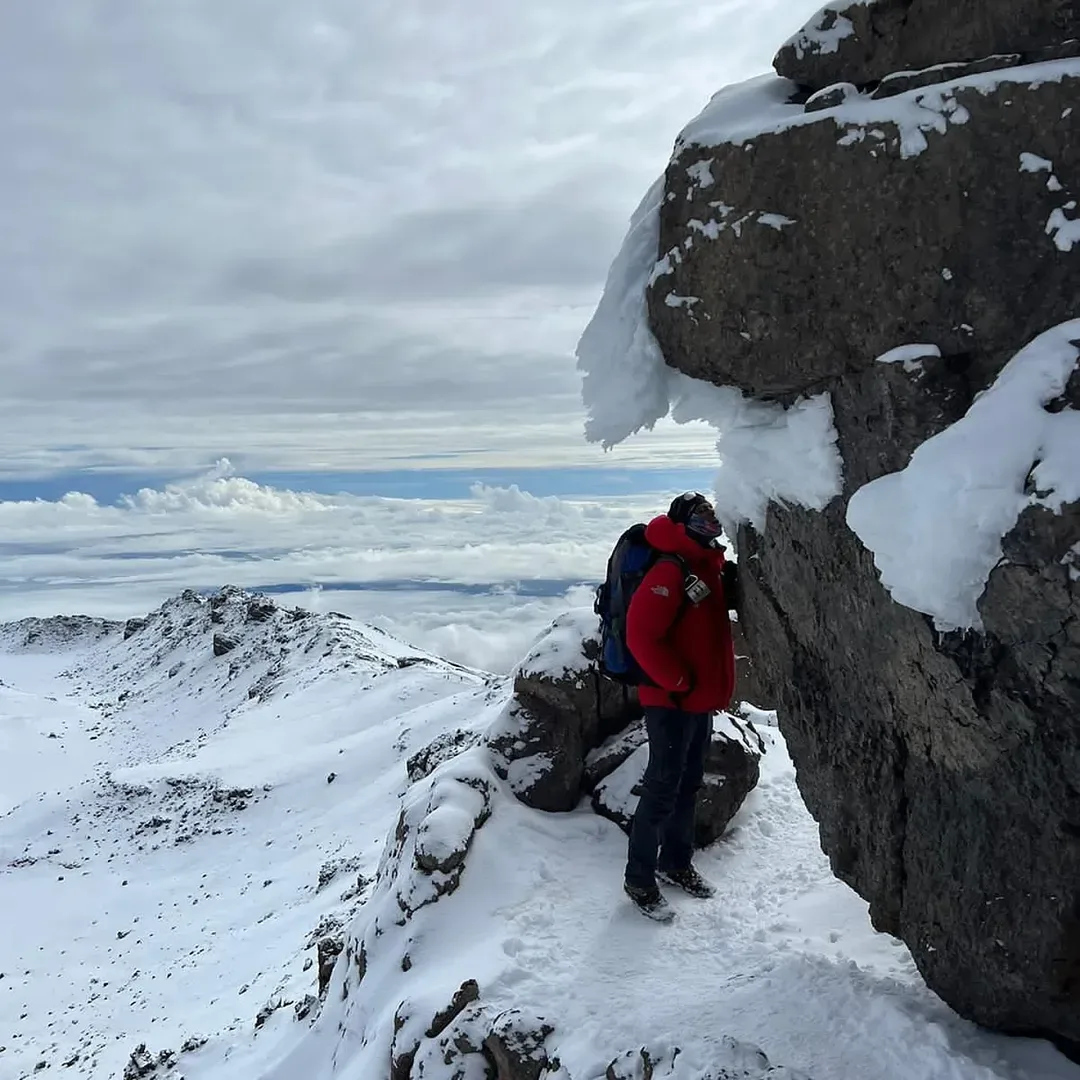
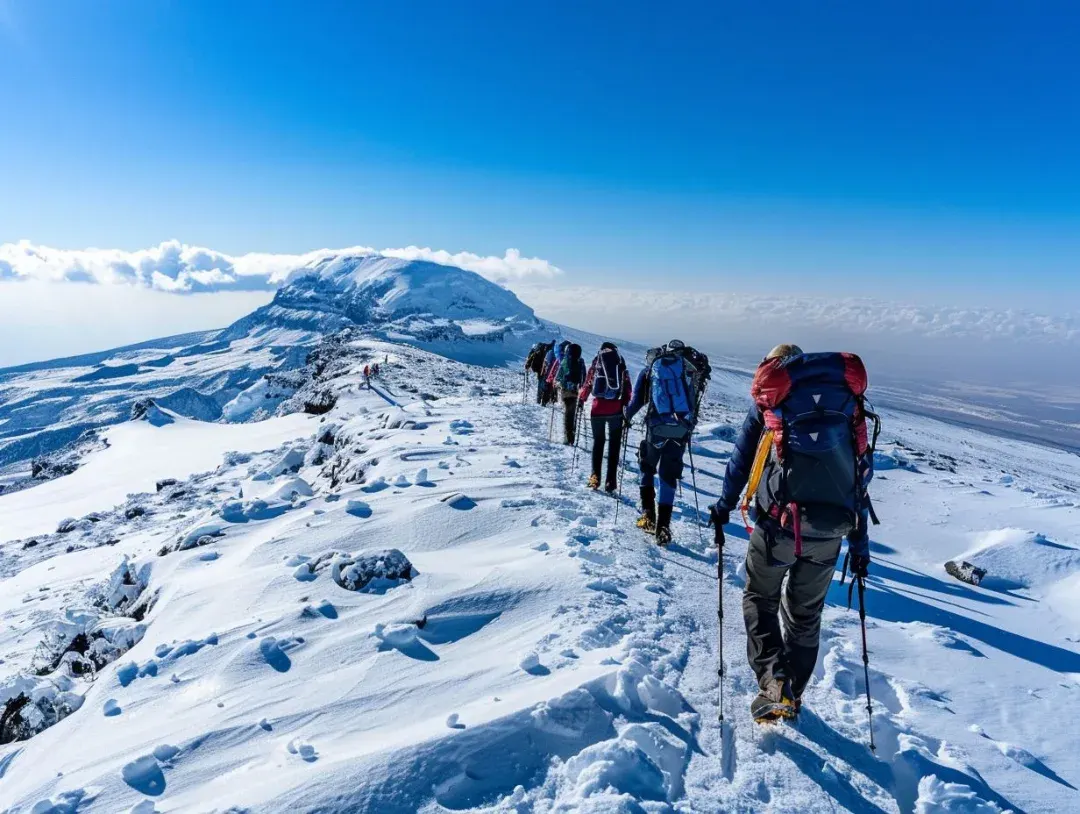
The climb to the summit starts around midnight while the ground is frozen and the air is at its coldest. Using headlamps, you’ll follow the switchbacks up a steep scree slope, moving slowly through the dark toward the crater rim. This is the most physically demanding part of the entire trip, and you’ll reach Gilman’s Point just as the sky begins to lighten. From there, it’s a final walk along the snowy rim to reach Uhuru Peak, the highest point in Africa. After taking some time at the top to see the sunrise over the glaciers, you’ll begin the long descent back down to Kibo Hut for a short rest and a warm meal. You’ll then continue the walk all the way back down to Horombo Hut, arriving in the late afternoon for a well-earned sleep after nearly fifteen hours on your feet.
Meals Day 4: Breakfast, Lunch, Dinner
Destination: Mount Kilimanjaro
Day 5: Descent to Gate
On the last day, the air feels thicker and warmer with every kilometer you descend. You’ll retrace your steps back through the moorlands and into the rainforest, following the same trail you climbed on the first day. It’s a long walk, but the downward incline makes it much faster, and you’ll reach the Marangu Gate by midday. After saying goodbye to your porters and guides and receiving your summit certificates, your vehicle will be waiting to take you back to Moshi or Arusha. You’ll have a final lunch with your team before heading back to your hotel for a hot shower and a chance to rest after the five-day journey to the roof of Africa.
Meals Day 5: Breakfast, Lunch
Destination: Mount Kilimanjaro
What's Included
- Tanzania park fees
- Hut fees
- Rescue fees
- Guide
- Porters
- All meals
- Transfers from Moshi.
What's Not Included
- Flights
- Tanzanian visa
- Tips
- Personal gear.
Places You will Visit
Book This Package
Quick Info
- Duration: 5 Days / 4 Nights
- Difficulty: Challenging
- Starts: Moshi/Arusha
- Ends: Moshi/Arusha
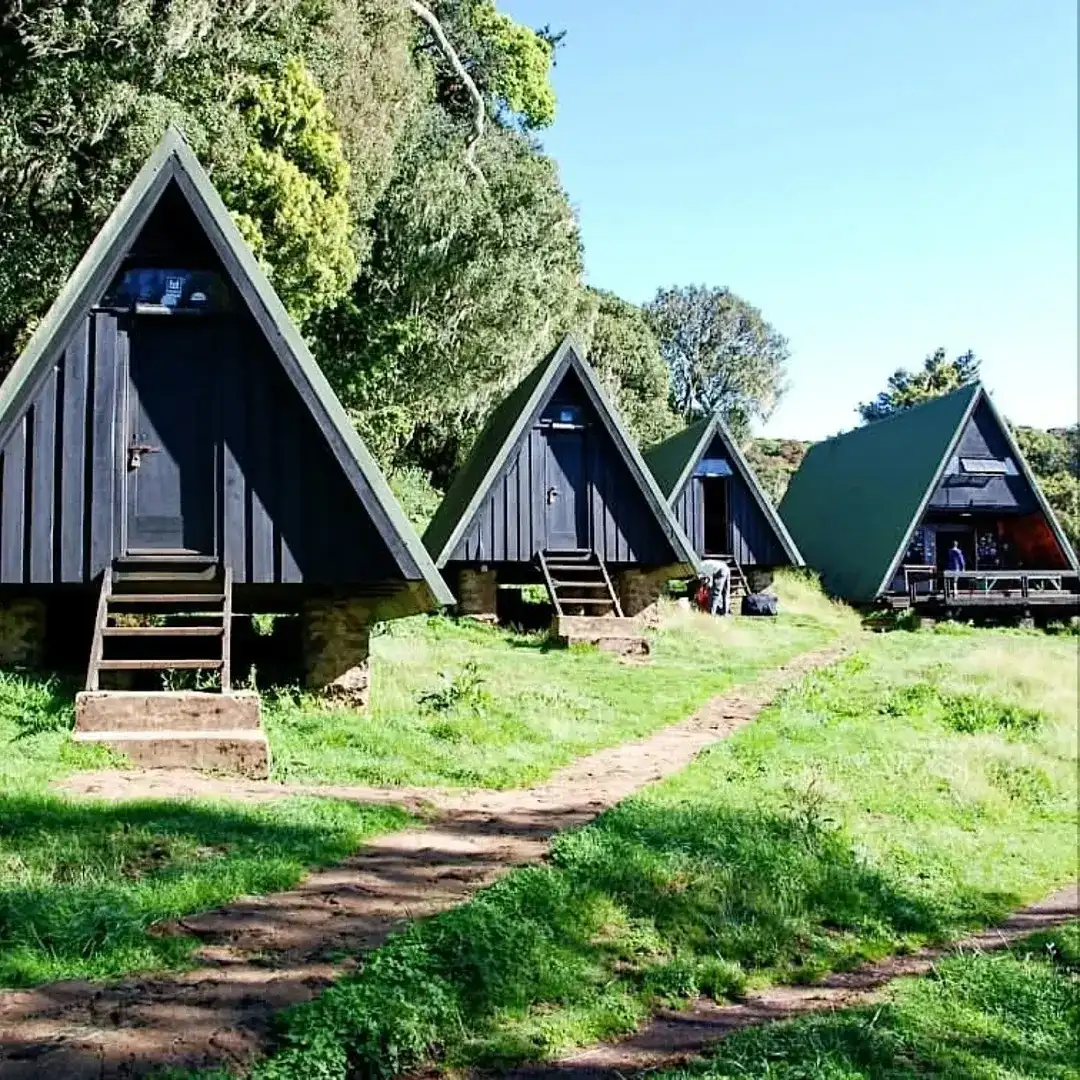
The Marangu Route is the oldest and most established path up Mount Kilimanjaro, famously known as the "Coca-Cola" route.This nickname comes from the fact that it was once the only trail where you could buy a soda at the mountain huts, but it also refers to the route being seen as a "soft drink" compared to the harder, more rugged camping routes like Machame. It is the only path that offers the comfort of sleeping in permanent A-frame wooden huts with bunk beds and mattresses, making it a good choice for those who prefer a solid roof over their heads rather than a tent. While the path itself is a gradual climb through beautiful forests and moorlands, the five-day version is a fast ascent that requires a high level of physical fitness and mental resolve, as you are moving toward the summit much quicker than on other routes.
Important Information for the 5-Day Trek
-
Acclimatization Challenge: The 5-day Marangu route is the shortest way to climb Kilimanjaro, which means the risk of altitude sickness is higher than on longer routes.[3] Most guides recommend the 6-day version, which adds an extra day at Horombo Hut to help your body adjust. On this 5-day trip, it is absolutely essential to walk very slowly ("pole pole") from the very first day.
-
Hut Accommodation: This is the only route where you sleep in communal huts. While this keeps you dry and out of the wind, the huts can be noisy and crowded. It is a good idea to bring earplugs and a warm sleeping bag, as the mattresses are basic and the huts are not heated.
-
Weather and Gear: You will move through four different climate zones. While the first day is humid and warm, the summit night is extremely cold with temperatures often well below freezing. You need high-quality thermal layers, a heavy down jacket, and warm gloves and socks.
-
Physical Preparation: Even though it is called the "easiest" route, the summit night involves a massive gain in altitude over very steep terrain. You should be in good cardiovascular shape and have spent time hiking with a weighted pack to prepare your legs for the long descent on the fourth day.
-
Water and Food: You’ll be provided with three hot meals a day in the dining halls. It is important to drink at least four liters of water every day to help your body manage the altitude, even if you don't feel thirsty. Your crew will provide boiled or filtered water for your bottles each morning.